
The honest version of the question
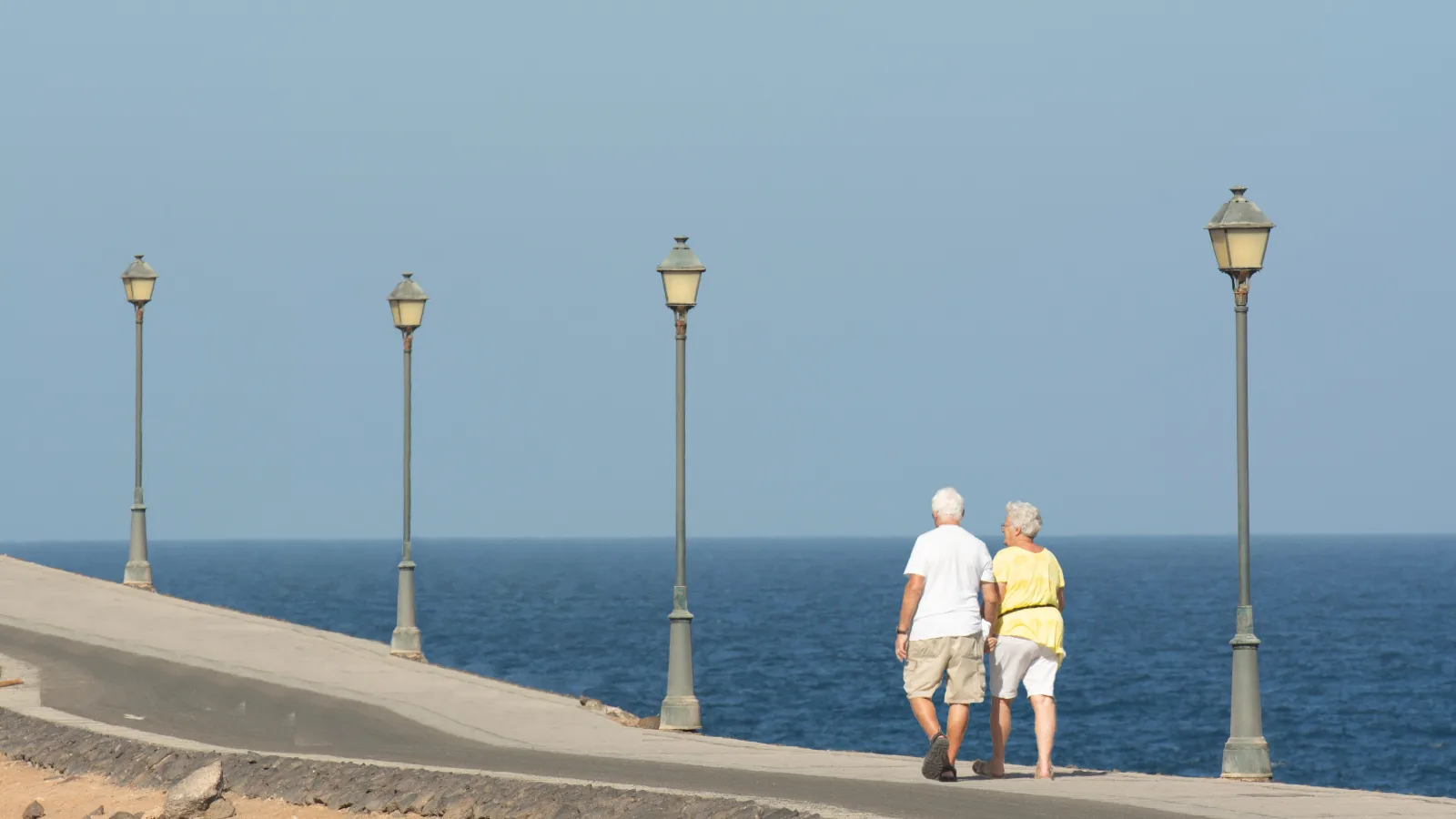
People rarely ask us whether they can afford to retire here. They ask whether it is a good idea, which is a different question and a better one.
The financial answer is usually yes, and comfortably so, for a couple who own their home outright. Local produce, eating out, fuel and municipal charges all cost noticeably less than in Germany. That part is not in dispute and it is why the island keeps attracting people in their sixties.
The answer that matters is whether four separate things line up: the pension, the healthcare, the permit and the property. Get all four right and this is one of the most comfortable retirements in the Mediterranean. Get one wrong and it becomes an expensive lesson at exactly the age when expensive lessons are least welcome.
One: where the pension actually lands
A German pension does not stop because you moved. What changes is the machinery around it, and the machinery is worth understanding before you go rather than after.
Sort out, in writing, with the Deutsche Rentenversicherung and with your bank:
- Whether your pension continues to be paid to a German account or to an account abroad, and what each option costs you in fees
- What proof of life procedure applies once you live outside Germany, and how often
- Which address the authorities have on file, and who opens post sent there
- How you will move money to the island, and what the transfer and conversion actually cost each month
That last point is not trivial. A conversion cost that looks small on one transfer is a real annual number when it repeats twelve times a year for twenty years. Compare two or three routes before you settle into a habit.
Tax residence deserves its own conversation with a German tax adviser before you move, not after. Where a pension is taxable depends on the type of pension and on the agreements in force, and it is not something to work out from a forum post. Ask the question early, get the answer in writing, and keep it.
Every retirement here that went wrong went wrong for a reason someone could have named in advance. None of the reasons was the weather.
Two: healthcare, the one that changes the decision
This is where the retirement plans we see either firm up or fall apart, and it is the one people research last.
North Cyprus has state hospitals and a well established private sector, with private clinics in Kyrenia, Nicosia and Famagusta that many residents use routinely. Costs for consultations, imaging and dentistry are generally well below German private rates, which surprises people pleasantly.
The planning question is coverage. Establish before you commit:
- Whether your German cover follows you at all once you are resident here, and in what form
- What private international or local health insurance costs at your age, and what it excludes
- How pre existing conditions are treated by any policy you are considering
- What the plan is for something serious: treatment here, or a flight home, and who pays for the flight
Get quotes at your actual age rather than assuming. Premiums rise with age in a way that is easy to underestimate at sixty two and impossible to ignore at seventy five. Build the real number into the monthly budget from the start.
Three: the permit and the paperwork rhythm
Living here long term means holding the appropriate residence permission and renewing it on schedule. Requirements and fees are set by the authorities and they do change, so treat anything you read, here included, as a prompt to confirm the current position rather than as the final word.
What is stable is the shape of it. Expect to show identity documents, evidence of somewhere to live, evidence that you can support yourself, and a health check. Expect a renewal cycle rather than a one time event, and build the renewal into your calendar the way you would a car inspection.
Owning a property here supports an application in practice, because it answers the accommodation question cleanly. It is not a shortcut and nobody should sell it to you as one. Anyone who tells you a purchase guarantees residency is telling you something they cannot know.
The practical advice is unglamorous: use a local lawyer for the first application, keep every document in one folder, and diarise the renewal six weeks before it is due.
Four: the property that still works at eighty
This is the part we can help with directly, and the part buyers most often get wrong, because a viewing trip at sixty three does not feel like a rehearsal for eighty three.
| Looks appealing at 63 | Behaves differently at 80 |
|---|---|
| Hillside villa with a view | A steep drive, and a car you may not always want to be driving |
| Third floor apartment, no lift | Groceries, luggage and a knee that has opinions |
| Large garden | Enjoyable for ten years, then a standing monthly cost |
| Quiet village, twenty minutes from anywhere | Twenty minutes from the clinic, the pharmacy and company |
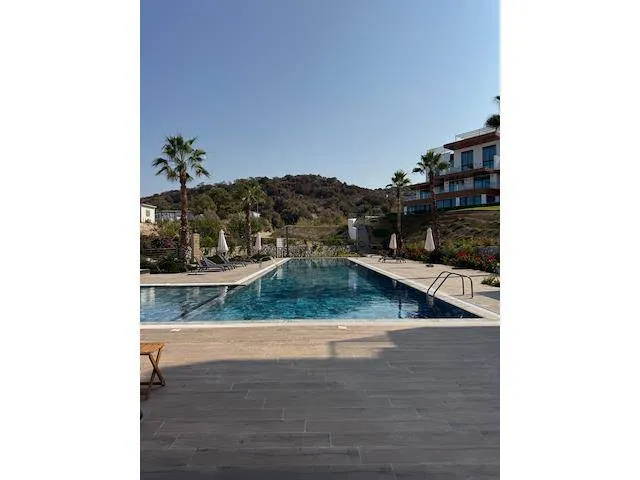
| Private pool | Maintenance, chemicals and a cover you rarely take off |
None of these is a reason to avoid those properties. Plenty of people buy the hillside villa, love it and would do it again. The point is to choose deliberately rather than to discover the trade off later.
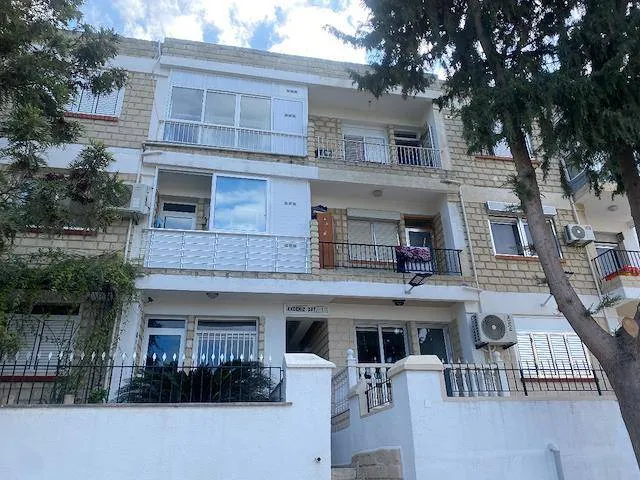
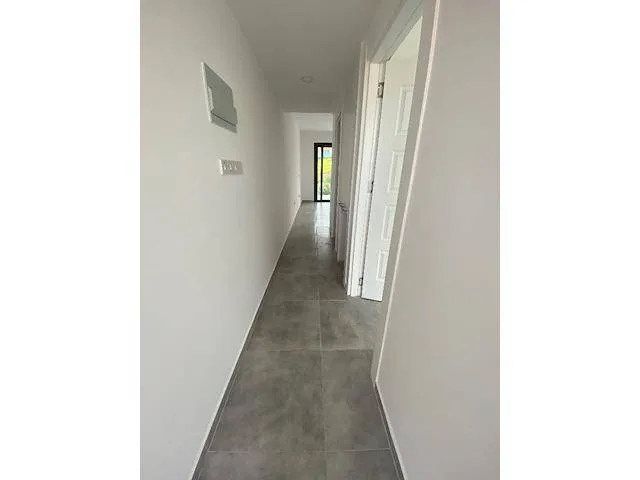
The retirees who settle best usually pick walkable over spectacular: a lift or a ground floor, a pharmacy and a supermarket within a short walk, a clinic within a comfortable drive, and neighbours who are there year round rather than a complex that empties in October. Winter loneliness on a holiday development is a real and underdiscussed problem.
Rent one winter before you sell anything
If we could give one piece of advice to every retiring buyer, it would be this: spend a January and a February here before you commit.
Summer sells the island to everyone. Winter tells you the truth. It is mild and pleasant by German standards, but it is also wetter and greyer than the brochures, some restaurants close, some complexes empty out, and heating an under insulated villa is a genuine cost. People who have lived through one winter make much better property decisions than people who have only visited in July.
Rent for a season, walk the neighbourhoods you are considering on a Tuesday in February, and see how the shortlist changes. It usually does.
When you are ready, tell us it is a retirement purchase and what your realistic budget is once healthcare is in it. We will steer you towards single level layouts, lifts, walkable locations and year round communities, and we will tell you honestly when a property you like will not age well with you. That is a more useful conversation than a longer list of sea views.