
Guide
The Lifestyle Guide
An honest picture of daily life in North Cyprus, covering the climate, the food, the people and what it all costs.
Most property websites describe life in North Cyprus in the language of a holiday brochure. That does the place a disservice, because the reality is more interesting: a small, unhurried Mediterranean society where expats and Cypriots genuinely mix, where the mountains meet the sea within a few kilometres, and where a comfortable life costs noticeably less than in Western Europe.
This guide is written from the everyday experience of our team and our clients, the ones who stayed. It covers the seasons as they actually feel, where the good food is, how healthcare and schools work, and how a monthly budget behaves here. Where something is a genuine drawback, we say so; deciding to live somewhere deserves the full picture.
6 chapters · An evening well spent
Climate and the shape of the year
Cyprus records more than three hundred days of sunshine in a typical year, but the calendar has more texture than that number suggests. Spring arrives in February with almond blossom and green hills; April and May are near perfect, warm without heat. June through September is high summer, and July and August seriously so, with daytime temperatures well into the thirties, when life shifts to mornings, evenings and the water.
October and November are a second spring, warm seas and soft light, and many residents call them the best months of all. Winter, December to February, is mild and mostly bright, with daytime highs in the mid to high teens, but villas are built for summer, so decent heating and insulation matter more than newcomers expect. Rain, when it comes, arrives in short dramatic bursts and the island turns green almost overnight.
Visit in the off season: Anyone can love the coast in June. Spend a week here in January before you commit, and you will know whether the quiet winter suits you.
Food, markets and eating out
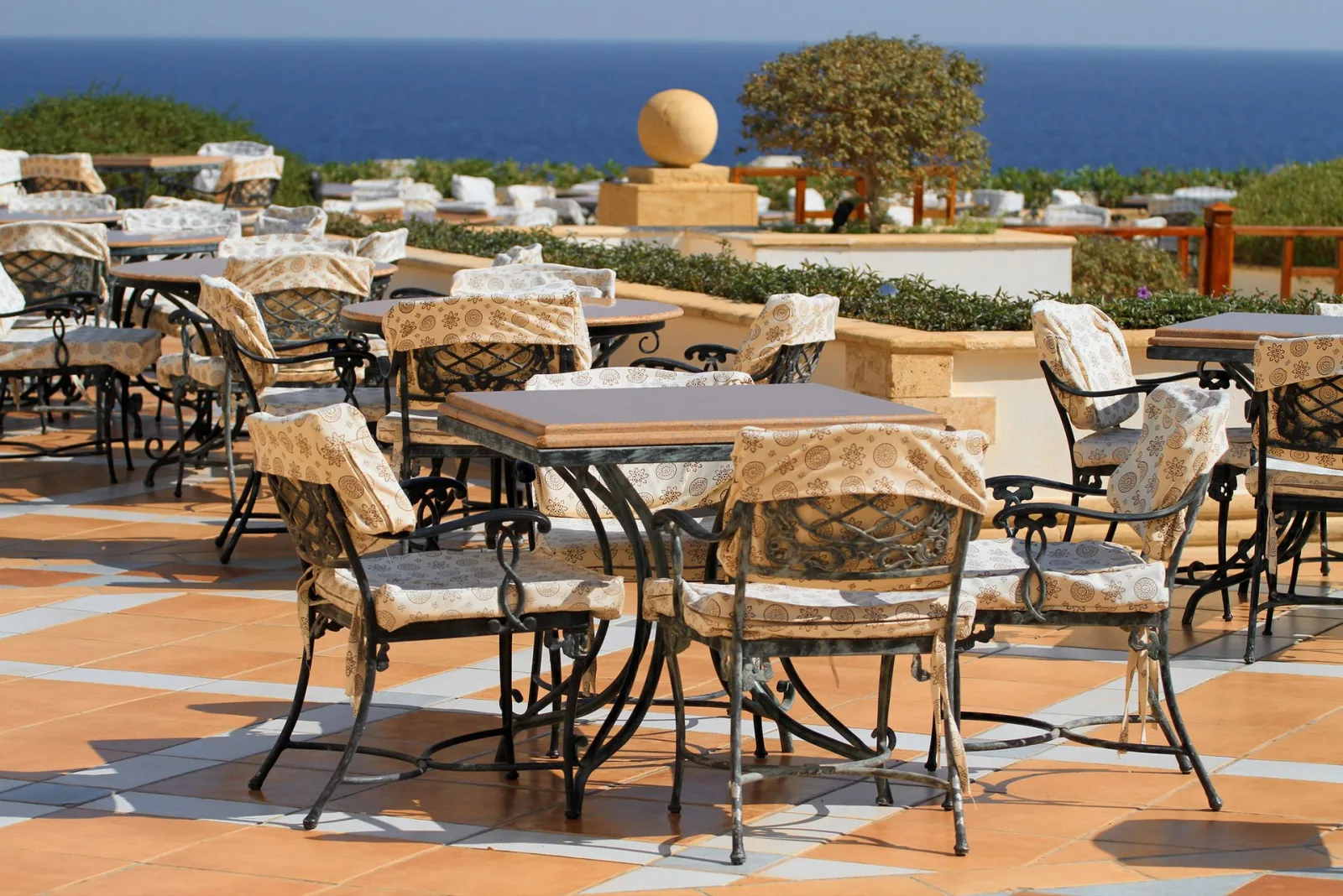
The food culture is Cypriot at heart: long lunches, charcoal, lemon on everything. A full kebab meal in a village restaurant costs a fraction of what the same evening would in Western Europe, and a meze evening, where dishes simply keep arriving until you surrender, is the island’s best value feast. The fish restaurants along the coast east of Kyrenia are worth the drive, and the best of them do not have websites.
The weekly markets are where daily life happens. Every town has one, with local citrus, greens, olives, halloumi from village dairies and honest prices; a week of fruit and vegetables for two costs remarkably little. Supermarkets carry most European brands at a premium, and long term residents learn quickly: eat what the island grows and the budget takes care of itself.
Community, language and the expat scene
The international community here is large enough to be useful and small enough to be personal. British residents have deep roots, and the German, Polish, Scandinavian and Russian speaking communities have grown steadily. Clubs cover everything from hiking and sailing to bridge, gardening and animal welfare, and a newcomer who says yes to invitations has a full calendar within a month.
Cypriot hospitality is not a marketing line; neighbours will bring lemons, ask about your family and remember the answer. English is spoken almost everywhere, which makes settling easy and learning Turkish optional. Even so, market stall Turkish changes how the island treats you, and the free municipal language courses are as much a social scene as a classroom.
Before you move on
- Join one club or class in your first month
- Learn greetings and market numbers in Turkish early
- Say yes to neighbourhood invitations, especially the second one
- Find your local weekly market and make it a habit
Healthcare in practice
Day to day healthcare is one of the island’s quiet strengths. Private clinics and hospitals in Kyrenia, Nicosia and Famagusta are modern and fast: a specialist consultation costs far less than in Western Europe, happens within days rather than months, and many doctors trained in the UK, Germany or Turkey and consult in English. Pharmacies are excellent and pharmacists genuinely knowledgeable.
For serious or chronic conditions, residents rely on private health insurance, priced well below Western European levels and best arranged before the move. The major hospitals handle most procedures locally, with complex specialisms a short flight away in Turkey. Dentistry deserves its own mention: the standard is high and the prices low enough that visitors schedule treatment around their holidays.
Insure before you need it: Arrange health cover before you relocate rather than after. Insurers here are flexible, but pre existing conditions are handled far better when declared from the start.
Schools and education
Families relocating with children have real options. Several private international schools around Kyrenia and Famagusta teach in English to the British curriculum through to GCSE and A level, with fees at a fraction of international school levels elsewhere in Europe. Classes are small and the schools are used to absorbing children mid year from abroad.
The island also has a striking number of universities for its size, teaching largely in English, which shapes the whole place: young, international student populations in Famagusta, Nicosia and Kyrenia, and a steady long term rental market alongside them. For families with teenagers, the practical path many follow is British curriculum schooling here and university back in Europe or the UK, and the schools prepare students for exactly that.
What daily life costs
A couple owning their home outright lives comfortably here on a budget that would feel tight in Germany or the UK. Local produce, eating out and fuel all cost noticeably less than in Western Europe, water and municipal charges are modest, and summer air conditioning is the main variable in the utility bills. Eating out weekly barely dents the budget.
The honest cost caveats: imported goods, cars and electronics run at or above European prices, and the lira economy means some prices move about, though residents holding euros or pounds are largely insulated. Communal sites carry monthly maintenance fees that vary with the facilities. Overall, most Northern European arrivals find their money goes noticeably further than it did at home.
A working benchmark: Clients who track their spending in the first year consistently report living costs well below what they paid in Germany or the UK, with eating out the category that surprises them most.
Asked often
Questions this guide raises
Do I need to speak Turkish to live in North Cyprus?
Is North Cyprus safe?
What is winter really like?
Can I keep pets, or bring mine with me?
When reading is done
Talk it through with a person.
A guide can carry you a long way; the last stretch is a conversation. Twenty minutes with our team, no obligations, and honest answers to whatever the chapters left open.
Reach Ordently directly
Pick whichever suits you. Both reach the same small team in Germany and North Cyprus.