


Six Words Before the First Invoice
In our research files there is a page we keep coming back to. A web designer who moved from Leipzig to Alsancak wrote down, a year after arriving, the six words she wished someone had explained to her on day one. Not rates, not forms, just the words. She told us that once she understood the vocabulary, every appointment became shorter and every decision became smaller.
This article rebuilds her list in the order a newcomer actually meets each term. One thing you will not find in most articles on this subject: the first professional a self-employed arrival hires here is usually not a lawyer but an accountant, and the most useful thing to bring to that first meeting is your last German tax return. Rules in this field change and they differ from person to person, so nothing below is stated as an outcome. Every entry ends the same way, with the exact question to ask and the person to put it to.
Residence Permit: The Right to Stay, Not the Right to Work
The residence permit, in German the Aufenthaltserlaubnis and locally the ikamet izni, is the permission to live on the island for a defined period. What it is not, and this is the mistake we see most often, is a permission to earn. Holding a permit that lets you stay does not by itself give you the right to take local employment or to trade with local customers. Many arrivals assume that living permission and working permission travel together, as they broadly do inside the EU. Here they are separate documents answered by separate offices.
A property purchase can support a residence application, which is why buyers meet this term first, but the permission attached to it is about staying, not earning.
The question to ask: which permit category fits my situation, and does it allow any form of work at all? Who to ask: the immigration authority, in practice through a local lawyer who handles applications weekly.
A freelancer's move rests on six words, and every one of them should end in a question to a professional, not a guess.
Work and Business Permissions: Three Conversations, Not One
Under this one term hide three different conversations, and mixing them up is where planning goes wrong. The first is remote work for foreign clients: you sit on the island, your customers and your income sit abroad. The second is local trading: selling services or goods to people and companies here. The third is employing others, even one part-time assistant. Each of these can require its own permission, its own registration and its own paperwork, and the answer for one says nothing about the other two.
Resist the urge to ask a general question such as whether you may work here. Describe your actual activity precisely, because the answer follows the activity, not the job title.
The question to ask: here is exactly what I do, who pays me and from where; which of these activities needs a permission of its own? Who to ask: a local lawyer, with the answer cross-checked by your accountant.
Muhasebeci: The First Local Professional You Hire
The muhasebeci is the local accountant, and for a self-employed arrival this is the first local professional worth hiring, before any structure is chosen and before any form is filed. A good one does more than bookkeeping: they map which registrations apply to you, in which order, and what deadlines follow. Choose one who already works with foreign clients and can correspond in English or German.
Bring to the first meeting: your last German tax return, a list of your clients grouped by country, a rough monthly income picture in EUR, your planned moving date, and a note on whether a partner will also work. With those five things on the table, a first meeting produces a sequence rather than a shrug.
The question to ask: based on these papers, what must I register, by when, and what records do you need from me every month? Who to ask: the muhasebeci directly; how clearly they answer is itself part of the hiring decision.
Company Formats: An Outline, Not a Recommendation
Local company forms exist, and forming one is a genuine option rather than an exotic move. But every company format carries accounting duties, filings and running costs of its own, and those duties arrive whether or not the company earns anything in a given month. For one freelancer a company simplifies life; for another it adds a second layer of administration on top of a business that was already simple. We deliberately name no thresholds and no rates here, because they change and they differ by situation.
The question to ask: would a company make my specific situation simpler or heavier, and exactly what duties would it bring in the first year? Who to ask: the muhasebeci together with a local lawyer, ideally in the same conversation so the tax view and the legal view meet.
Tax Residence: The 183 Day Question
The idea of 183 days is the most repeated number in every expat forum, and it is best treated as a question rather than a rule. Where you are tax resident depends on more than counted days: remaining ties to Germany, a home kept there, family, the pattern of your income. And leaving Germany raises its own questions that only a German adviser should answer, from deregistration to how German rules treat income you continue to earn while abroad, to how the two tax systems interact in your specific case.
The order matters. Have this conversation before you deregister in Germany, not after, because some questions are much easier to answer while you still have choices.
The question to ask: if I move in a given month, where am I tax resident this year and next, and what exactly does my departure trigger in Germany? Who to ask: a German Steuerberater with experience of clients leaving the country, alongside the muhasebeci for the island side.
Invoicing and Getting Paid: Where the Money Lands
The quiet, practical end of the list. You will need an answer to three small questions: which account your clients pay into, what your invoices need to show, and how you keep records. Some freelancers keep an existing EU account for client payments and open a local account for daily life; others centralise everything locally. Neither is automatically right, and banks differ in what they ask of new foreign customers, so this is a conversation, not a form.
Whatever the setup, keep every invoice and every statement, digitally and in duplicate. Your muhasebeci and your German adviser may both ask for the same records for entirely different reasons, and the freelancers who struggle are rarely the ones who earned wrongly but the ones who cannot show what they earned.
The question to ask: where should client money land, and what does a clean monthly record look like from your side? Who to ask: the muhasebeci for the record keeping, your bank for the account itself.
Your Glossary Becomes a Plan
Now the glossary earns its keep. Write yourself one paragraph, in plain words: I will live here on a residence permit of category X. My work is remote, for clients in Germany and Austria, and my lawyer has confirmed what that activity requires. My accountant is Y, we meet monthly, and we decided against a company for year one. My German Steuerberater has reviewed my departure and my tax residence for this year and next. Clients pay in EUR into account Z, and every record is stored twice. Every blank you cannot fill yet is not a worry; it is simply your next appointment.
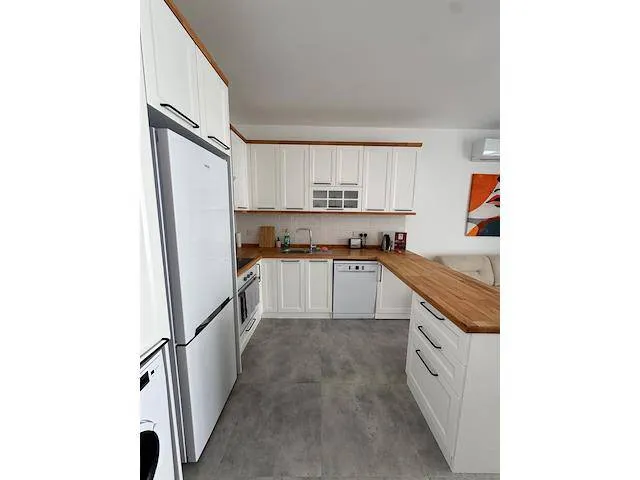
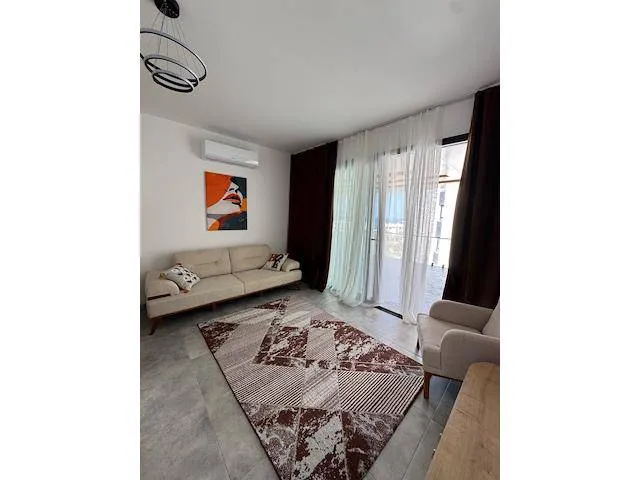
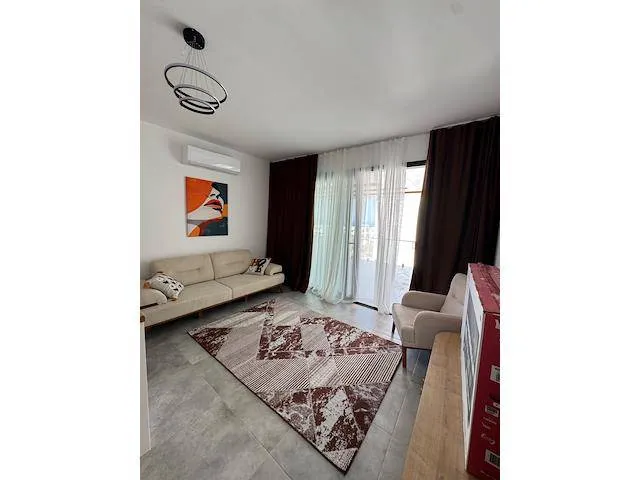
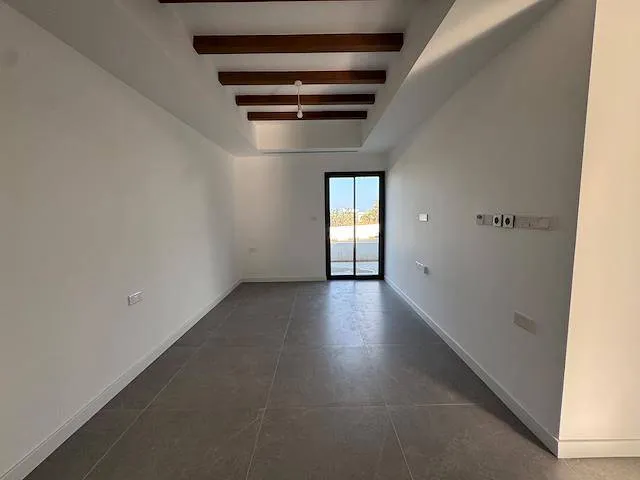
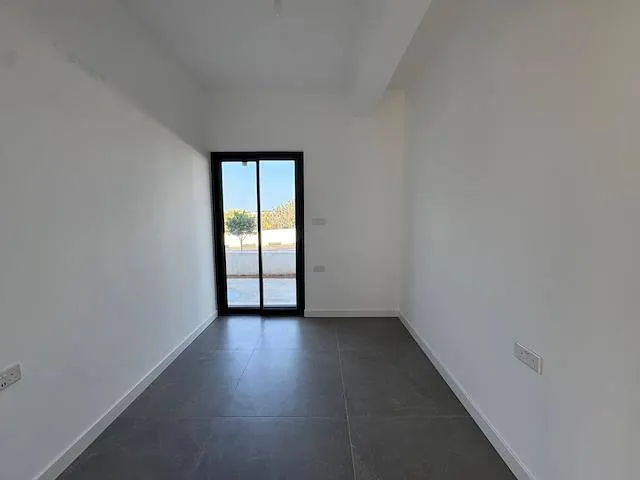
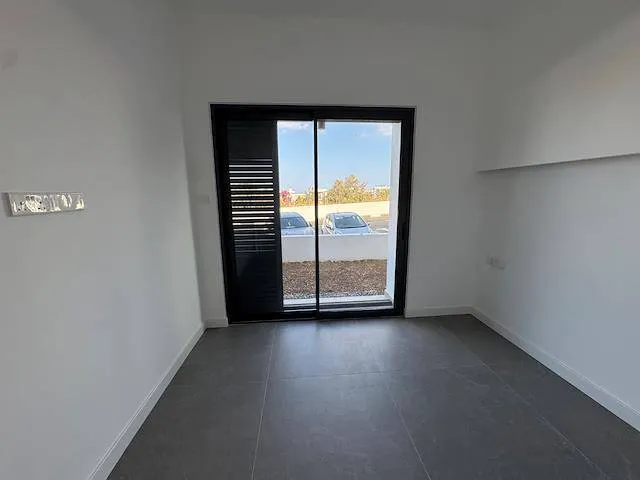
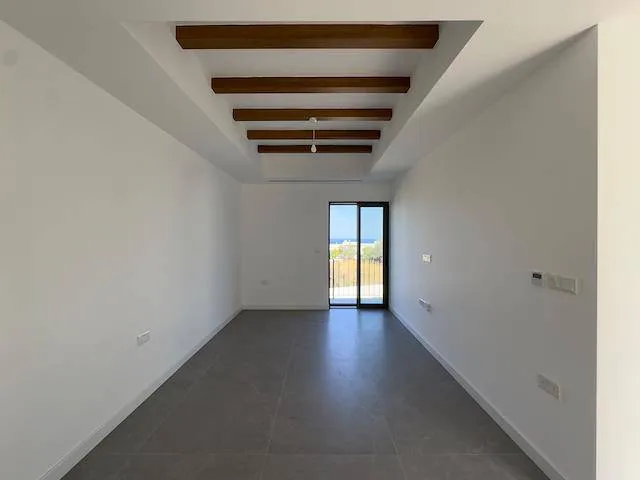
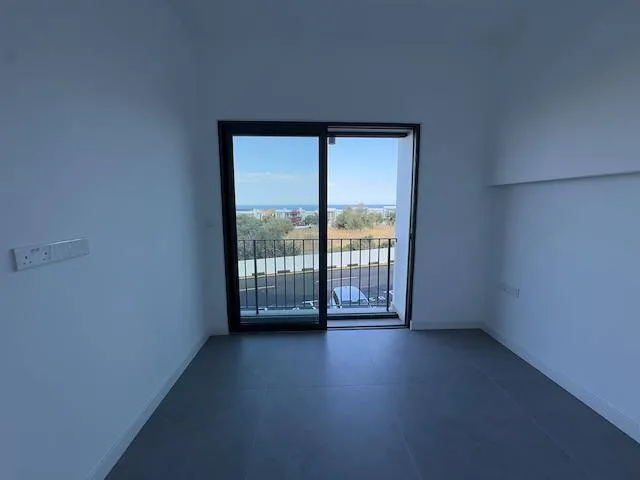
One line of that plan belongs to us. Working for yourself only works in a home where work is possible, so put a quiet workroom and reliable internet on the property shortlist alongside the sea view. Browse our apartment listings with a spare room that can close its door on the working day, and when a home interests you, ask our team about the internet options at that specific address. It is a question we answer often, and gladly.