


Two owners compare Januaries
At a long lunch in January, two owners compare notes. The first has nothing due until spring and is smug about it. The second is juggling a residence permit appointment, a car inspection and an insurance renewal in the same fortnight, and suspects the island of bureaucratic cruelty. Neither is right about the system. They simply arrived in different months, and the system remembers.
This is the single most useful thing to understand about paperwork here: almost nothing important runs on the calendar year. Renewals anchor to your personal dates, the day your permit was issued, the day the car was registered, the day the policy started. Your paperwork year has a shape, but it is your shape. Map it once and the whole thing shrinks to a handful of predictable appointments. Fail to map it and every deadline arrives as a surprise, usually in the same crowded month.
The anniversary cluster: permits and passports
For owners who live here, the residence permit is the spine of the paperwork year. Renewal comes around annually for most people in the early years, anchored to the issue date, with the application ideally started well before expiry rather than in its final week. The requirements and fees are updated from time to time, so check the current list when your window opens rather than reusing last year's folder, and expect the process to want proof of address, means and health cover in some form.
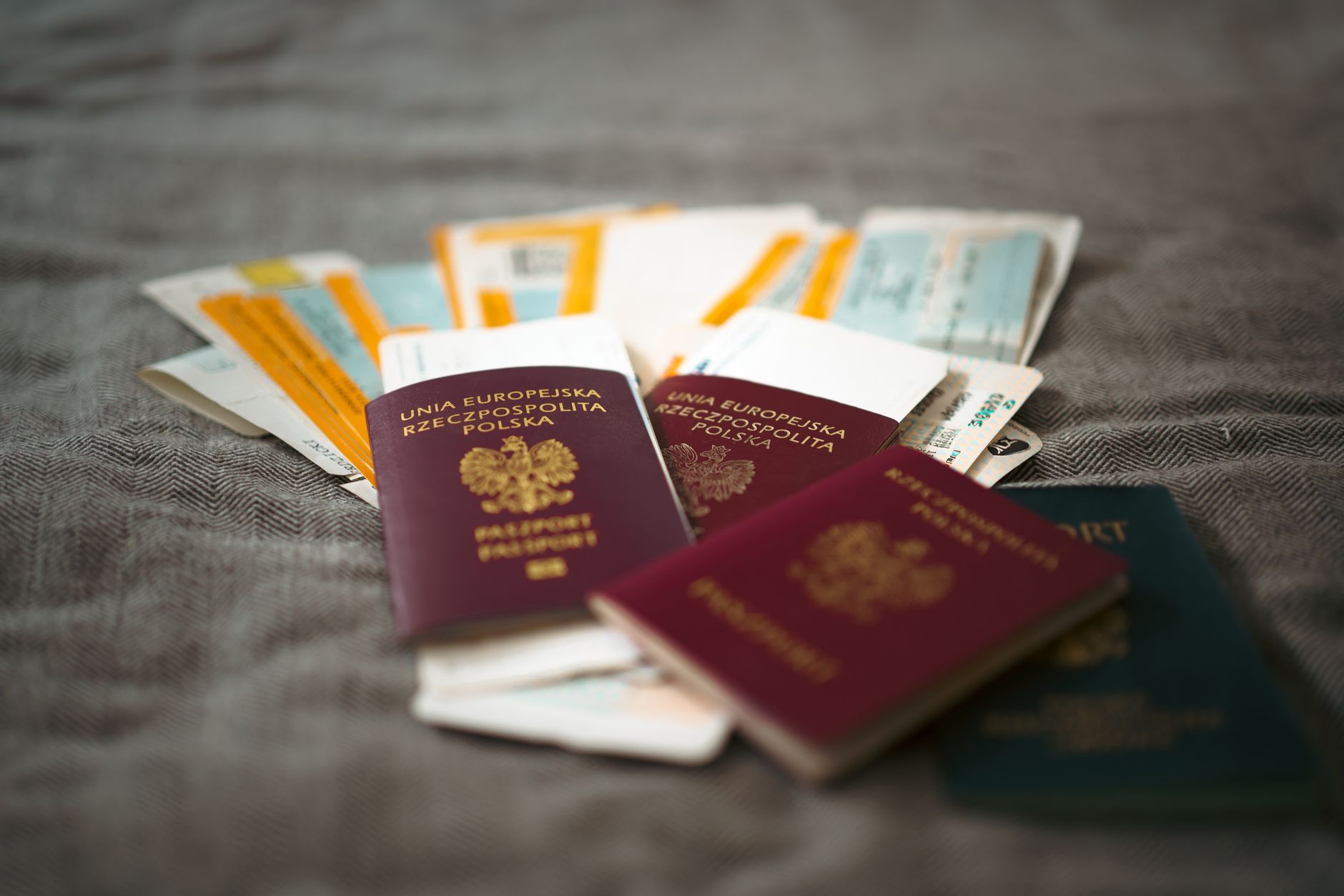
Two habits take the stress out of it. First, check your passport the same day you diarise the permit: renewals want validity ahead of them, and a passport that expires mid-application turns one appointment into three. Second, note that your renewal lands at your arrival anniversary. People who arrive in summer renew in summer, alongside everyone else who arrived in summer, in the offices' busiest season. You cannot move your anniversary, but knowing it explains the queue, and booking early beats it.
Your paperwork year does not start in January. It starts the day you arrived, and every renewal remembers that date better than you will.
The car's own year
The car runs its own annual cycle, and it does not consult yours. Road tax renews yearly. The roadworthiness inspection is an annual appointment for most private cars. The insurance policy renews on its own start date. None of these is difficult, each is a short errand, but they are three separate dates, and the fines and complications for driving with one of them lapsed are real enough to respect.
The simplification most long-term owners eventually discover: align the dates. When a policy renews or a tax falls due, you can often bring the trio into the same month deliberately, and from then on the car costs you one errand-morning a year instead of three scattered ones. If you bought the car locally, its dates are inherited from the seller's timing, which is worth knowing when everything seems to fall due the month after purchase.
The house's own year
The property itself asks for less than new owners expect, but not for nothing. Home insurance renews annually on its policy date, and renewal morning is the right moment to reread the occupancy clause if you are away for long stretches. The site's service fees follow whatever schedule the management sets, monthly, quarterly or annual, and the annual general meeting, usually once a year, is where the fee and the rules move, so it belongs in the calendar even when attendance feels optional.
At the municipality, a modest annual property tax falls due for owners, small enough that people forget it exists, annual enough that it politely accumulates when they do. Confirm the current amount and payment window at your own municipality, they differ. Utilities, once in your name, mostly just run, but keep the deposits and contract papers with the house file, because every later change, a name correction, a meter query, a sale, starts by asking for them.
If the property earns: the letting layer
The moment your property starts earning rent, a second, thinner layer of paperwork switches on, and it is the layer where guessing is most expensive. Rental income comes with registration and tax obligations, the details of which have moved more than once in recent years, so the honest advice is not a summary but a referral: sit with a local accountant before the first tenancy, not after it, and let them tell you what applies to your situation this year.
What you can do without an accountant is keep the records they will ask for: tenancy agreements in writing, rent received with dates, the management company's statements if one collects on your behalf, invoices for maintenance and letting costs. One folder, filled as the year happens, turns the eventual filing from an archaeology project into an errand.
The quarterly paper day, and the whole year on one page
The rhythm that makes all of this painless is one quarterly paper day: ninety minutes, four times a year, with the house file open. Check what falls due in the next quarter, book the appointments, pay what is payable, file what arrived. Owners who do this report the strange discovery that the bureaucracy they feared mostly fits in an afternoon with coffee.
| Item | Its rhythm | If it slips |
|---|---|---|
| Residence permit | Annually from issue date, apply ahead of expiry | Status questions and rushed appointments, start early instead |
| Passport validity | Check at every permit renewal | An expiring passport can stall the permit application |
| Road tax, inspection, car insurance | Three annual dates, worth aligning into one month | Fines and cover questions if driven while lapsed |
| Home insurance | Annually on the policy date | Cover gaps, and occupancy clauses left unread |
| Service fees and the annual meeting | Per the site's schedule, meeting yearly | Arrears, and rule changes voted without you |
| Municipal property tax | Annually, confirm the window locally | A small bill quietly becomes a less small one |
| Letting records and filings | Ongoing folder, filing per your accountant | The expensive kind of tidying up |
If you buy through us, ask for our owner's calendar at handover: we fill the anchor dates in with you, permit, car, policies, municipality, so the year is mapped before the first renewal is due. It takes fifteen minutes, and it is the difference between owning the paperwork and being owned by it.