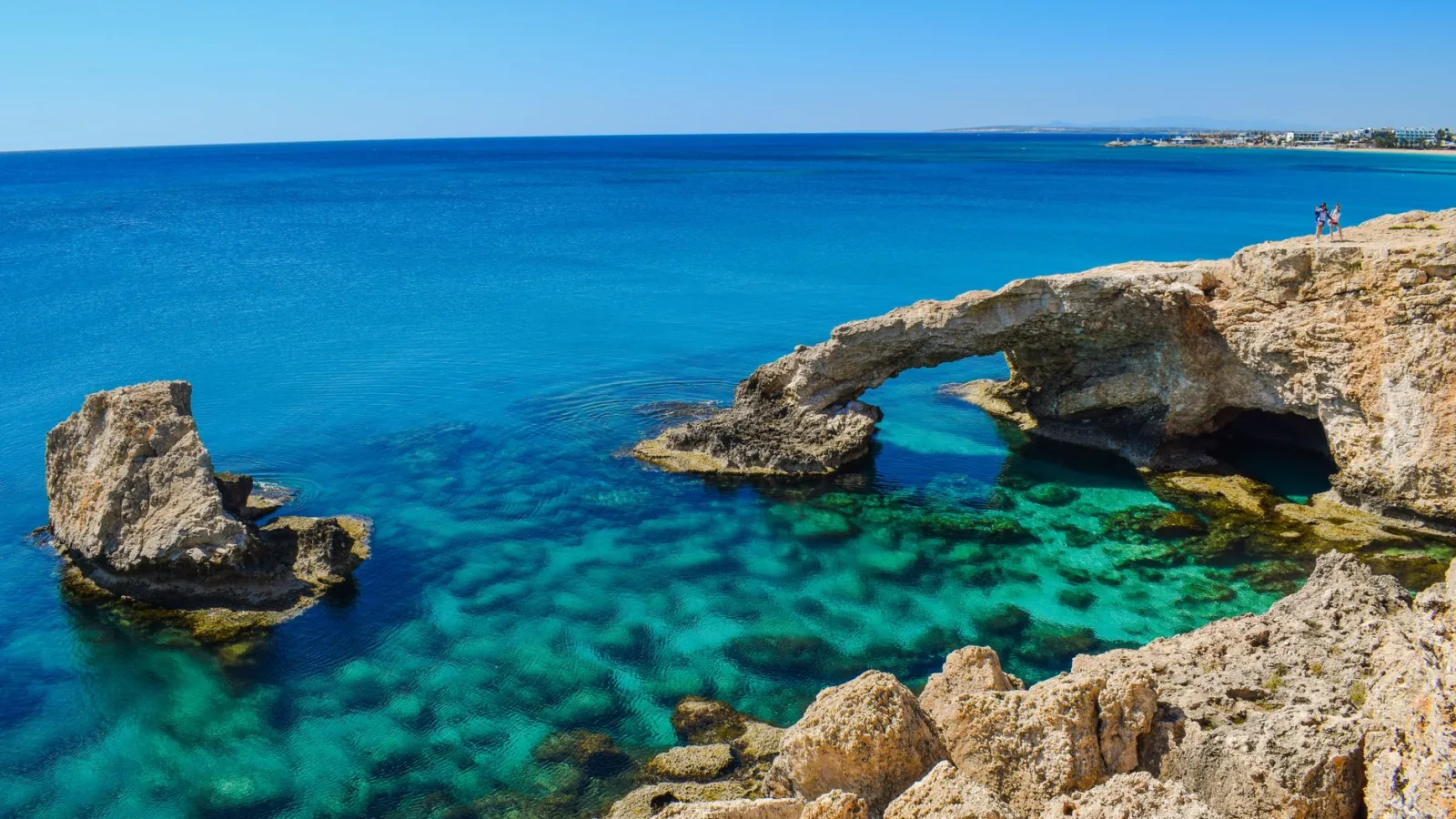
What the east coast actually is
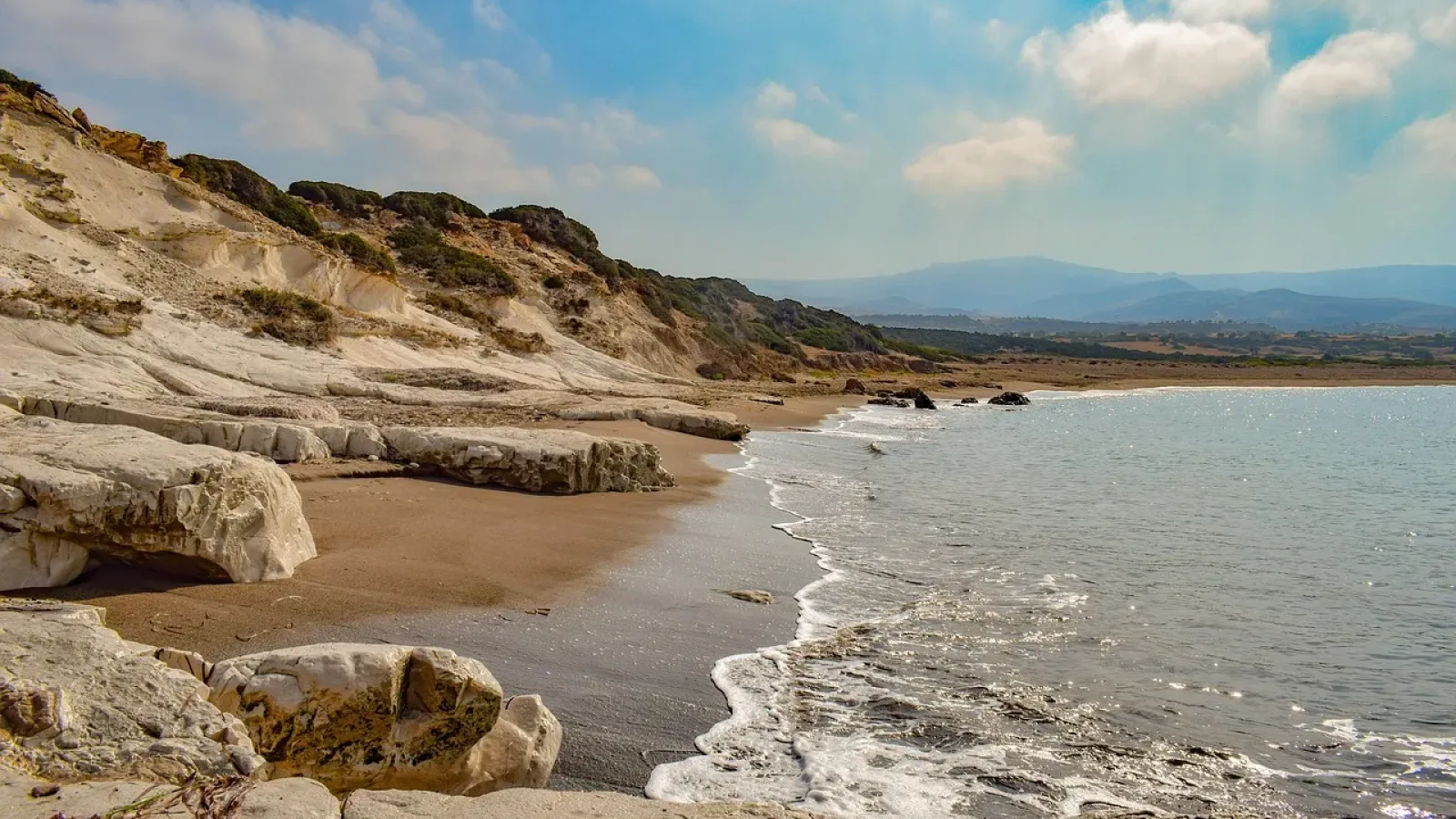
Drive east from Nicosia and the island changes character. The mountains flatten out, the light gets wider, and the coastline turns from the rocky, cove studded north into long stretches of open sand. This is the part of North Cyprus where the beaches actually look like the photographs, and it is the reason so much has been built here in the last decade.
Two things dominate the area. Famagusta, an old walled city with a university, a working port and a genuine year round population. And the strip running north from it through Iskele and along Long Beach, where most of the new development sits. They are close on a map and quite different in daily life, and buyers who treat them as one place tend to be the ones who buy the wrong one.
Famagusta as a town
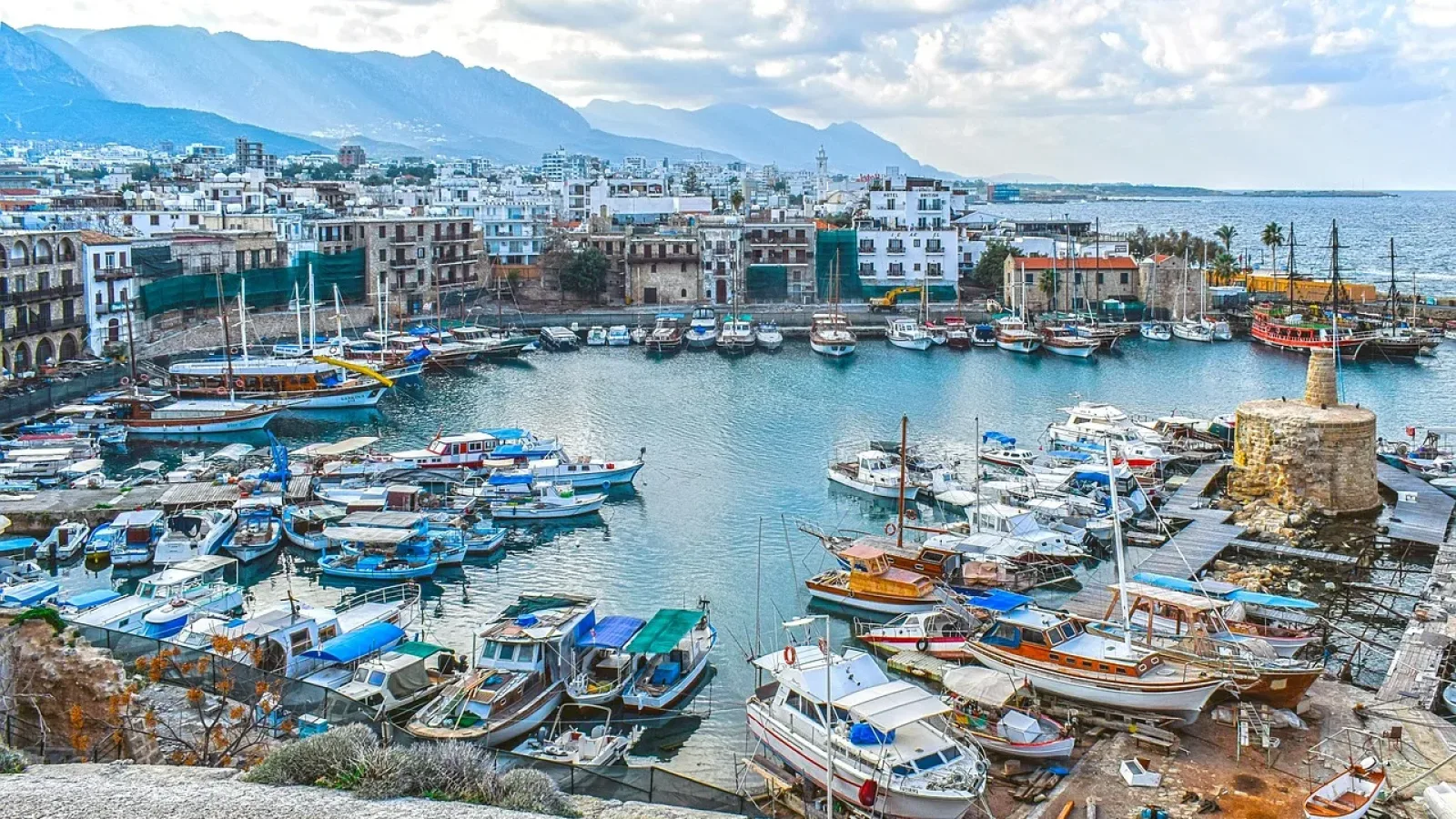
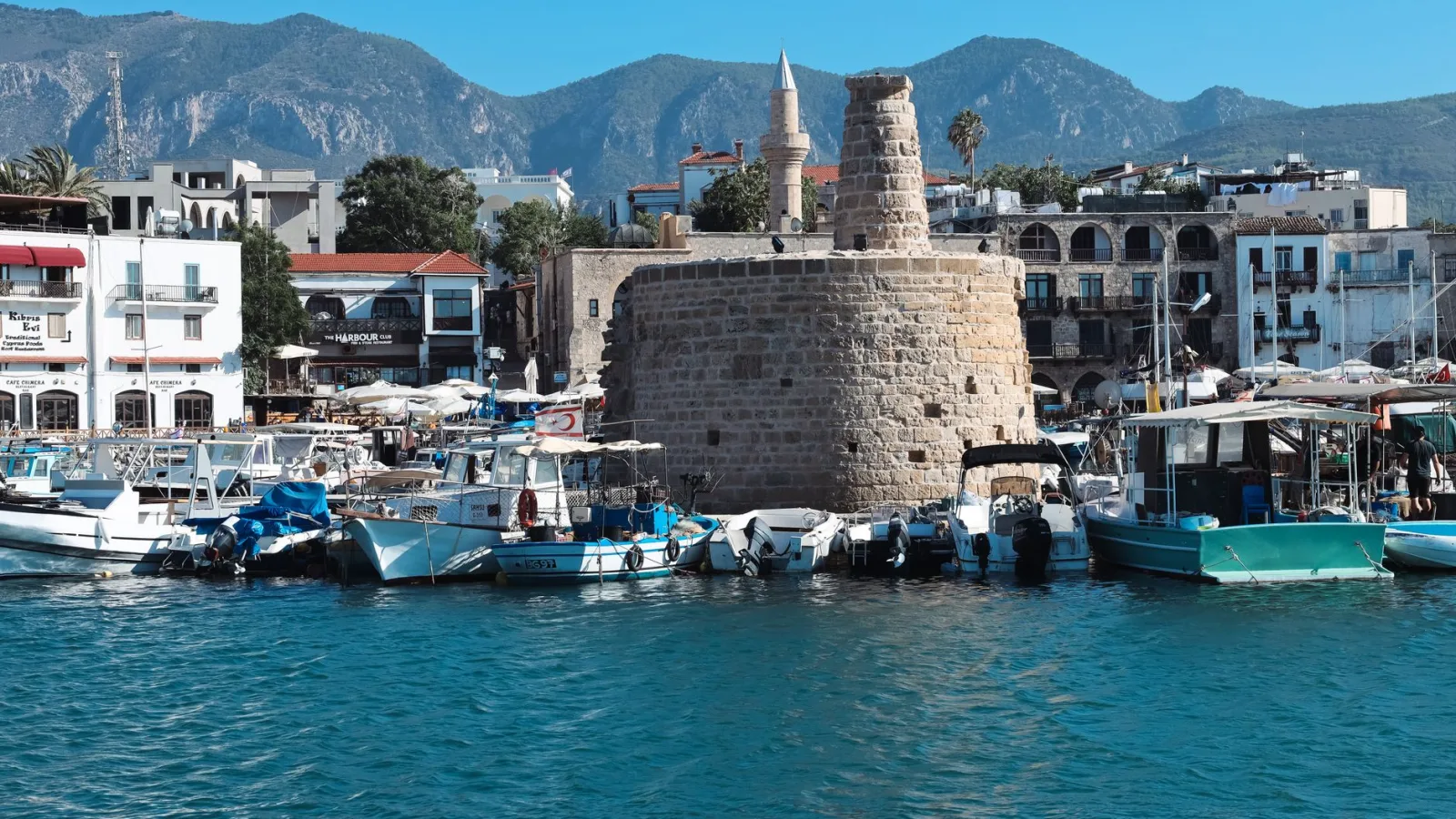
Famagusta is a real city and not a resort. Inside the Venetian walls there is genuine history, a scale that rewards walking, and the kind of streets where daily life is visible rather than staged. Around it sits a large university, which gives the town an academic population, a young energy in term time and a rental market that behaves differently from the holiday market on the coast.
What that means for a buyer is straightforward. Property here is more urban and often better value per square metre than the coastal developments a few kilometres north. Amenities are those of a working town: hospitals, schools, shops that stay open all year, and a social life that does not evaporate in October. What you give up is the beachfront complex with a pool that most buyers are picturing when they search for North Cyprus property.
Practical notes worth knowing: summers here are hot, hotter than the north coast, and shade and orientation matter more than they do in Kyrenia. The university calendar drives a good part of the rental demand, so student season and holiday season are two separate markets. And it is closer to Ercan airport than Kyrenia is, which matters if you fly in and out often.
Kyrenia sells you a town you can live in. The east coast sells you a beach and a price. Knowing which one you are actually buying is the whole decision.
Iskele and the Long Beach strip
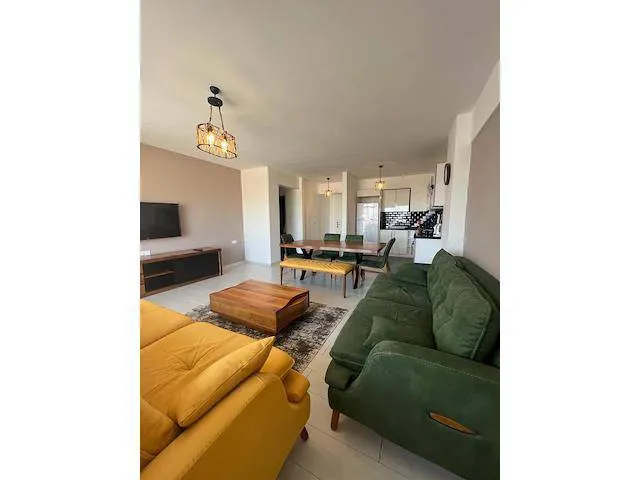
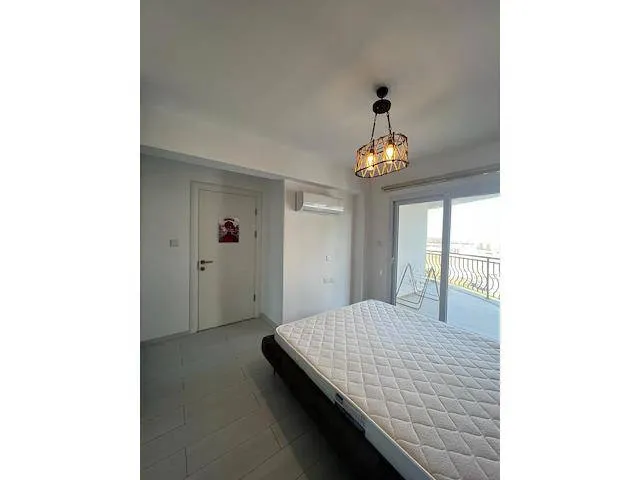
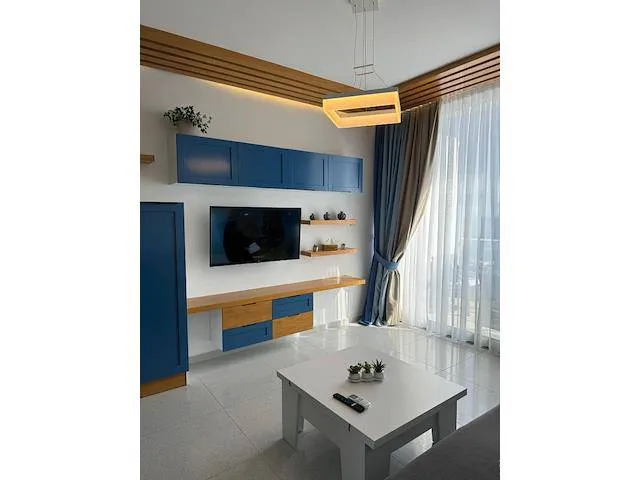
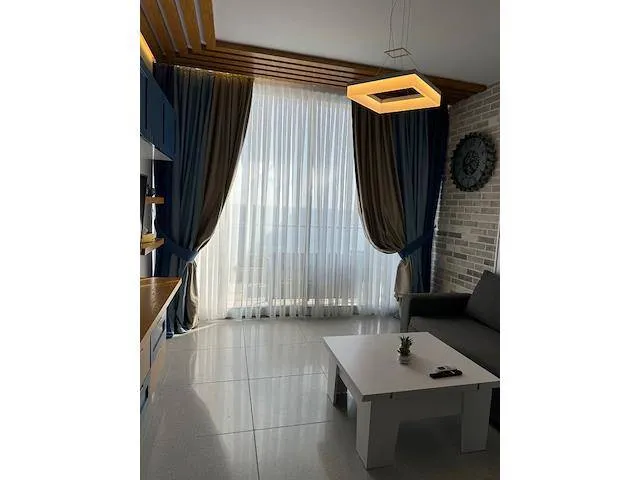
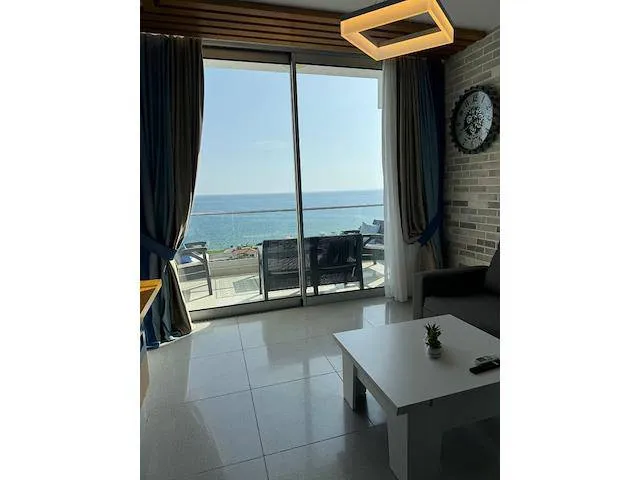
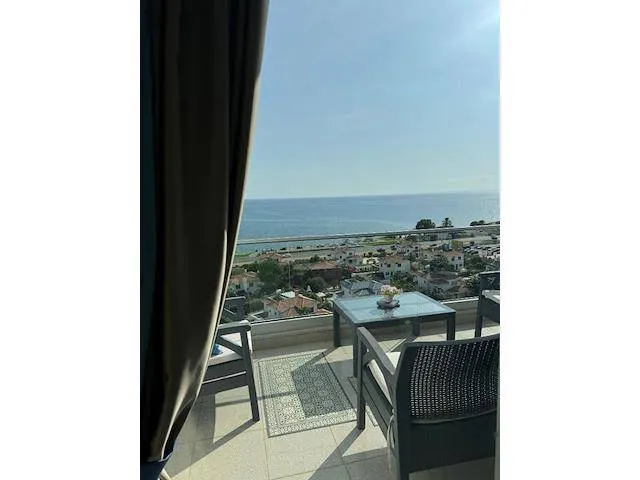
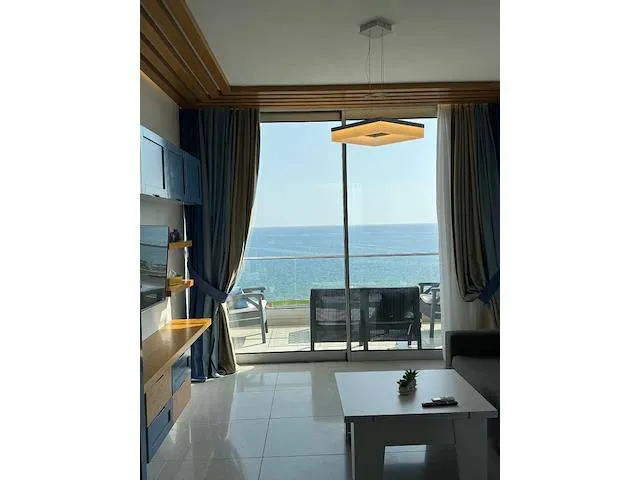
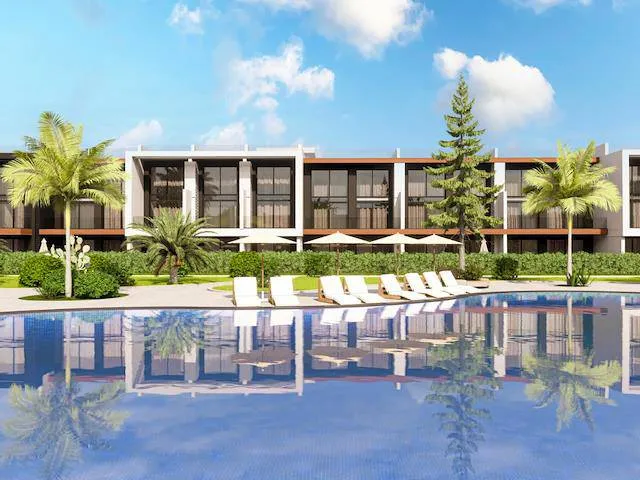
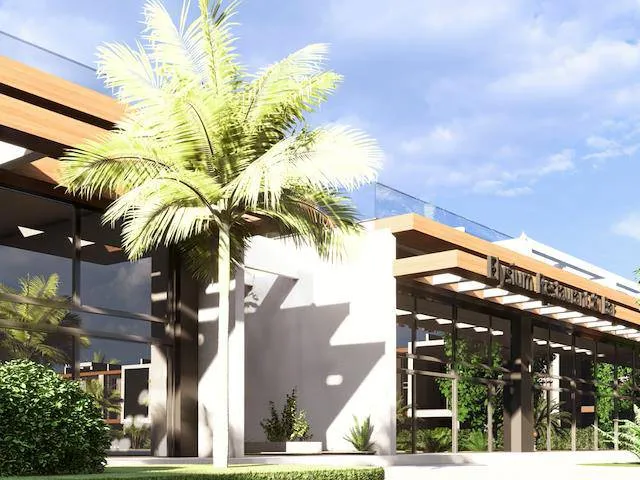
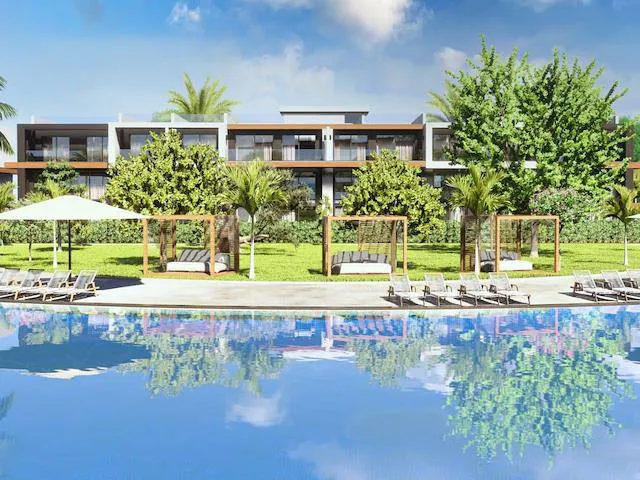
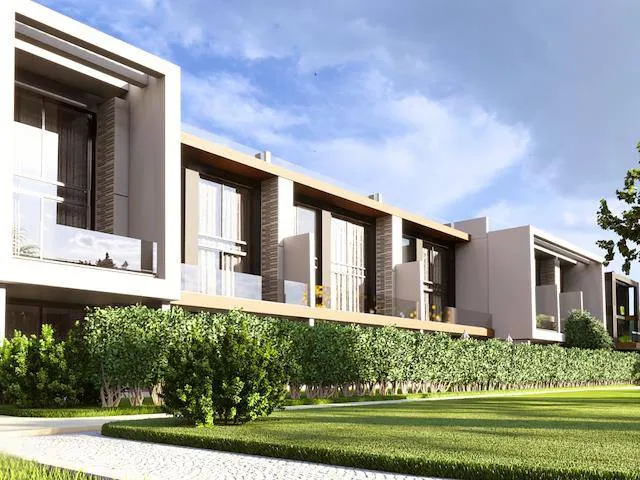
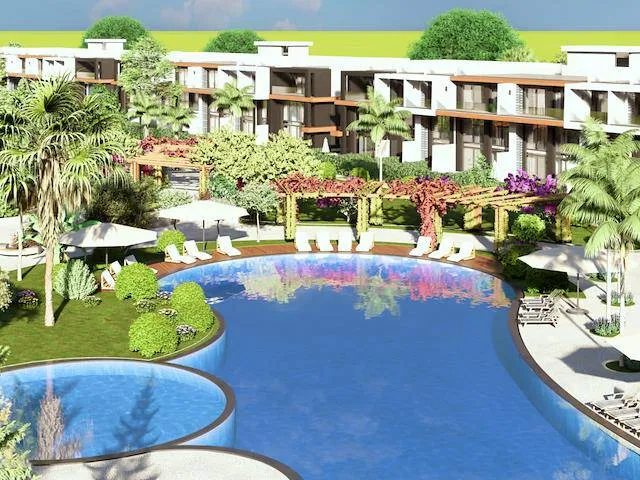
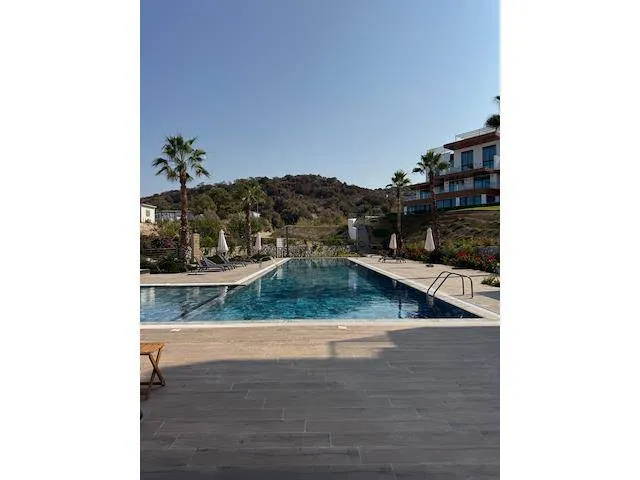
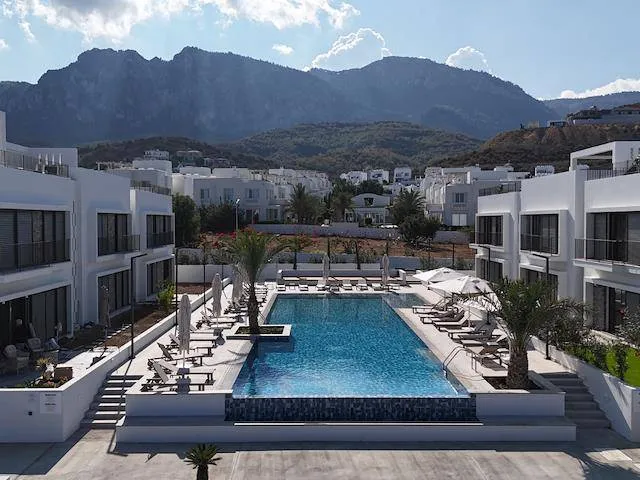
North of Famagusta the picture changes completely. This is the most actively developed coastline in North Cyprus, a run of new complexes with pools, landscaping, on site facilities and a great deal of glass facing a long sandy beach.
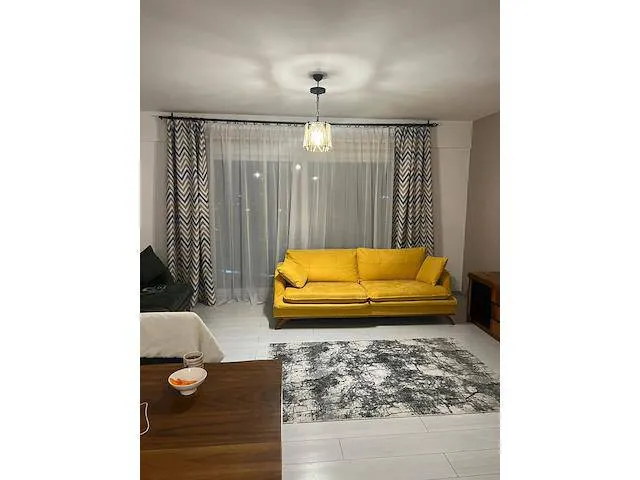
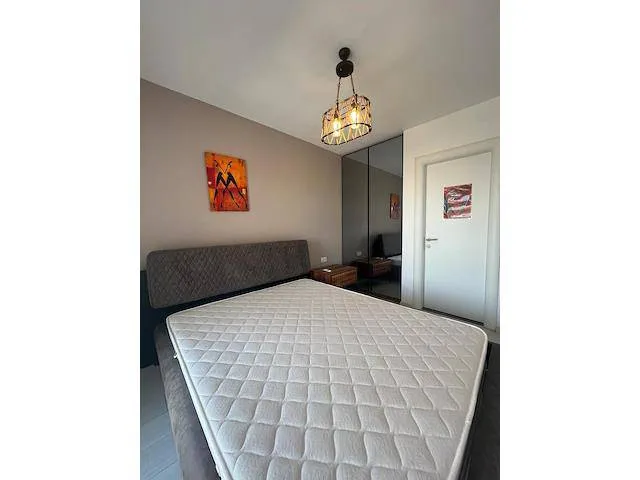
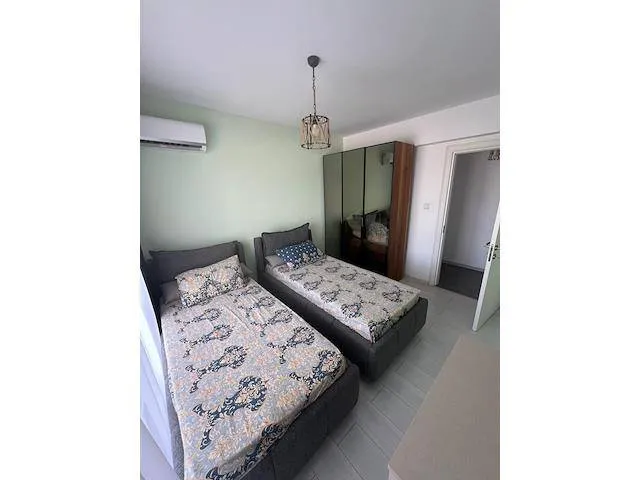
The appeal is obvious and it is real. Entry prices are noticeably lower than equivalent property on the north coast. The beach is genuinely good. New build means new build advantages: modern layouts, warranties, payment plans on off plan stock and a finish that has not aged. For a holiday home or a letting property, it is a straightforward proposition that works.
The honest counterweight is seasonality. In August the strip is busy and lively. In January a good deal of it is empty, some restaurants close, and the complex that felt sociable in summer feels like a large quiet car park. That is neither good nor bad in itself. It is simply the thing to know before you commit, and it is the single biggest gap between what buyers expect and what winter delivers.
The second thing to check is what is unbuilt around your plot. This is an area where a clear view today can become a neighbouring construction site next year, and the only reliable protection is a position that cannot be built out rather than a promise that it will not be.
Who buys here, and why
Four patterns come up again and again.
The budget led buyer. They looked at Kyrenia, found the number they wanted did not reach what they wanted, and came east. Here the same money buys more space, a newer building or a closer beach. This is the largest group and their logic is sound, as long as they have visited in winter as well as summer.
The letting buyer. They are buying an asset that works in season, in a market where new build with a pool and a beach nearby is what holiday renters search for. They should be running the numbers with management fees, cleaning, seasonality and void periods included, not a simple weekly rate times fifty two.
The beach person. They know exactly what they want and it is sand, not rock. No amount of Kyrenia charm competes with a long flat beach for a family with young children, and they are right to buy where the thing they actually use is.
The Famagusta buyer. A quieter, smaller group and usually a more deliberate one. They want a town rather than a complex, a year round population, and a property with a purpose beyond the summer. They tend to be people who have been to the island several times before buying.
Who should probably look elsewhere
We would rather say this now than after a purchase.
If you are moving here full time and you want a town you can walk into, with restaurants open in February, a mixed international community and the widest choice of services, Kyrenia and its surroundings will suit you better. If you are working remotely and need people around you during a January working week, the same applies. If you need frequent hospital access, weigh where the facilities you would rely on actually are. And if you cannot bear the idea of a construction site nearby for a season or two, the most actively developing coastline on the island is a difficult place to buy.
None of that makes the east coast a bad purchase. It makes it a purchase with a shape, and the shape suits some lives beautifully and other lives not at all.
What your money reaches
Broadly, the east coast is where budgets that feel tight on the north coast start to breathe. Buyers who could reach a small apartment near Kyrenia often find a larger one here, or a newer one, or one much closer to the sea. That is the trade the area exists on, and for a lot of people it is a good one.
The way to test it is not to read about it. Spend two nights on the east coast rather than a day trip, walk the beach in the early evening, and go into a supermarket and a restaurant on a weekday to see who is there. If you visit outside high summer, you will learn more in those two days than in a month of browsing listings.
Tell us what you are weighing up between and we will show you comparable properties on both coasts at the same budget, side by side, with the seasonal reality of each spelled out. Choosing the coast is a bigger decision than choosing the apartment, and it deserves the better half of your research time.