
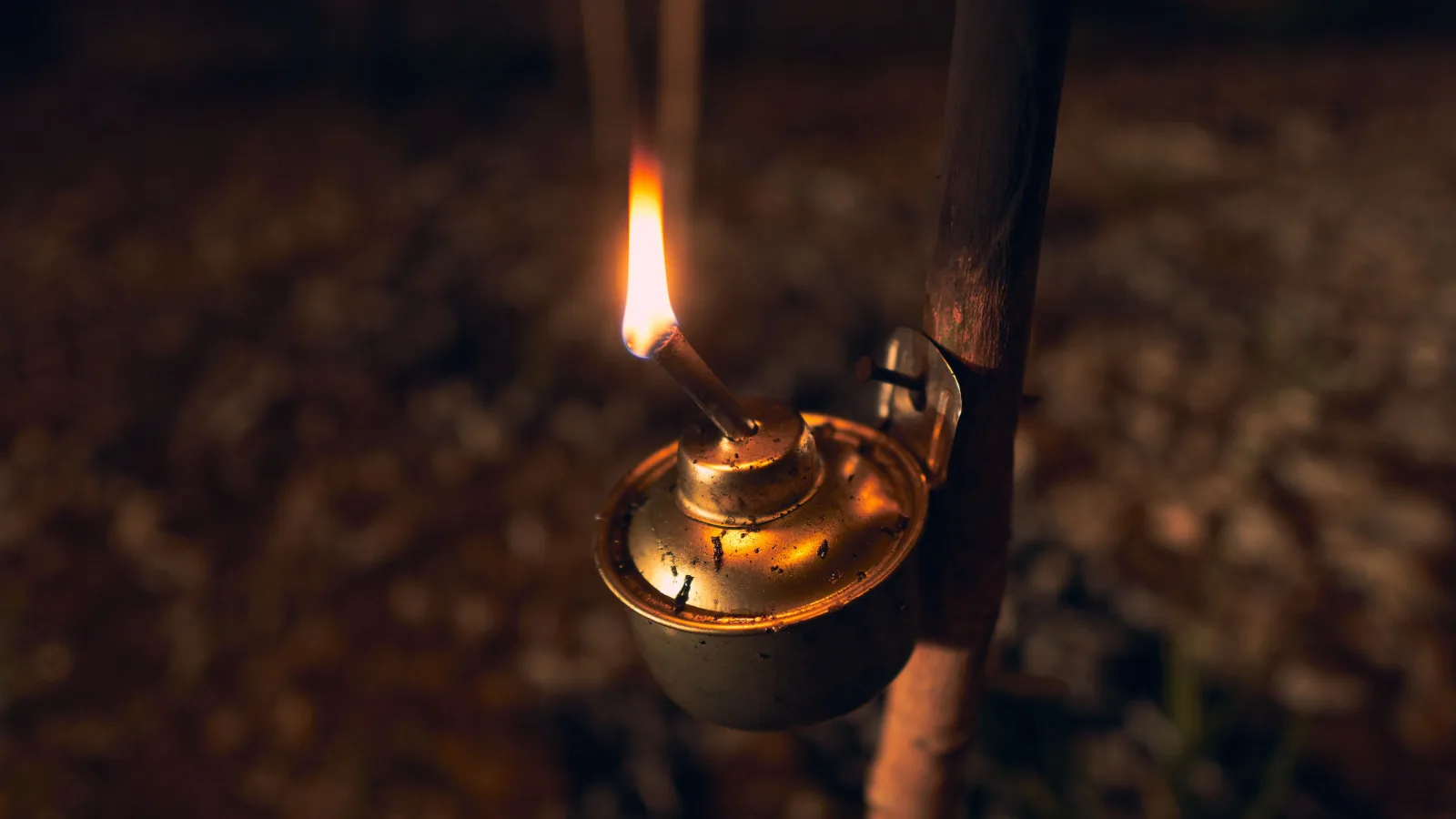
A February evening, and what a cut here really is
The wind comes down off the Beşparmak ridge, the rain arrives almost sideways, the lights flicker twice and go. On most winter evenings that is the whole story: you find the torch, the power returns before the kettle would have cooled, and the island carries on. Cuts in North Cyprus are usually short. After a heavier storm, when a line is down somewhere between villages, they can occasionally run longer, and that is the version people remember and retell.
As Client Director I get asked the generator question at some point in almost every villa search, usually phrased as a simple do I need one. The honest answer is not a yes or a no; it is a spec sheet. So here are five of them, written the way a salesman should write them and rarely does: what each tier covers, what it does not, and the fine print. Read down the tiers until the fine print stops bothering you; that is your tier.
Tier one: the candle, the lantern and the powerbank
The entry tier costs less than a dinner out and lives in a kitchen drawer.
- Covers: light for an evening, charged phones, a rechargeable lantern for the stairs, a radio if you like one.
- Does not cover: the fridge, the freezer, the router or hot water. Even a bottled gas boiler usually needs mains power for its electronics and pump, which surprises almost everyone the first time.
- Fine print: powerbanks discharge slowly in storage, so recharge them at the start of winter. Candles and curious cats are a poor mix; a battery lantern is safer and brighter.
Buy this if you live near a town on a well-served line and a cut is an occasional candlelit hour, not a household risk.
Most homes here need less backup than buyers fear, and the right amount is decided by your freezer, not your nerves.
Tier two: a UPS under the desk
An uninterruptible power supply is a battery box that bridges the gap without you touching anything.
- Covers: the router and a work call that must not drop, a computer for long enough to save and shut down, and in a larger size it preserves the freezer's dignity for a while.
- Does not cover: anything with a heating element; kettles, ovens, water heaters and air conditioning drain any sensible UPS in moments.
- Fine print: batteries age quietly and fail on the day they are needed, so test yours before each winter. Cheap units can be noisy under load.
Buy this if you work remotely from the island and one dropped video call costs you more than the box does.
Tier three: the small petrol generator
The suitcase-sized petrol set is the classic answer and the most oversold one.
- Covers: the essentials through extension leads: the fridge, the freezer, some lights, phone chargers, perhaps the television, with the machine out on the terrace and the leads through a window.
- Does not cover: the whole house through its own wiring, unless an electrician fits a proper changeover switch; and it never runs indoors or in a closed garage under any circumstances, because carbon monoxide kills quietly.
- Fine print: petrol goes stale in storage and needs rotating; the machine wants starting a few times a year or it will sulk when the storm comes; it is loud enough that neighbours notice; and some managed complexes forbid portable generators outright in their site rules, so check before you buy one.
Buy this if you own a detached villa, do not mind a little machinery, and want the freezer protected through a long post-storm outage for a modest outlay.
Tier four: the installed changeover generator
This is the tier people picture when they say generator: a fixed set beside the house, wired in through a changeover switch, sometimes automatic.
- Covers: the house, more or less as normal: lights, sockets, the boiler's electronics, the pool pump if you insist.
- Fine print, part one: cost. As a rough planning figure only, a modest installed set with a manual changeover tends to land in the low thousands of euros, and an automatic system with a larger unit costs meaningfully more; get current local quotes before you plan around any number, because equipment and installation prices move.
- Fine print, part two: the honest question. It needs servicing, fuel and a monthly test run whether it works one night a year or ten. On a coastal line that loses power for three short evenings a winter, a changeover set is an expensive ornament. Ask how often it would actually run before you ask what it costs.
Buy this if you live in the house year-round, sit rural or at the end of a long line, or someone in the household depends on powered medical equipment, in which case this stops being a comfort purchase and becomes the sensible one.
Tier five: solar with a battery
The quiet option, and the only one that also earns its keep on the other 360 days.
- Covers: daytime independence in a sunny climate and silent backup at night for the loads that matter: fridge, freezer, lights, router.
- Does not cover: everything, unless you size it honestly. A realistically sized home battery carries the essentials overnight; it does not run air conditioning through a stormy night and greet the dawn full.
- Fine print: not every solar installation works during a cut; many grid-tied systems shut down for safety unless they include a battery and a backup capability, so ask for that in writing. This site has a fuller article on solar, air conditioning and what power really costs, and it is worth reading before you sign for panels.
Buy this if you are settling long term, want lower bills all year and see storm backup as a welcome side effect rather than the whole point.
The five tiers side by side
One table, no romance:
| Tier | Keeps running | The honest limit | Best suited to |
|---|---|---|---|
| Candle and powerbank | Light and phones for an evening | Nothing with a motor or a heating element | Town locations with rare, short cuts |
| UPS | Router, computer, a graceful shutdown | Minutes to an hour or two, and batteries age | Remote workers |
| Small petrol generator | Fridge, freezer and lights via extension leads | Fuel storage, noise, site rules, never indoors | Detached villas after storms |
| Installed changeover set | The whole house | Purchase cost, servicing, and it may rarely run | Year-round rural living and medical needs |
| Solar with battery | Essentials overnight, independence by day | Honest sizing, and backup mode must be confirmed in writing | Long-term residents |
If you are hovering between two tiers, take the lower one first; adding a generator later is far easier than selling one.
The empty house, and what to ask at a viewing
Absent owners have a different problem: not comfort, but the fridge and freezer nobody is watching. Three cheap protections work together. Empty and switch off the fridge before you leave, prop the door open, and the whole question disappears. If the freezer must stay stocked, a smart plug or a simple temperature sensor on the mobile network tells you when the power has been off. And the oldest trick still works: freeze a cup of water, lay a coin on top, and if you return to find the coin sunk into the ice, the freezer thawed and refroze while you were away and the contents should go.
And when you view, ask about electricity specifically. Ask how often the power went out last winter and for how long; a truthful seller or neighbour answers in seconds. On complexes, ask whether there is a shared generator and exactly what it feeds, because the phrase about the site having a generator sometimes means only the pool bar. On villas, look for a changeover switch beside the meter and ask when the set was last serviced. Our team will tell you plainly what each listing has and what it lacks; browse our villa listings with that one question ready, and you will learn more about a house's winters than any brochure will admit.