
A field guide to the edge of the garden
The first structure most new villa owners in North Cyprus want to build is not a pool or a pergola. It is a wall, or a gate, and with it comes a first meeting with the local municipality, a shared boundary line and a neighbour's opinion, usually all in the same week. This guide treats the small structures of a garden the way a naturalist treats birds: as species you can learn to recognise, each with its own habitat, its own keeper and its own way of starting an argument.
None of what follows is legal advice, because rules vary by municipality and by site. Read it as field notes, then check with the two authorities that matter for your plot: the local municipality and, on a complex, your site management.
The boundary wall
You meet it along the perimeter of the plot: solid, rendered or built from local stone, sometimes only knee high with a fence above. Ownership looks obvious and rarely is. A wall can stand wholly on one plot, wholly on the next, or ride the line itself, and the site plan attached to the title deed (koçan) is the only document that settles which. Solid walls above a modest height, often around a metre at the street side, commonly require municipality permission, and complexes usually add their own limits, so ask both before quoting a builder.
The dispute it most often starts is the quiet one: a wall built a hand's width over the line, discovered years later when one plot is sold and surveyed. On one older site near Kyrenia we walked, the boundary wall stopped a full metre short of the corner peg because the builder had started from the wrong stone; nobody had ever noticed, and both gardens had quietly absorbed the gap. The sensible move: find your boundary pegs and put the site plan next to the quote before anyone mixes concrete.
Most boundary disputes are not started by bad neighbours; they are started by good intentions and a missing site plan.
The garden fence
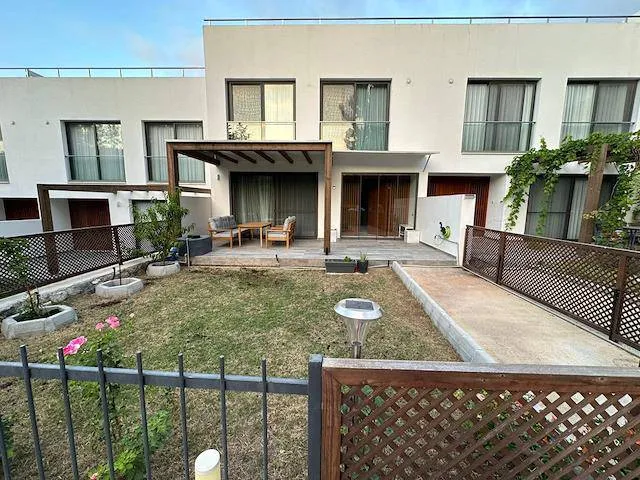
A lighter species, seen threading between villas on managed complexes, often as standard-issue green or anthracite mesh faded by a few summers of sun. On a complex the fence usually arrived with the villa, and site management commonly treats its height, colour and style as part of the shared appearance of the site, which means replacing or raising it usually needs their consent, not just your neighbour's. Maintenance normally follows ownership, and on shared runs that can mean each side paints its own face and nobody paints the top rail. The dispute it starts is aesthetic: two neighbours, two heights, three materials. The sensible move is dull and effective: ask site management for the fence rules in writing before ordering anything.
The gate
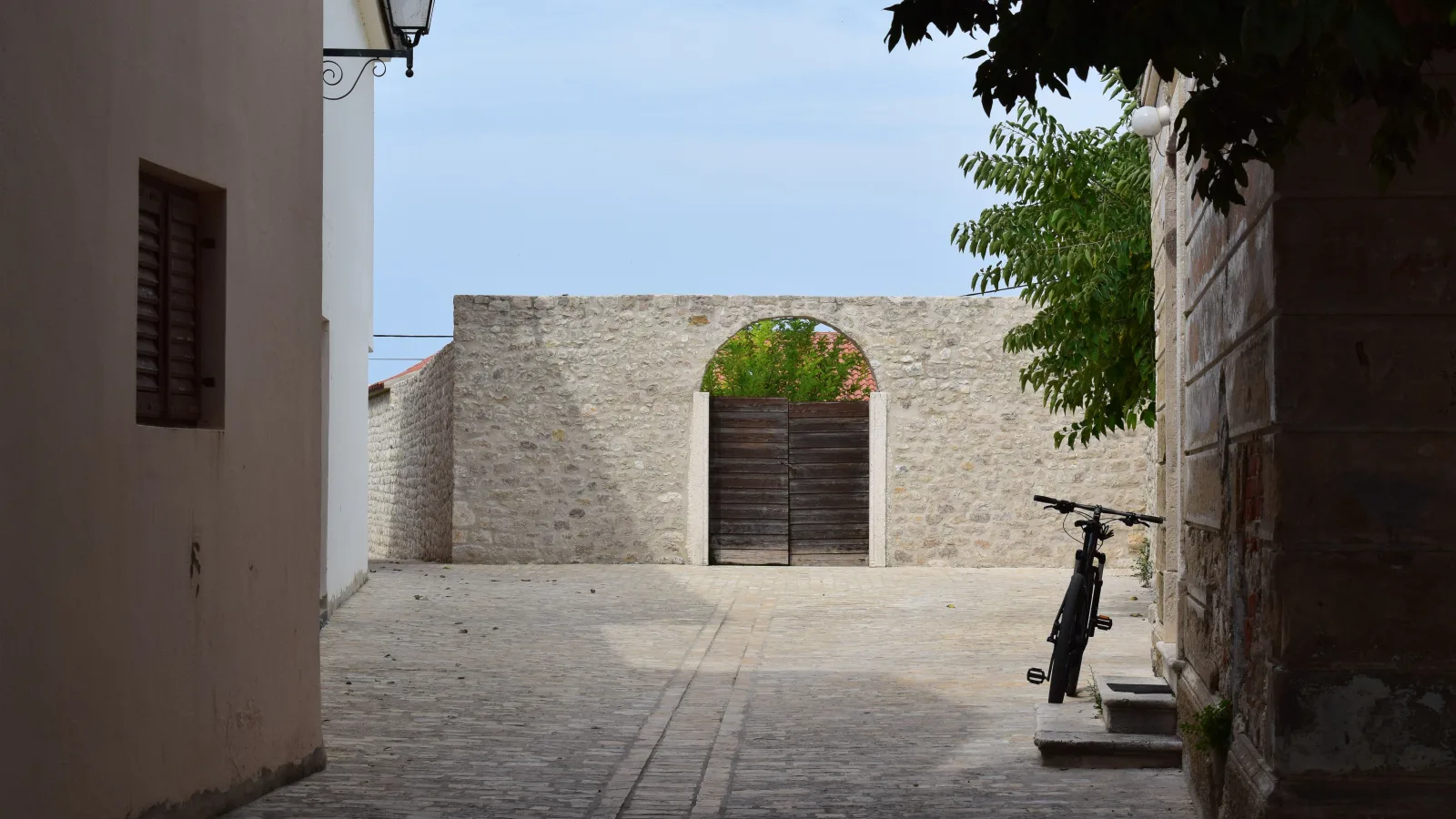
Easily identified: it is the only structure in the garden that moves. The gate hangs on your pillars but swings through space that may not be yours, and that is where the trouble lives. A gate opening outward over a shared lane blocks it twice a day; a motorised gate needs power, a safe run and, on some sites, management approval for the motor and the intercom. Larger new gates onto a public road commonly require a word with the municipality, because sightlines and access are their business. The dispute it starts: who has the remote, and why the courier does not. Before replacing one, agree in writing which way it swings, who holds keys and codes, and who pays when the motor fails, because the motor always fails in August.
The hedge
The living boundary, and the only one that keeps building itself after the builders leave. Oleander, cypress and bougainvillea are the common varieties, and all three treat a boundary line as a suggestion. The hedge normally belongs to whoever planted it, and so does the duty to trim it, but branches and roots will not read the plan; overhang and thirsty roots near a neighbour's pipes are the classic complaints. An oleander hedge we saw planted a polite half metre inside its line had doubled its footprint within three summers. Permission is rarely the issue here, upkeep is. Plant well inside your own line, agree who cuts the shared face, and remember that oleander is toxic to pets, which matters on a site full of dogs.
The retaining wall
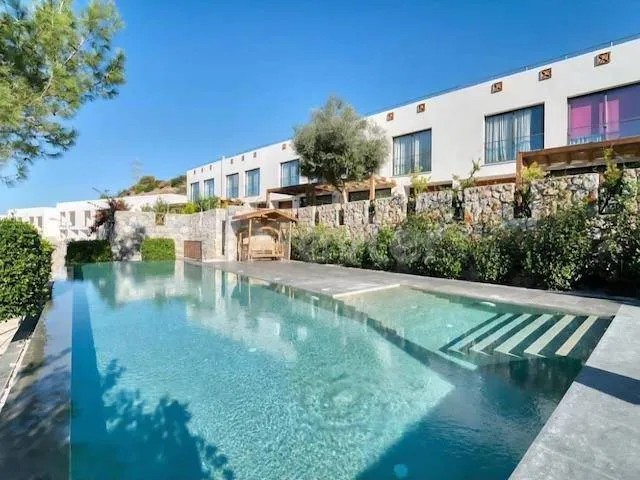
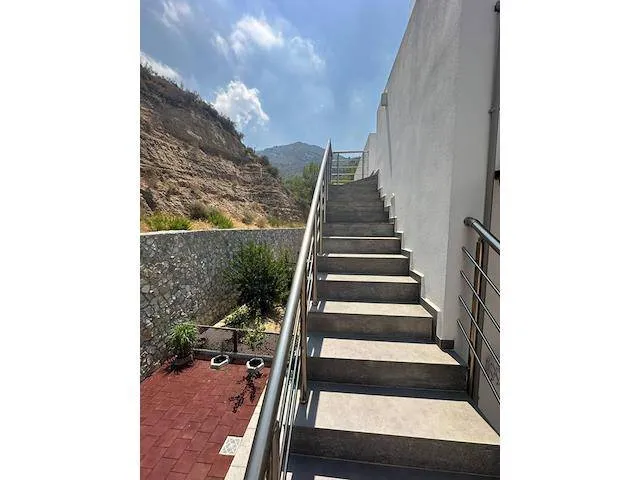
Found on hillside plots around Esentepe and upper Kyrenia, and easily mistaken for a boundary wall by anyone who has not seen one fail. A retaining wall does not mark land, it holds it, and that makes it a structure with engineering consequences. Responsibility usually follows benefit: the wall generally belongs with the land it supports, but on stepped sites this is genuinely ambiguous and worth settling in writing. Building or replacing one commonly requires municipality permission and should always involve an engineer, because the true owner of every retaining wall is the winter rain. The dispute it starts is drainage: water from the upper garden arriving in the lower one. Look for weep holes, bulges and fresh cracks after the first heavy rain, and never let a general builder replace one on a hunch.
Before you buy: read the boundary first
If you are still choosing your villa, the boundary is worth ten minutes of any viewing, because everything above becomes much cheaper to resolve before you own the plot. Walk the edge with the site plan in hand and check:
- Do the fences and walls on the ground match the lines and measurements on the site plan?
- Who owns and maintains each boundary structure, and is that written down anywhere?
- Were existing walls, gates and extensions built with permission, and can the seller show it?
- On a hillside plot, what condition are the retaining walls in, and where does winter water go?
- What do the site rules say about changing fences, gates and hedges?
A good site plan answers most of these questions before anyone argues about them, which is why we ask for it early. If you are shortlisting villas with gardens worth walking, browse our current villa listings and ask our team to go through the site plan of any home that interests you, boundary by boundary, before you reserve.