What winter is actually like
Start with the good part, because it is genuinely good. Winter here is short and mild. Daytime is often pleasant enough for a coat and nothing more, the light stays generous, and there are stretches in January and February where you eat lunch outside and wonder why anyone lives anywhere else. The hills turn green, the tourist crowds are gone and the roads are quiet.
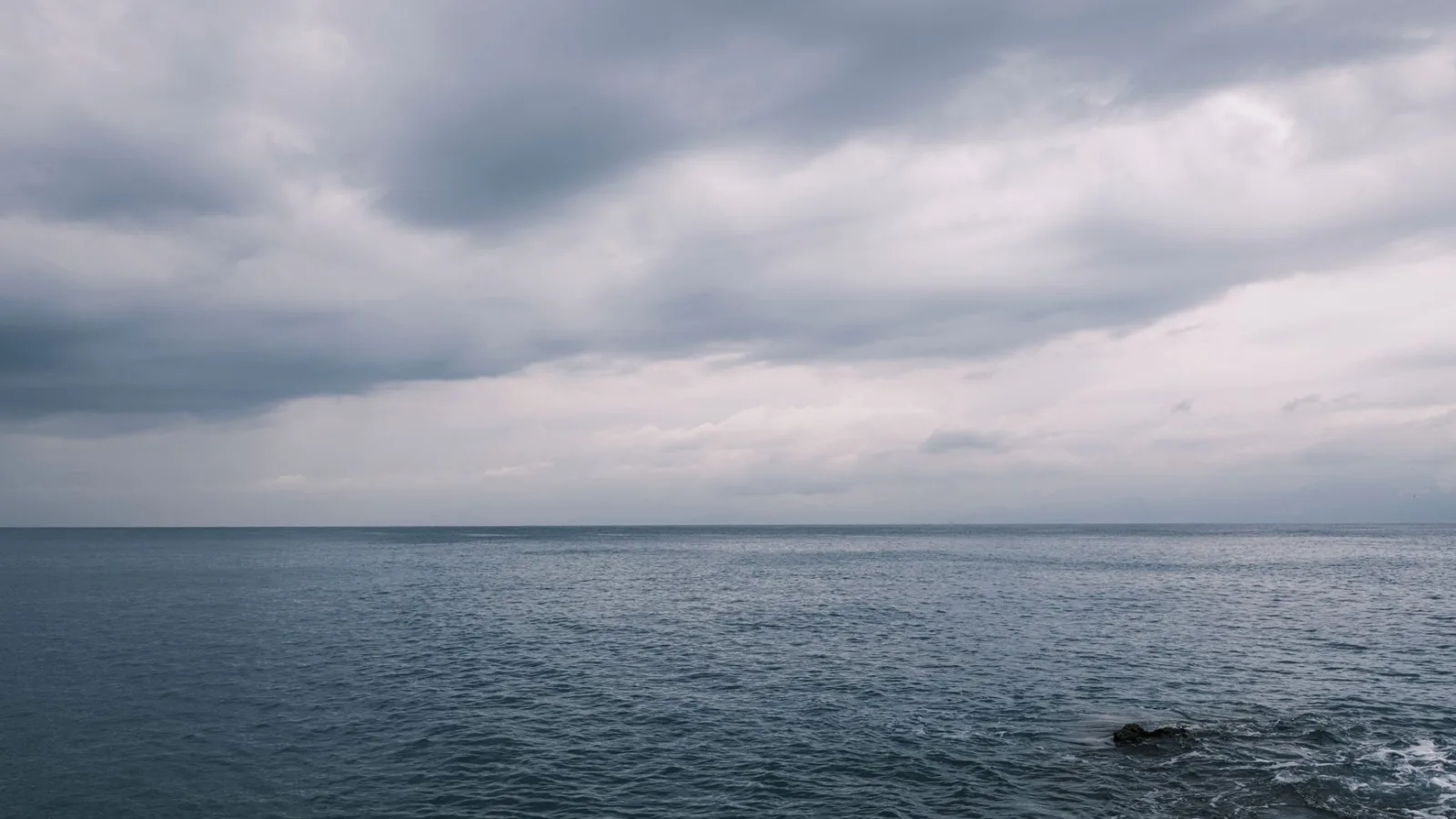
Then the honest part. Rain arrives in bursts rather than drizzle, and when it comes it comes hard, turning roads into rivers for an afternoon and stopping as suddenly as it started. Evenings are properly cool. And the wind on exposed north coast positions has an edge to it that photographs never show.
Compared with a German winter it is a holiday. Compared with what most buyers imagine, it is cooler and wetter, and the difference lives indoors.
The indoor problem nobody mentions
This is the single biggest winter surprise for northern European buyers, and it is nothing to do with the weather.
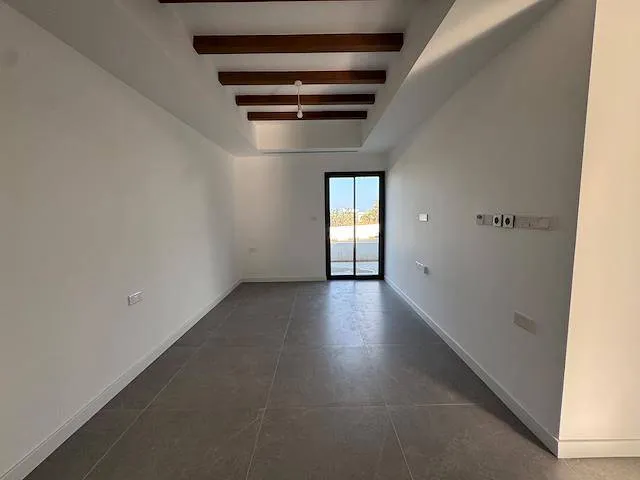
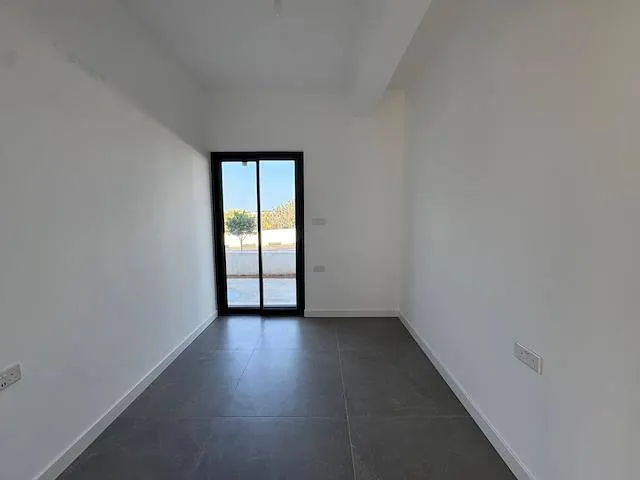
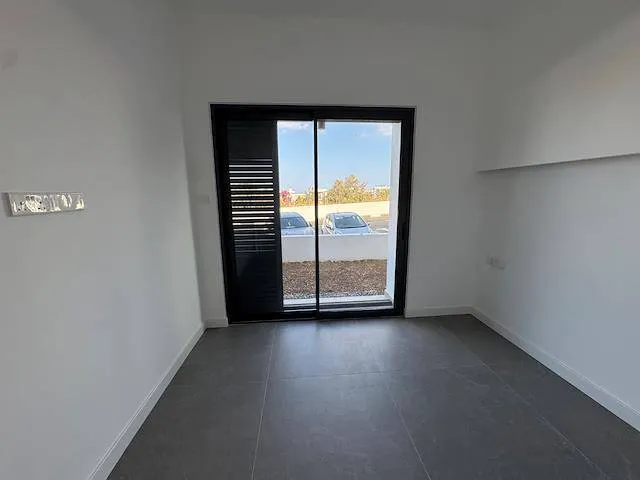
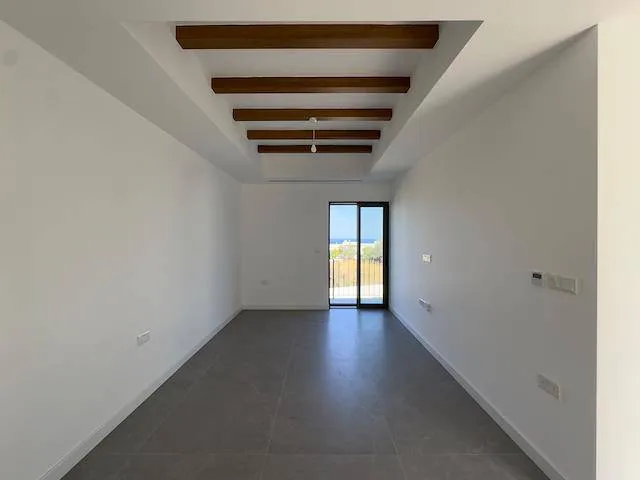
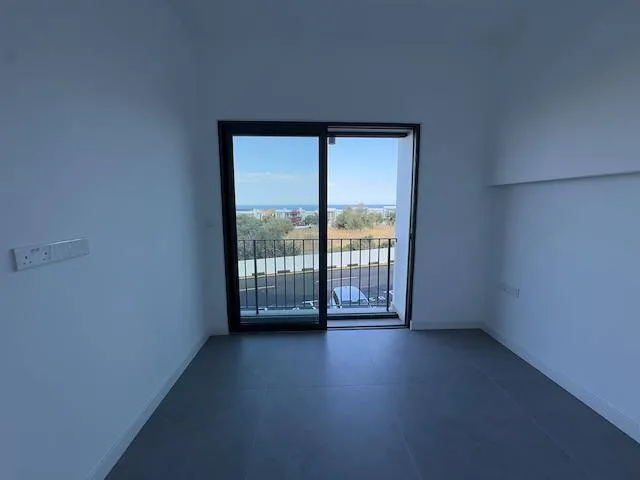
Homes here are built for heat, not cold. Marble and tiled floors, thin walls, large areas of single or basic glazing, and often no insulation worth the name. In August that is exactly what you want. In January it means a house that holds the night temperature until noon and gives it back the moment the sun goes down.
Coming from a German flat with proper insulation and central heating, the effect is disorientating. Fourteen degrees outside feels fine on a walk and distinctly unpleasant in a living room with a stone floor. Buyers regularly report being colder indoors here in February than they ever were in Germany.
None of it is a defect. It is a design choice for the climate that matters most. But it does mean heating is a real budget line and not an afterthought.
The houses here are built to survive August, not January. That single sentence explains most winter complaints.
How people actually heat their homes
| Method | Reality |
|---|---|
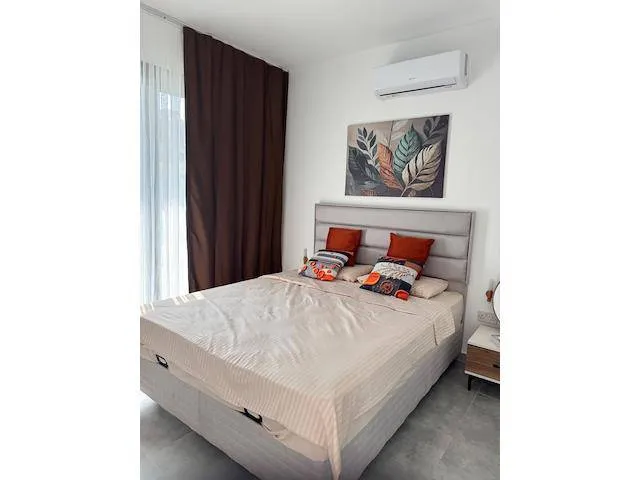
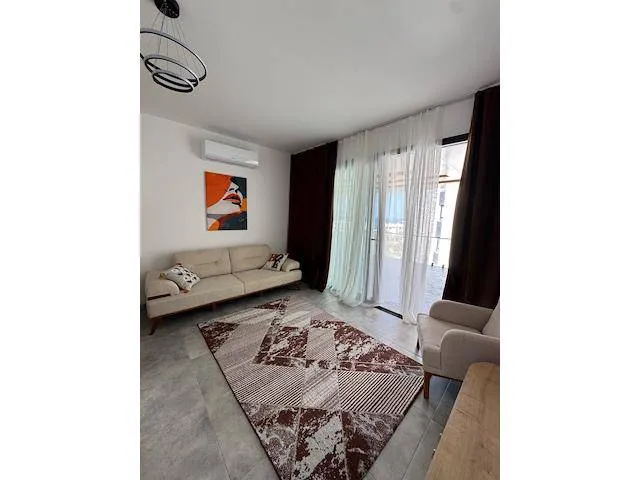
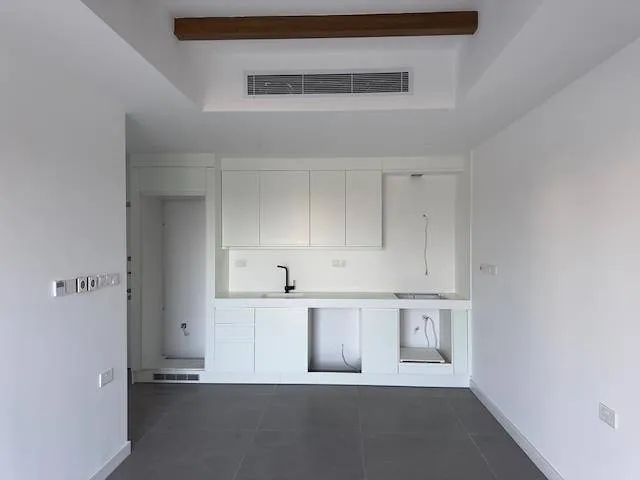
| Air conditioning on heat mode | The default in most homes. Effective, instant, and the reason winter electricity bills surprise people |
| Underfloor heating | Increasingly common in new build and genuinely transformative on tiled floors. Worth asking about at viewing |
| Wood burning stove | Common in villas, wonderful in the evening, and the reason villages smell of woodsmoke in January |
| Electric heaters | Cheap to buy, expensive to run, and what most people end up buying in their first December |
| Rugs, curtains and draught sealing | Unglamorous and the best value of the lot on a marble floor |
Two practical notes. Ask about the winter electricity bill at any property you are seriously considering; owners will usually tell you honestly and the figure varies enormously with insulation and glazing. And check for damp in north facing rooms, corners and behind wardrobes, because condensation is far more common here than the summer visit suggests.
What changes in daily life
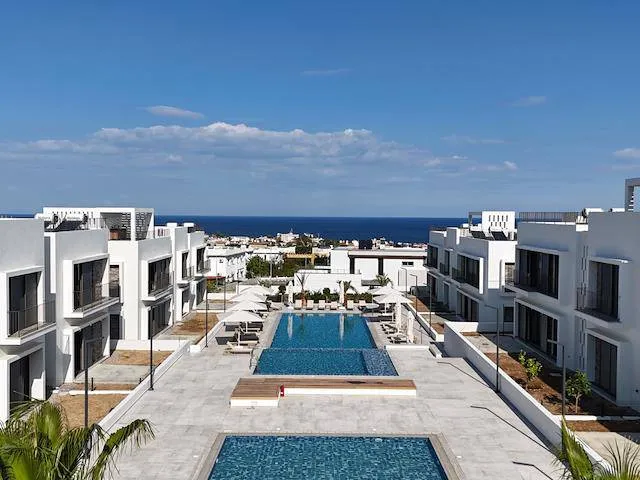
The resort areas quieten dramatically. Restaurants that were queuing in August close for the season or open three days a week, and complexes where every terrace was busy in summer stand largely empty. If you bought into a holiday development and you are here in January, you may be one of very few people in the building.
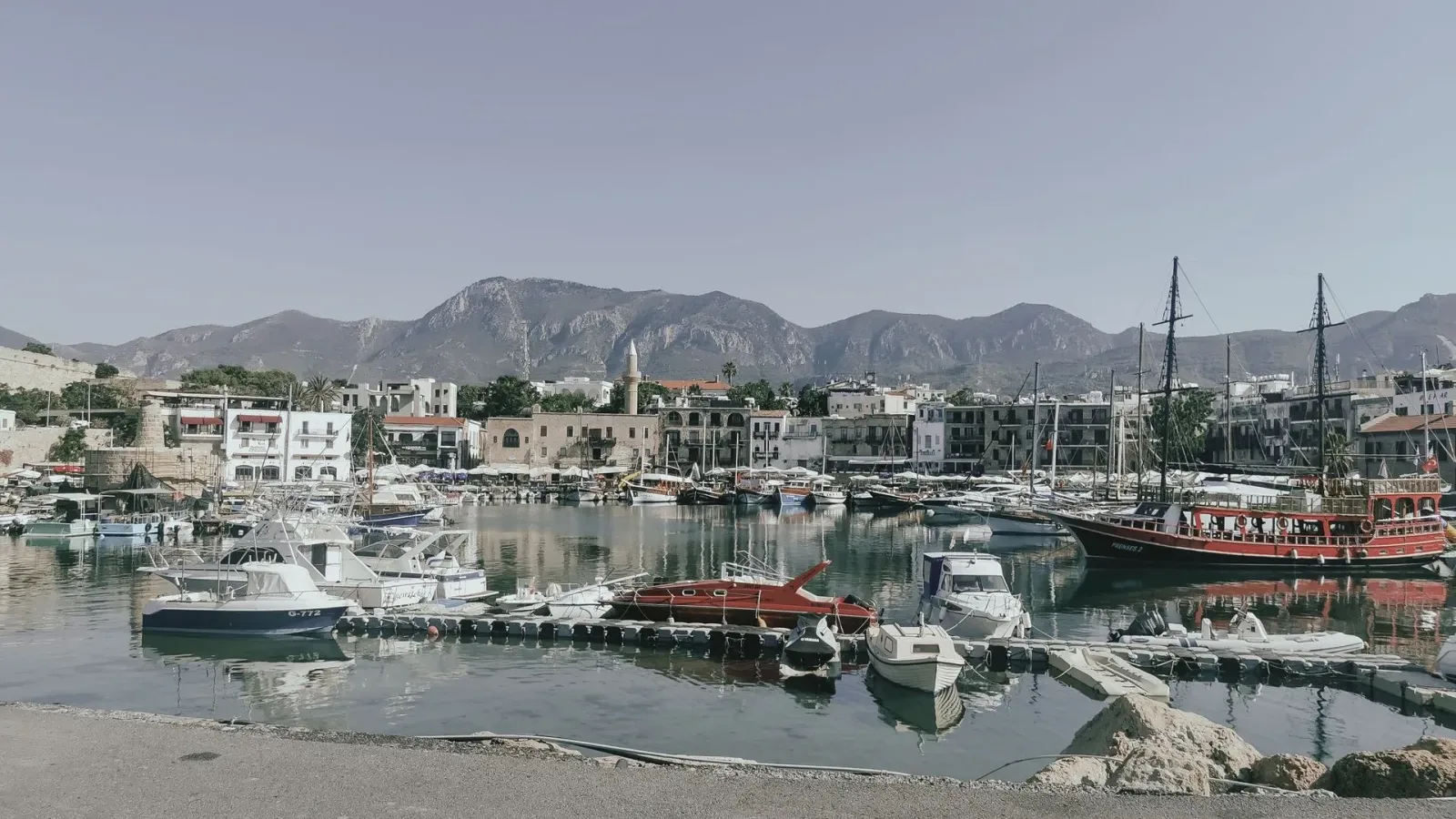
Towns behave differently. Kyrenia stays properly awake through winter, with shops, restaurants and a resident population that does not go anywhere. Nicosia and Famagusta carry on entirely as normal.
Driving is the one genuine hazard. Sudden heavy rain on roads with poor drainage produces standing water, and mountain routes can be unpleasant in a downpour. Nothing dramatic, but allow more time and do not assume the road you know in July behaves the same way in December.
And the pleasant surprises: the walking and cycling season is winter, not summer. The mountains are at their best. Restaurants have tables. Everything you wanted to see is uncrowded.
Why you should view in winter
If you take one thing from this article, take this. A property seen only in August tells you almost nothing about how it performs the rest of the year.
A winter visit reveals which rooms never get sun, whether the terrace is usable or wind blasted, how the complex feels when the holiday lets are empty, whether the road floods, whether the restaurants near you are open, and how cold the floor is at eight in the morning. None of that is visible in July.
It is also a better time to buy in practical terms. There are fewer competing buyers, agents and lawyers have more time for you, and sellers who have not moved a property over the summer are more willing to talk about price.
We tell buyers this even though a winter viewing trip is a harder sell than a summer one. If you are serious about living here rather than holidaying here, come in January and let us show you the same shortlist you liked in the photographs. The homes that still look good in the rain are the ones worth buying.