The invoice that explains nothing
Most owners meet their service charge as a single number with a vague label. There is no breakdown, no comparison with last year, and no explanation of why it moved.
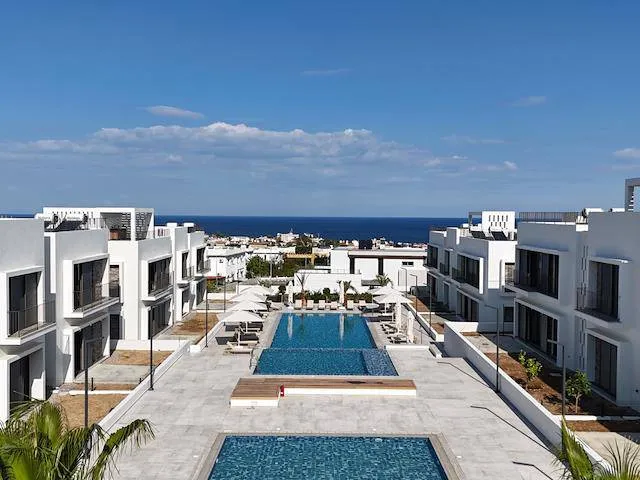
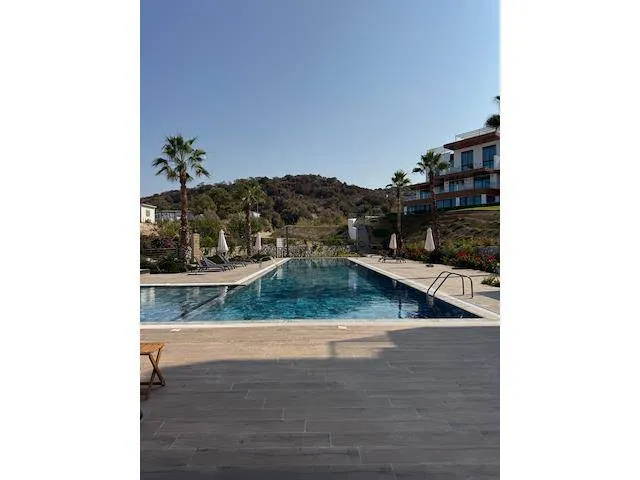
The charge is what pays to run everything you do not own privately: the pool, the lifts, the gardens, the lighting, the security, the cleaning of anything shared, and whoever administers all of it. It is a normal and necessary cost. What is not normal is being unable to see what it buys, and that is a question you are entitled to ask.
How the number is arrived at
Almost always per square metre. The site sets an annual budget, divides it across the total saleable area, and your share is your internal area multiplied by that rate.
Two consequences follow, and both surprise people.
First, a larger apartment pays proportionally more for a pool it uses identically. Second, and more importantly, your charge is driven by the size of the budget and the size of the development, not by your own usage. A small site with a large pool and a gym has fewer owners to spread the cost across, so the rate per square metre is higher even though the facilities are the same.
When comparing two properties, compare the rate per square metre and what it includes, not the annual totals. Two figures that look similar can be paying for completely different things.
A low service charge is not automatically good news. It usually means the pool is being maintained on a budget that assumes nothing will ever break.
What it typically covers, and what it typically does not
| Usually inside the charge | Usually billed separately |
|---|---|
| Pool cleaning, chemicals and plant | Your own electricity and water |
| Communal gardens and irrigation | Municipal taxes on your property |
| Lift servicing and inspection | Repairs inside your own apartment |
| Communal lighting and its power | Building insurance for your contents |
| Security or gate staff, where present | Major works, if a separate levy is raised |
| Management and administration | Anything your own tenant causes |
The right hand column is where arguments start. Ask specifically whether the charge includes buildings insurance for the structure, because owners often assume it does and discover otherwise at the worst moment.
Why it rises, and when a rise is legitimate
Service charges go up. The question is whether the reason is a real one.
Legitimate. Electricity costs more, which shows up immediately in pool pumps and communal lighting. Wages rise. Equipment reaches the age where it needs servicing rather than checking. A site that was half empty is now fully occupied, so the pool is used properly and the gardens are watered.
Worth questioning. A rise with no budget attached. A rise the year a new management company arrives, with no change in what is delivered. A charge that has never risen at all for several years, which usually means maintenance is being deferred and a large bill is accumulating out of sight.
That last point is the counterintuitive one. Owners celebrate a static charge. Very often it means the lift has not been serviced properly and somebody, eventually you, will pay for that in one lump.
The questions that get a real answer
Ask these in writing, before you buy and once a year afterwards.
- What is the current rate per square metre, and what was it two years ago?
- Can I see the annual budget and the actual spend against it?
- Is buildings insurance for the structure inside the charge or not?
- Is there a reserve fund for major works, and how much is in it?
- What is the collection rate? A site where a third of owners do not pay will come back to those who do.
- Who decides the budget, and do owners get a vote?
- What happened the last time something significant broke, and how was it funded?
The last two tell you the most. A development where owners have a say and a reserve fund exists behaves very differently over ten years from one where a single company sets the number and spends it unobserved.
On any property we list we will get you the current rate, the two year history and a straight answer about the reserve fund before you reserve. Where a site will not provide it, that refusal is itself information, and we will tell you that too.