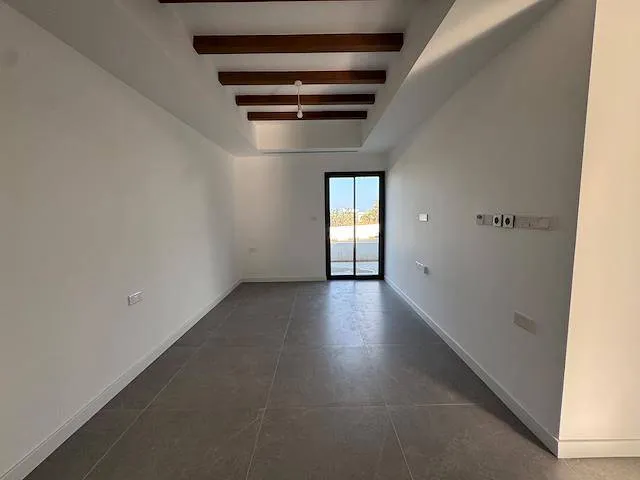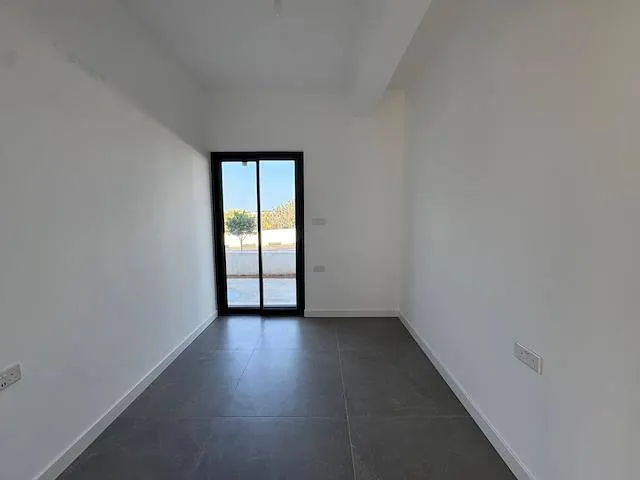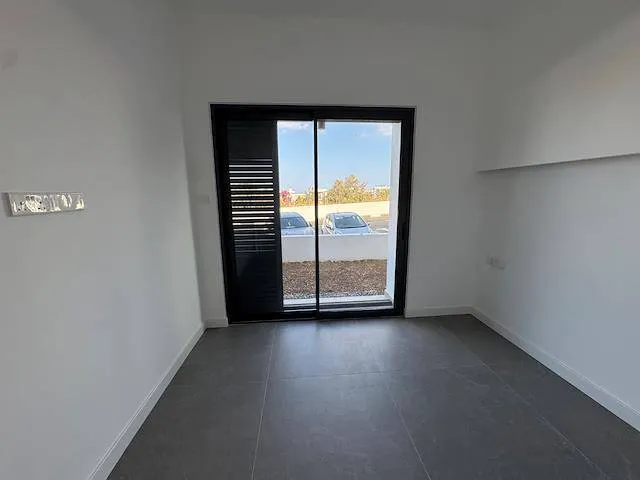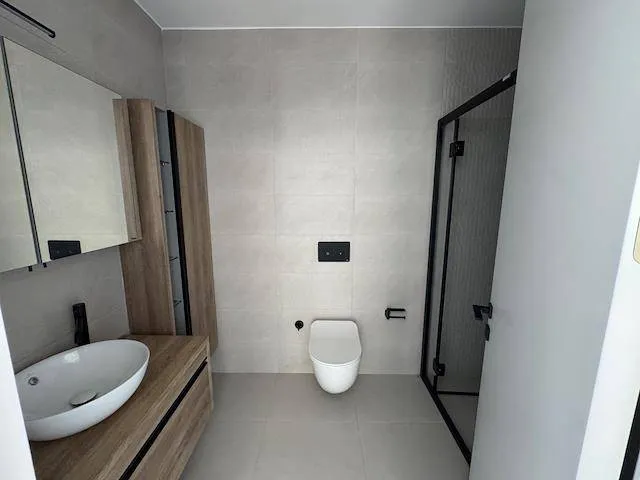


Owners sell for ordinary reasons
Nobody plans an exit while they are choosing tiles. Yet a decade later the reasons stack up quietly and sensibly: the children settled somewhere else, a health matter that makes Germany the easier base, a holiday flat that was used four weeks a year and paid fees for fifty two, or the simplest reason of all, that the property did its job and something better has appeared two bays along.
None of that is a failure. Resale is a normal part of owning abroad, and the owners who handle it calmly are the ones who understood in advance that selling here works differently from selling a flat in Hamburg. It is not harder. It is slower in different places, and the delays sit where a German seller does not expect them.
Your file decides your sale
Here is the part almost nobody tells buyers. The speed and the price of your future sale are largely fixed by the quality of the paperwork you accepted at purchase. A property with a clean, individual title deed already in the owner's name is a straightforward product. A property still sitting on a sales contract, with the deed held by a developer and permission never completed, is a different and slower proposition, and buyers price that difference in.
Before you speak to anyone about listing, put the file together:
- The title deed, if it has already transferred into your name, and the deed type
- Your original sales contract and every addendum, in the language it was signed in
- Proof that the contract was registered at the Land Registry, and the stamp duty receipt
- Your purchase permission file and its current status if the transfer never completed
- Paid up bills for electricity, water, communal fees and any municipal charges
- Habitation or completion documentation for a newer building, plus any site plan
- Anything you added after purchase: a pool, an extension, a closed terrace, with whatever approval exists for it
Gaps in that list are not fatal. They are simply the first thing a serious buyer's lawyer will find, and it is far cheaper to fix them before a price has been agreed than during the awkward silence afterwards.
The paperwork that decides how easily you sell was created on the day you bought. Most owners only discover that at the end.
Pricing a resale honestly
Resale sellers are competing against something a German seller usually is not: a live new build market with payment plans, incentives and a show apartment that smells of fresh paint. Your advantage is that your home exists, can be walked through today, and often sits in an established complex where the landscaping has grown in and the neighbours are known.
Two things decide your price more than anything else. What the buyer can verify, and what they cannot copy.
| Lifts your price | Holds it back |
|---|---|
| Individual title deed in your name | Deed still with a developer, or permission unresolved |
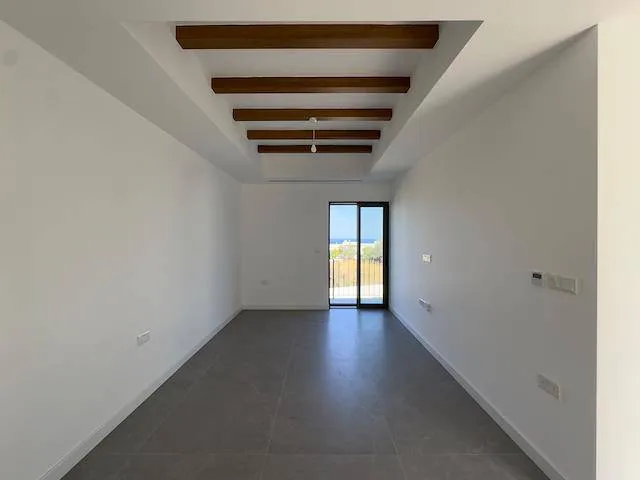
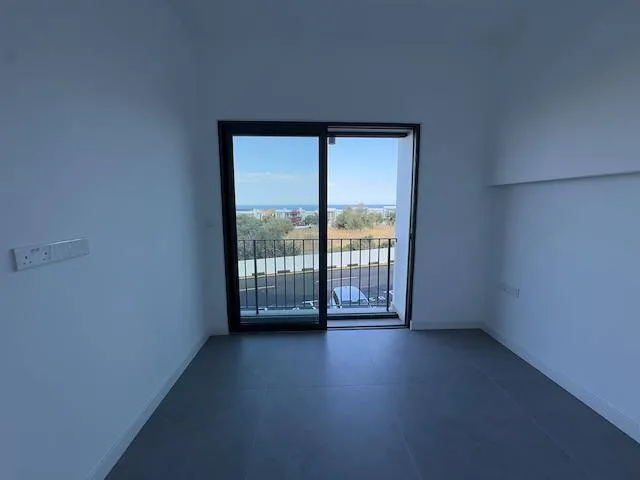
| A view or a position that cannot be built out | An open plot in front of you that will one day be built on |
| Well run complex with visible maintenance | Unpaid communal fees or a site in visible decline |
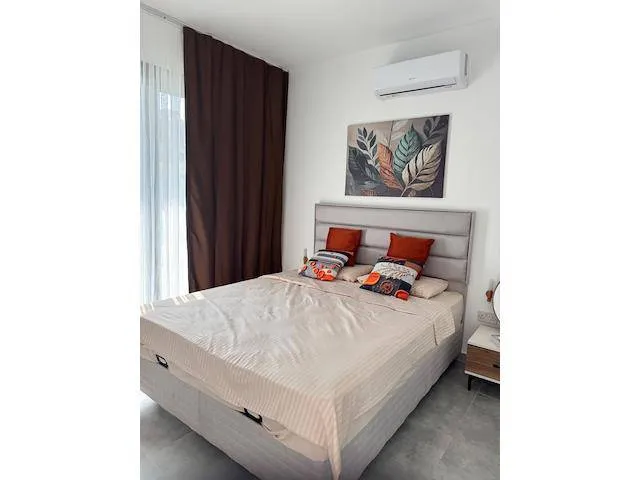
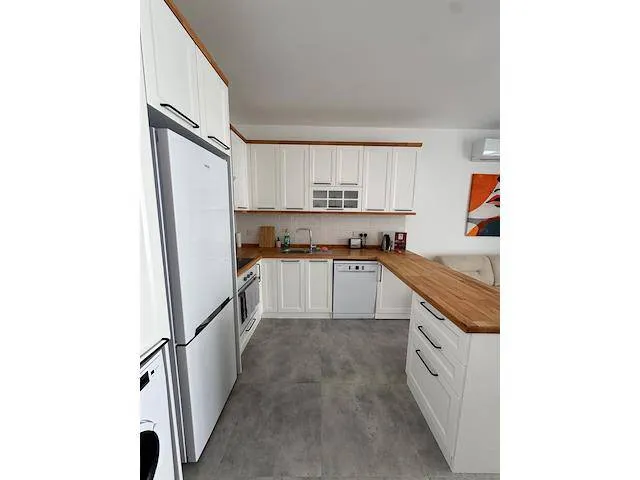
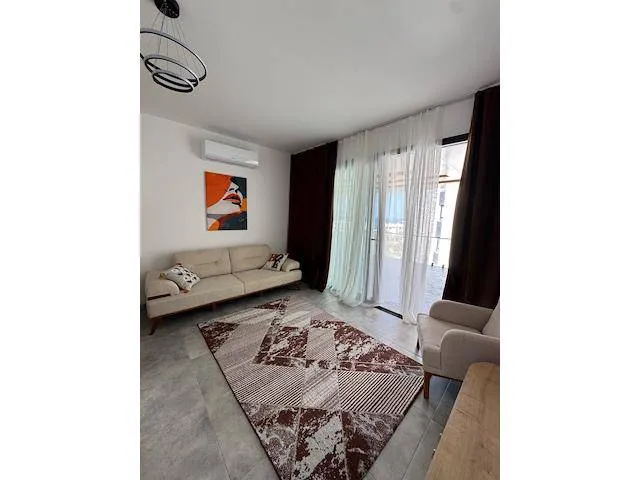
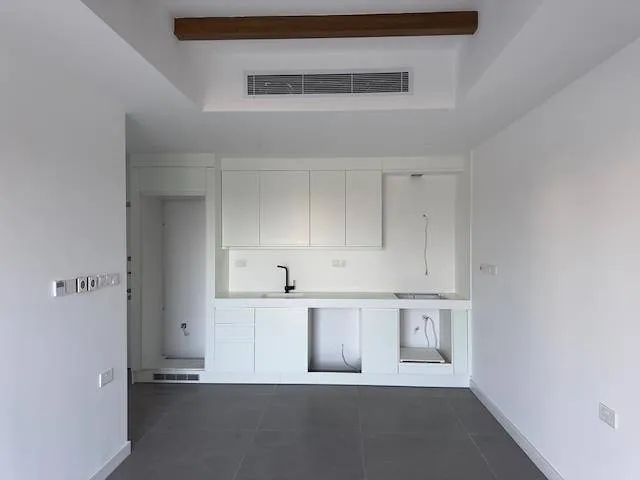
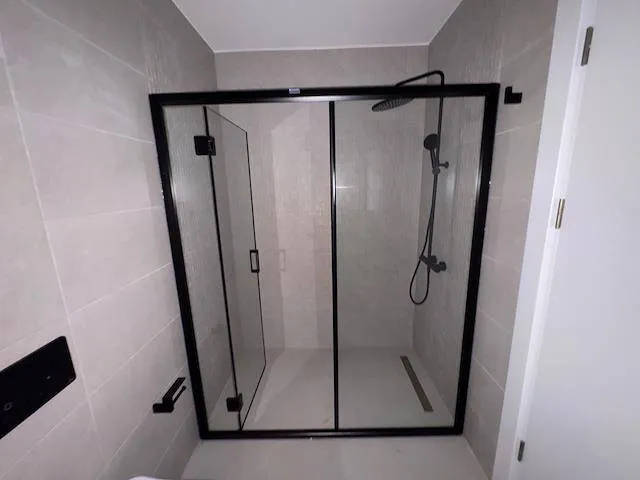
| Furnished to a standard the buyer can move into | Tired kitchens, dated bathrooms and worn air conditioning |
| Documented additions with approval | Undocumented building work the buyer must inherit |
Be careful with the number in your own head. Owners tend to anchor on the price of the newest launch nearby, forget that the launch price includes furniture packages and staged payments, and then wonder why viewings do not convert. A resale that is priced against comparable resales sells. A resale priced against next year's off plan brochure sits.
What the exit actually costs
Treat the figures below as planning ranges to build into your expectations, not as quoted amounts. Rates, thresholds and exemptions in North Cyprus change, and they change without much warning. Ask your lawyer to confirm every line in writing before you accept an offer, because a surprise on the seller's side is what turns a smooth sale into a renegotiation.
| Cost | What to plan for |
|---|---|
| Agency commission | A percentage of the agreed sale price, normally with VAT on top. Agree the rate, the exclusivity and the marketing in writing before you list |
| Seller's disposal tax | Applies on sale. Individuals can use a limited number of exemptions in a lifetime, so ask early whether yours is still available |
| Legal fees | Usually smaller than on the purchase side, but you still want your own lawyer rather than the buyer's |
| Clearing the file | Outstanding utilities, communal arrears, any late registration or missing approval you now need to put right |
| Getting the money home | Bank charges and the exchange rate spread on the way out. On a six figure sale this is a real number, not a rounding error |
Note which side of the table the buyer pays and which side you pay, and put it in the contract. Transfer fees and stamp duty are normally buyer costs here, but the assumption is worth writing down rather than leaving to good manners.
The transfer, and why timing bites
If your deed is already in your name, the sale follows a recognisable path: agreement, contract, deposit, then a transfer at the Land Registry once the buyer has cleared their own permission and payment stages. The one thing to accept early is that a foreign buyer purchasing from you may need their own purchase permission before the deed can move, and that process is not fast. Sensible sellers write a realistic timetable into the contract rather than a hopeful one.
If your deed has not transferred yet, you are usually not selling a property at all. You are assigning your rights under a contract. That is normal here and done regularly, but it needs the developer's consent, often carries a transfer or administration fee, and gives the buyer a slightly more complicated thing to buy. Expect to answer more questions and to hold a slightly softer price.
One practical warning. Do not sign anything that hands over keys, access or possession before the money and the documentation line up. Friendly, informal arrangements are the single most common source of resale disputes we see, and they are all avoidable with one firm sentence in a contract.
Selling one place to buy a better one
A good share of the sellers we work with are not leaving the island. They are correcting an earlier decision. They bought a two bedroom flat off a brochure before they had ever spent a February here, and now they want a ground floor with a garden, or a village position ten minutes inland, or simply somewhere they can walk to a bakery.
If that is your situation, sequence it deliberately. Get your own file clean, agree a realistic asking price, and start looking at what your net proceeds actually reach before your flat is under offer, not after. Owners who begin their search late end up either accepting a weak offer to chase a property they have fallen for, or losing the property while they wait.
We are happy to do the unglamorous half of this with you: reviewing your deed and contract file, telling you honestly where your property sits against current stock, and putting a shortlist in front of you that matches what the sale will realistically release. If you are weighing up an exit this year, send us the address and the year you bought, and we will tell you what we would fix first.