


The quiet month before the letters
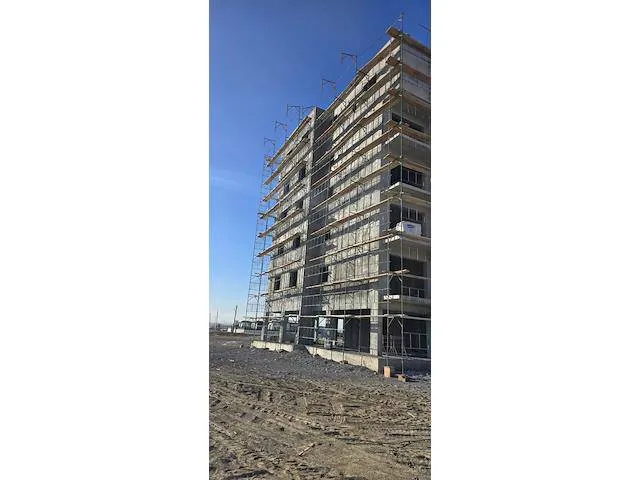
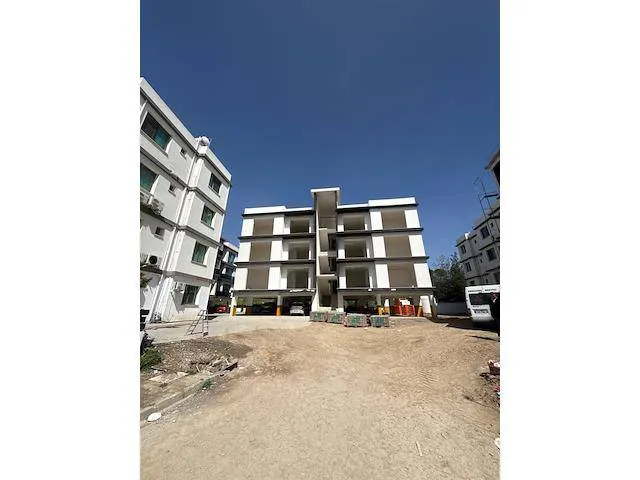
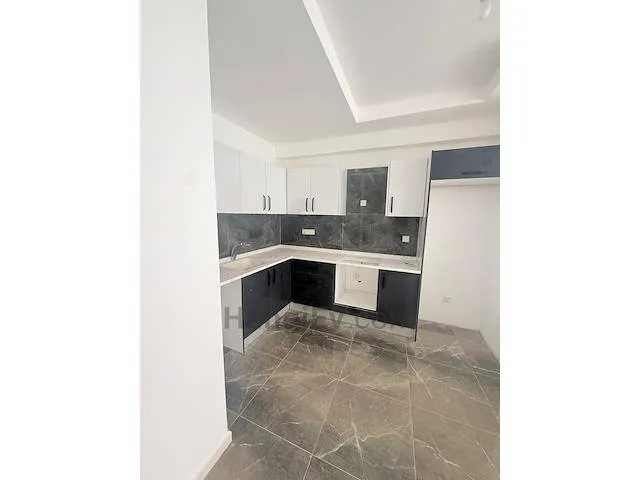
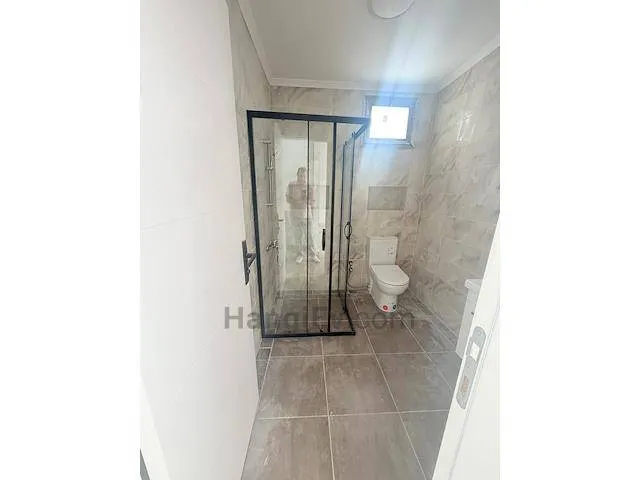
Buying off plan has a strange rhythm. For a year or two the project exists for you as monthly progress photos, bank receipts and the occasional site visit in a hard hat. Then the crane comes down, the hoardings shrink, and the project stops being a construction site and becomes an address.
What follows is not one event but a short season of correspondence. Five letters, sometimes emails, sometimes a message from the sales office, arrive over a few weeks. Each one reads like administration. Each one actually moves money, risk or rights from one side of the relationship to the other. Buyers who know what each letter triggers sail through this season. Buyers who treat them as paperwork sign away small but real positions without noticing. Here is each letter, what it sets in motion, and the one check worth making before you act on it.
Letter one: the completion notice
The first letter announces that the development is complete and usually calls in the final instalment. Before the money moves, slow down for one question: complete according to what? Your contract defines what completion means for your unit, and that definition, not the letter, is the standard. A building can look finished while the paperwork that makes it lawfully usable is still in motion.
So the single check here: ask your lawyer to confirm that whatever your contract requires for completion has actually happened before you release the final payment. If the contract ties the last instalment to specific conditions, hold to them politely and in writing. This is not hostility. Developers work to checklists at completion time, and a buyer who refers to the contract gets a checklist answer rather than a debate.
The defects clock usually starts when the development completes, not when you move in. Two dates in writing now are worth more than any argument later.
Letter two: the final account
The second letter is a statement of what is left to pay, and it rarely matches the number in your head. It may include contract price balance, agreed extras, and connection or deposit amounts for utilities. Some of these belong there. The check: compare every line against two documents you already hold, the payment schedule in your contract and the written list of extras you actually ordered. Anything that appears on the account but not in those two places is a question, not a bill.
Ask the questions before paying, because money is easier to discuss while it is still on your side of the table. And keep the final account with its receipts forever. It becomes part of the cost base of the property, which matters again years later when you sell.
Letters three and four: the handover invitation and the management handover
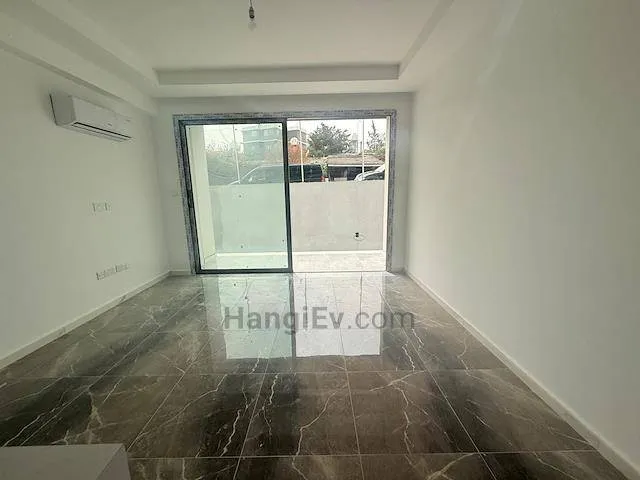
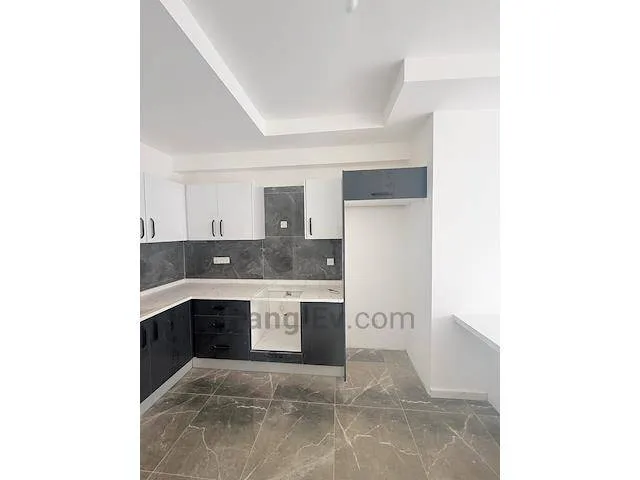
The third letter proposes a handover date for your keys. Treat that appointment as a working day, walk the property before signing anything, record meters and serial numbers, and put every open snag in the protocol with a deadline. We have written a whole hour by hour guide to that day, and everything in it applies doubly in a freshly completed development, where every unit around yours is generating its own snag list at the same time.
The fourth letter concerns the site itself: management is being handed from the construction company to whoever runs the completed development, sometimes a management firm, eventually the owners. This letter deserves more attention than it gets. It sets the first real service fee, names the people who will actually fix things, and marks the moment site rules stop being a document in a drawer and start being enforced. Read the budget behind the fee, ask what the developer pays for its unsold units, and note who owns the pumps, tanks and generator the site depends on.
Letter five: the warranty schedule
The last letter, and the one most often missing until you request it, sets out the defects liability position: what the developer remains responsible for, and for how long. The detail that matters is the start date. The defects clock usually starts at completion of the development, not on the day you personally move in. A buyer who furnishes the apartment eight months later has not gained eight extra months of cover.
The check is simple and worth an email: ask for the start and end dates of the defects period in writing, together with the procedure for reporting a defect. Then put a reminder in your calendar one month before the period ends, and walk the property against your snag list one final time while claims still cost nothing but a message.
What no letter announces, and the file to build
A few changes arrive silently with completion. Service fees start whether or not you have moved in. Responsibility for insuring the unit passes to you at handover under most contracts. The site's character begins to shift as owners arrive, and the internal resale market quietly opens, because from completion day onward your unit competes with its neighbours, not with a floor plan.
Our suggestion is one thin folder, started the day the first letter arrives:
- The completion notice, and your lawyer's confirmation that contract conditions were met
- The final account, matched against the payment schedule and your extras list
- The signed handover protocol with meter photographs and the snag deadlines
- The management letter with the first budget and fee start date
- The warranty schedule with its two dates, plus your calendar reminder
That folder is the completed development, reduced to what you can hold. If your project is approaching this season, talk to us before the first letter lands. We have stood in this exact month with many buyers, and the order in which you answer the letters is half the outcome.