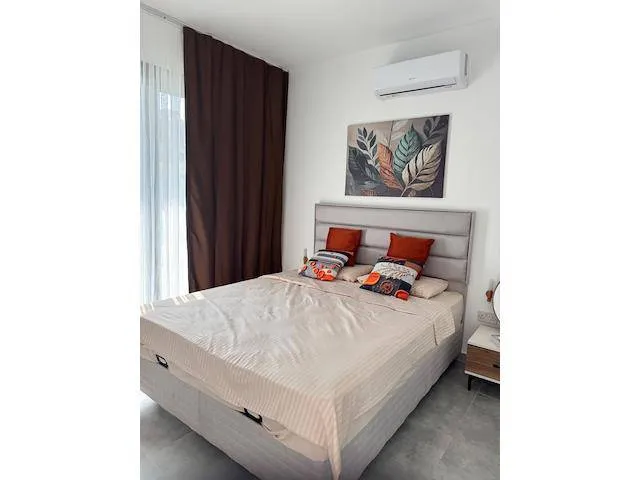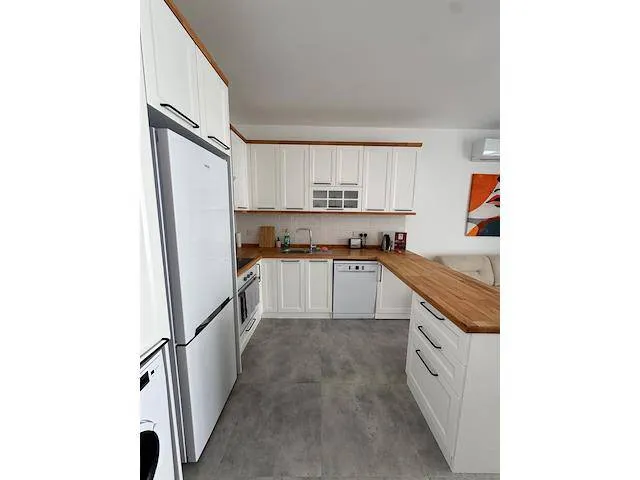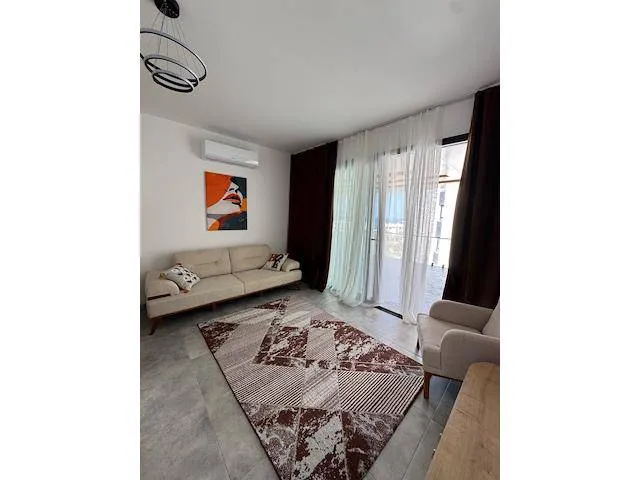



A day that rewards a timetable
Most buyers remember their handover day as a blur: a warm welcome at the site office, a folder of papers, a bunch of keys, photographs by the door. Twenty minutes, several signatures, done. The developer remembers it differently. For the developer, handover is the moment obligations narrow sharply, because from this day on, most of what you find wrong becomes a warranty conversation instead of a delivery condition.
That is why the single most useful thing you can do costs nothing: treat handover as a working day with a timetable, and put the inspection before the signature, not after it. The hours below are how we structure the day when we attend a handover with a buyer. Shift the clock to suit your appointment, but keep the order. The order is the point.
09:00, walk the rooms before any paper
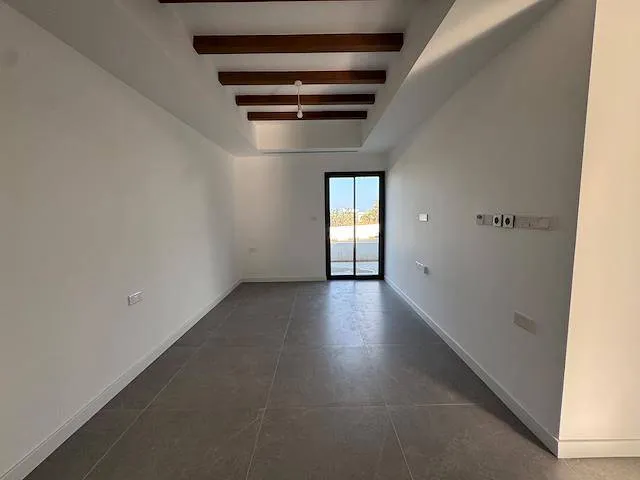
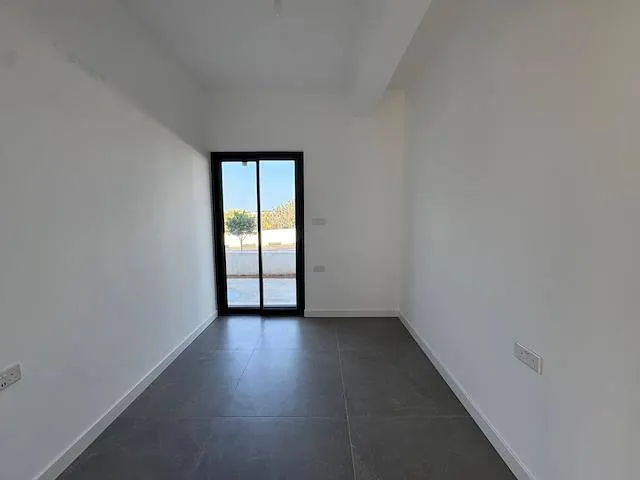
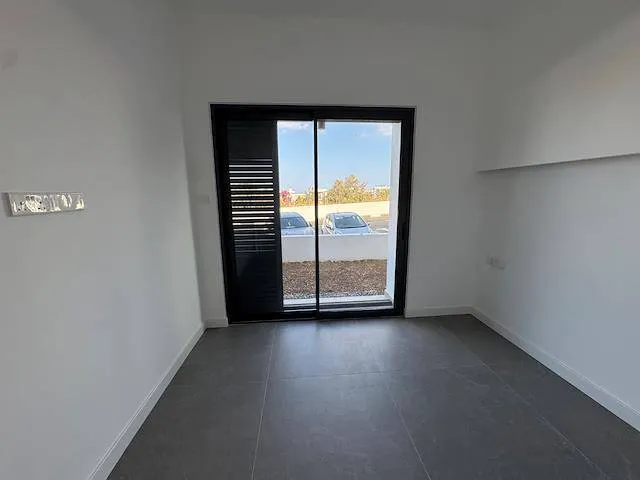
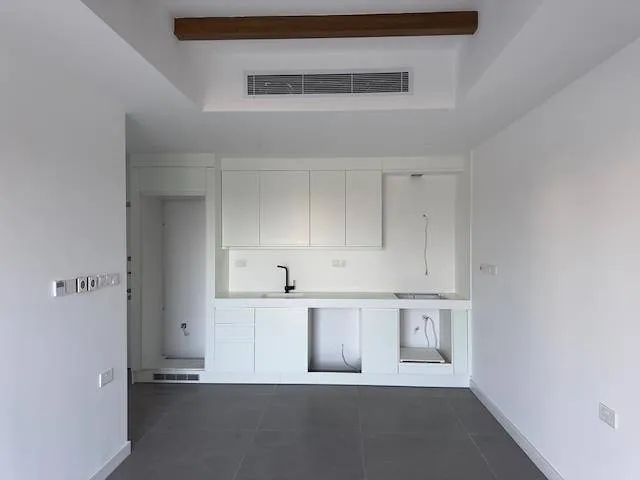
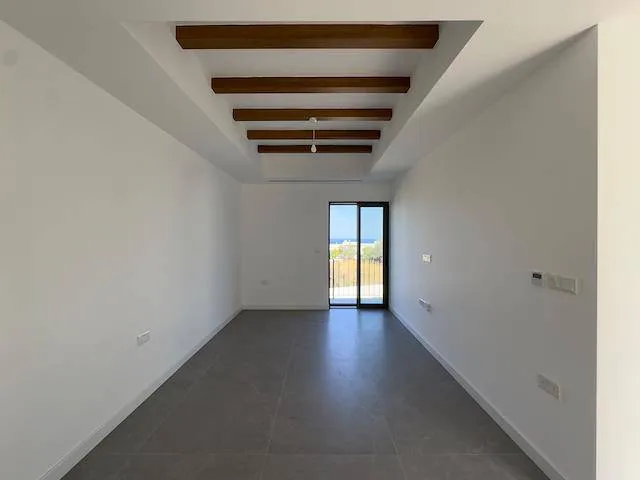
Arrive with the snag list from your last visit and walk the property room by room before anyone opens a folder. Morning light is your ally here: low sun across a tiled floor shows scratches, uneven grout and paint shadows that a midday viewing hides.
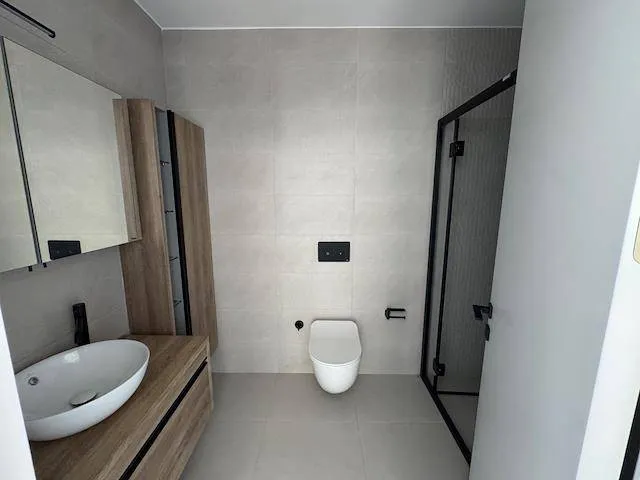
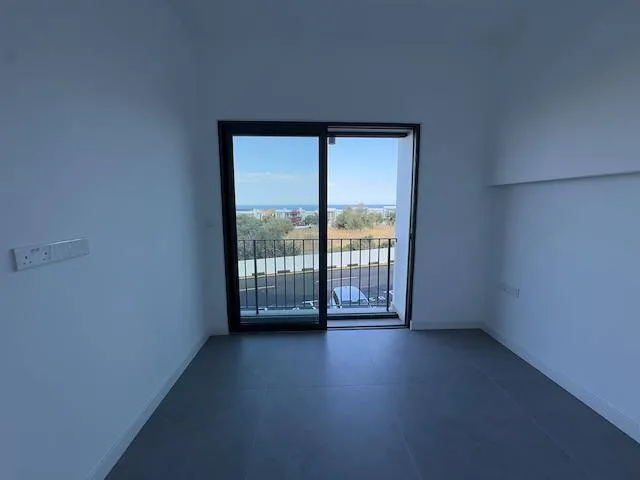
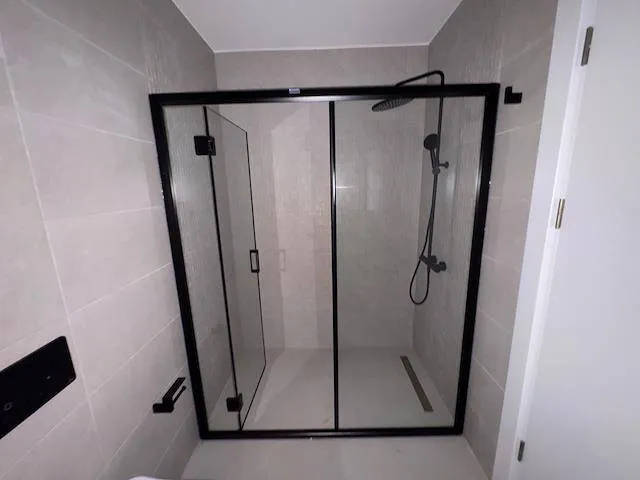
Test everything that moves or flows. Every tap, both hot and cold. Every drain, including the shower while it runs a few minutes. Every window and door, opened, closed and locked. The air conditioning in both heating and cooling mode, in every room that has a unit. The water heater switched on and left to work while you continue. Doorbell, intercom, every socket if you have brought a plug-in tester.
Mark each fault with masking tape as you find it and note it on the list. Do not let politeness hurry you. An hour and a half spent here is the cheapest labour you will ever buy, because after today, every one of these items competes for attention with a construction crew that has moved to the next project.
Handover is not the finish line. It is the day the property starts telling you the truth about itself, and the only day the developer is contractually required to listen.
11:00, meters, serials and photographs
Now photograph the property into the record. Every meter, close enough that the reading and the meter's own serial number are both legible in one frame. These photographs anchor the opening balance for electricity and water in your name, and they end any later argument about consumption before your time.
Then do the thing almost nobody does: photograph the manufacturer plates on the air conditioning units, the water heater and any appliances that came with the property. Warranty claims stand on serial numbers matching purchase records. If a compressor fails in month eight, the photograph you take now is the difference between a covered repair and a debate.
Count what you are handed. Keys for every door, window keys where fitted, remotes for gates and garages, fobs for the pool or the site entrance. Write the counts into the protocol. Missing key number three surfaces at midnight in October, never at handover.
12:30, the handover protocol
The handover protocol is the document of the day. Before you sign it, check that it carries four things: the date, the meter readings you photographed, the exact count of keys and remotes, and every open snag from the morning with a named deadline for each. A protocol that says the property was received in perfect condition is not a formality, it is a statement you will be held to. If snags exist, they belong on the paper.
Two distinctions matter here. First, handover is not title transfer. The deed follows its own path with its own steps and its own timing, and nothing you sign today replaces that process. Second, there is a difference between cosmetic snags, which belong on the list with deadlines, and a major failure, such as no water supply or a non-functioning electrical installation. If the morning test found something in the second category, postponing handover is a contractual position, not rudeness. A short delay now is cheaper than accepting delivery of a property that does not yet work.
14:00, the afternoon of names
With the protocol signed, the afternoon belongs to administration, and it is worth doing on the same day while every document is in your bag. Electricity goes into your name at the supplier's office, usually with a deposit and the meter photograph you already have. Water is handled at the municipality for most sites. Amounts and required papers change, so confirm the current requirements at the counter and keep every receipt.
Call at the site office as well, or the managing agent if the site has one. You want three things in writing: the date your service fee obligation starts, a copy of the site rules, and the direct contact for whoever actually fixes things. This is also the moment to ask your lawyer one precise question: from which day does risk in the property pass to you under your contract. Insure the property from that day. For most buyers that day is today.
17:00, the first evening test
If you can, stay into the evening. A property behaves differently at night. Run the water heater through a full cycle and take a real shower, not a hopeful half-test of warm water at the tap. Cool or heat the bedroom properly and listen to the unit. Switch on every external light. Sit for ten minutes with the windows closed and hear what the building sounds like: lifts, pumps, the pool plant room, the road.
None of this is pessimism. Faults found in the first week land completely differently from faults found at month six, in warranty terms and in goodwill terms. The developer's team is still on site, still responsive, still invested in a clean handover list. You are simply meeting the property honestly while the people who built it are still in the room.
What to have in your pocket
The whole day fits in one small bag:
- Passport, and a copy of the sales contract with your payment receipts
- The snag list from your previous visit, printed
- A charged phone for photographs, plus a power bank
- A cheap plug-in socket tester, bought at any hardware store
- Masking tape and a marker for flagging snags
- An empty folder for everything you are handed, protocols, manuals, warranty cards
- Your lawyer's number, saved and tested
If your handover date is already set, send it to us. We attend handovers with our buyers, we bring the checklist and the language, and we know which items belong on the protocol before it is signed. It is the one appointment in the whole purchase where an experienced second pair of eyes pays for itself by lunchtime.