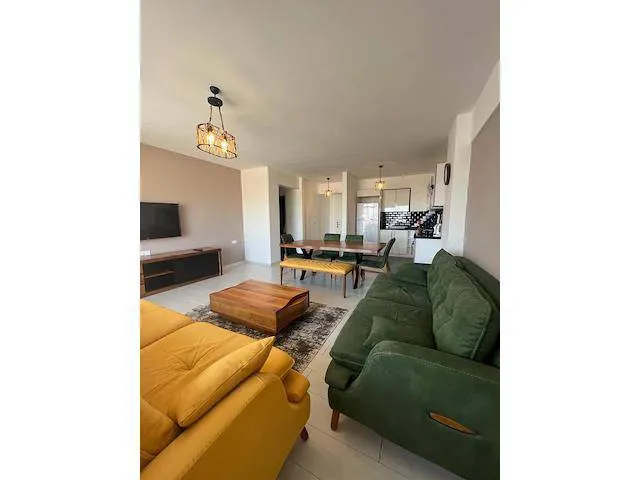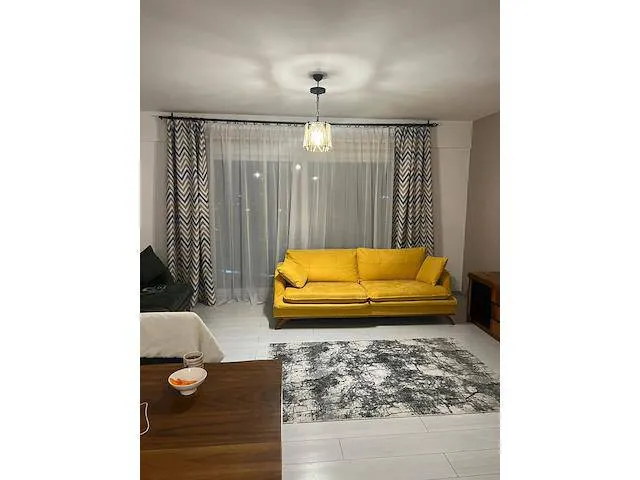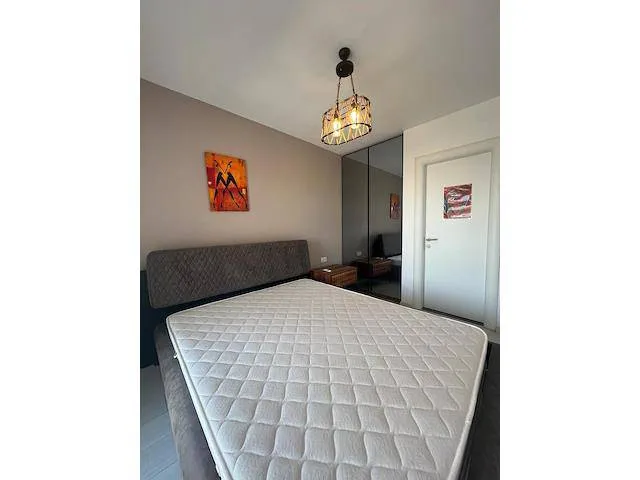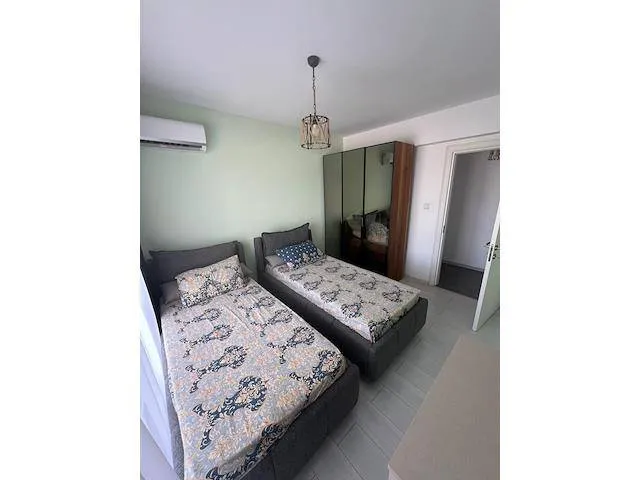



One apartment, two businesses
An owner who lets a coastal apartment here is not running one operation. They are running two, and the two behave nothing alike.
From roughly June to September the property works as a holiday let. Nightly rates are at their highest, the guest stays a week, and the flat turns over four times a month. From roughly November to April the same property works as a long stay rental for a resident, a student family or someone waiting on their own build. The rate per month drops sharply, the tenant pays their own utilities, and you change the sheets once.
Both can work. Owners get into trouble when they price the whole year off the July rate, and when they forget that the summer rate carries the summer workload.
What each season actually looks like
| Summer holiday let | Winter tenancy | |
|---|---|---|
| Typical stay | Five to ten nights | Three to nine months |
| Rate | Highest of the year | Well below the summer equivalent |
| Changeovers a month | Three or four | Effectively none |
| Utilities | You pay, including summer air conditioning | Tenant pays |
| Booking fees | Platform commission on every stay | None, or one finder fee |
| Wear on the property | High, and visible within two years | Low to moderate |
| Empty weeks | Few if the listing is good | The risk sits in shoulder season |
Read the two columns together rather than separately. A blended year, some summer weeks at a strong rate and some winter months at a modest one, is what an honest projection looks like. A spreadsheet built on fifty two weeks of August is not a projection, it is a wish.
Gross rent is a headline. Net rent is a business. The gap between them is where most first time landlords get their education.
The costs nobody puts in the brochure
Ask any owner two years in and they will list the same items, usually in the same slightly weary tone.
- Changeover cleaning and linen. Charged per turnaround. In peak season this is a monthly cost, not an annual one.
- Platform commission. A percentage of every booking, taken before the money reaches you.
- Site or communal fees. Charged whether the flat is full or empty, and usually calculated per square metre.
- Summer electricity. Guests run the air conditioning day and night. On a holiday let this is your bill.
- Replacement. Towels, bed linen, kitchen equipment, garden furniture and the sofa. Holiday use ages a flat faster than living in it does.
- Empty weeks. Not a cost on paper, but the fastest way a good yield turns into an average one.
None of these is a reason not to let. They are the reason to run the numbers on net rather than gross before you buy.
Self managing from Germany is a job, not a hobby
It is genuinely possible to run a holiday let remotely, and some owners do it well. Be honest with yourself about what it involves. Guests message at midnight. A boiler fails on a Sunday. A cleaner is ill on a changeover day in August. Someone has to hold keys, meet an early arrival, and decide whether the marble scratch was there before.
Owners who make remote management work usually have three things: a reliable cleaner they pay properly, a handyman who answers the phone, and a neighbour or friend on the island willing to be the emergency pair of hands. If you cannot name all three, you are not self managing, you are hoping.
What a management company charges, and what it should include
Fees here are usually structured one of two ways: a share of rental income, or a fixed monthly retainer plus per service charges. Neither is automatically better. What matters is what sits inside the fee and what gets billed on top.
Before you sign, get the answers in writing.
- Is the fee taken on gross booking value or on what actually lands in your account after platform commission?
- Are changeover cleaning and linen inside the fee or extra?
- Who pays for a repair under a set amount, and what is that amount?
- How often do you receive a statement, and does it show each booking individually?
- Who holds the keys, and how many sets exist?
- What happens to your booking calendar if you want three weeks in the property yourself?
- What is the notice period if the arrangement is not working?
Compare two or three firms rather than taking the first name your seller offers. A company that answers all seven questions in writing without hesitating has told you most of what you need to know about how the next five years will go.
Which properties let well, and which sit quietly empty
The listings that earn are rarely the most expensive ones. They are the practical ones.
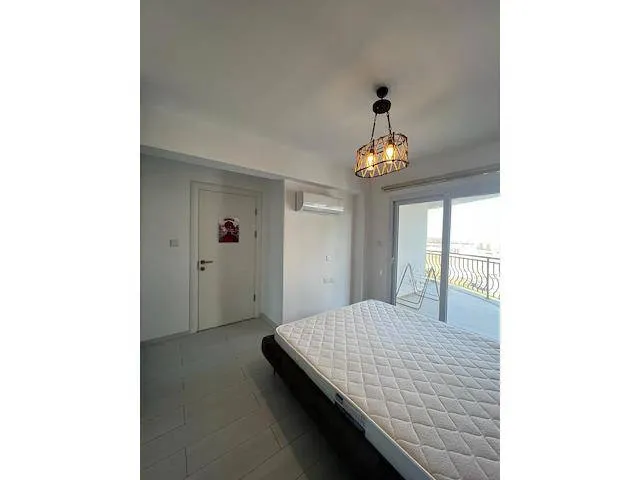
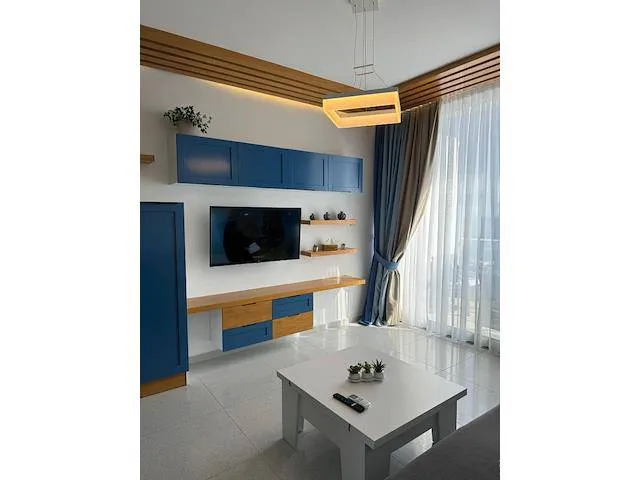
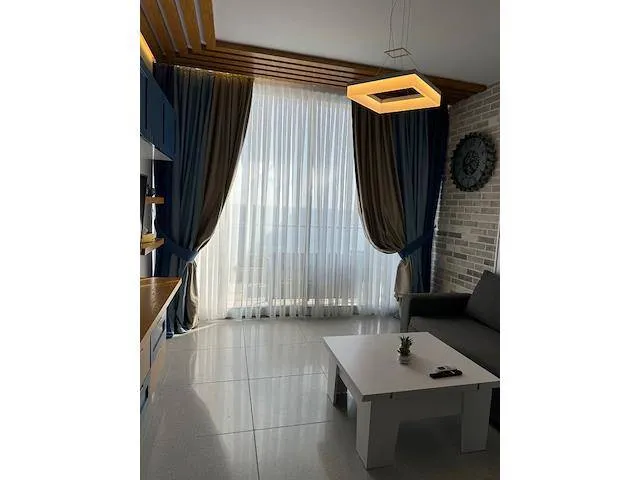
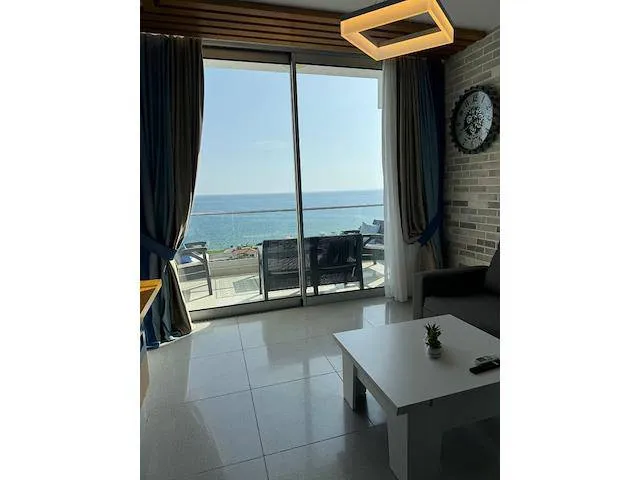
Guests book a walkable location, a genuine pool, a lift if the flat is above the second floor, air conditioning that works in every room, fast internet and photographs that match reality. A one bedroom near a busy stretch with a shared pool will usually out earn a larger unit twenty minutes from anywhere, because the larger unit only sells in August while the small one sells from May.
Long stay tenants want something different again: storage, a proper kitchen, a parking space, and a landlord who fixes things. If you want the property to work in both seasons, it has to satisfy both lists.
This is worth saying plainly, because it changes what you should shortlist. If income is part of your reason for buying, tell us that at the start. It moves the search away from the biggest terrace you can afford and towards the unit that fills its calendar.
Before you buy for income, ask these
Take these to the viewing rather than to the contract.
- What did this specific unit, or the one next door, actually book last year? Ask for the calendar, not a percentage.
- What is the site fee this year, and what was it two years ago?
- Does the site permit short term letting at all? Some do not, and finding out afterwards is expensive.
- What is the realistic winter rate in this building, from someone who is not selling you the flat?
- How far is the nearest supermarket, beach and restaurant on foot, in minutes rather than adjectives?
We are happy to answer all five for any listing on this site, including where the answer is unhelpful. A property that only works in August is still a fine holiday home. It is just a different purchase from the one some buyers think they are making.