


The question every first conversation reaches in ten minutes
Almost every first conversation we have arrives at the same point within minutes: how do people actually pay for this? Buyers from Germany bring a mental model built at home, where a purchase means a bank, a valuation and a mortgage running twenty years or more. North Cyprus does not work that way, and pretending otherwise is where bad decisions start.
In practice there are three routes. Most buyers of new builds pay the developer in instalments. A minority borrow from a local bank. And a significant group arrive as cash buyers, often after arranging money at home first. Each route has a real cost, a natural type of buyer and a characteristic risk, and the honest comparison is worth more than any brochure sentence about easy payment plans.
Developer instalments: the standard instrument
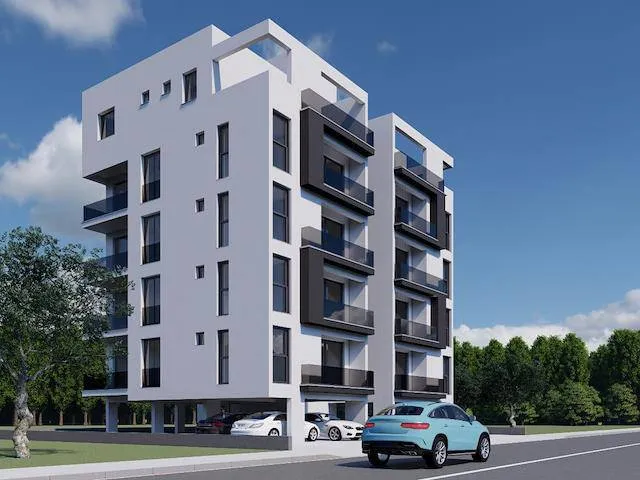
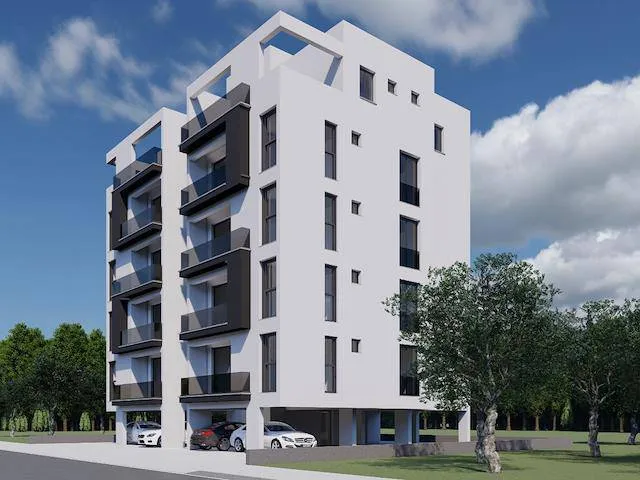
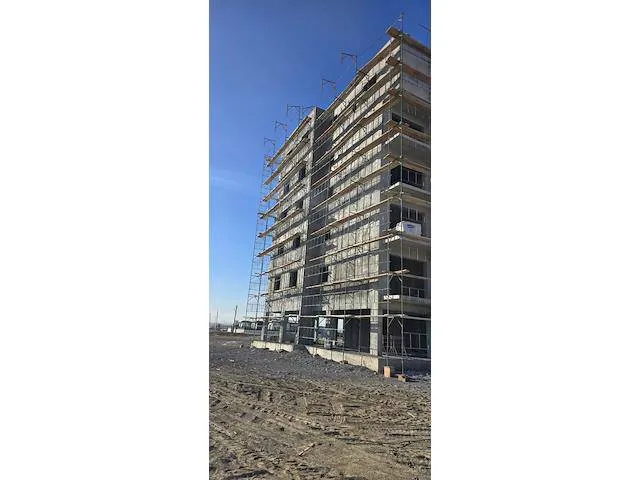
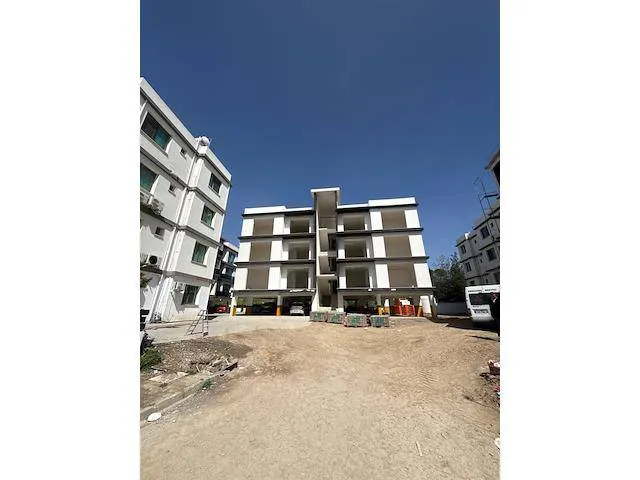
For property under construction, the developer's own payment plan is the dominant way to buy. The pattern is familiar across the island: a reservation fee of a few thousand euros takes the unit off the market, a larger entry payment follows at contract signing, and the balance is spread over the construction period, either against building stages or simply against the calendar. During the build these plans are typically interest free, which is the genuine attraction. The developer is financing construction with your money, and in exchange you pay no interest on the deferred part.
Two details matter more than the headline. First, the plan is negotiable: entry payment, stage sizes and final balance all move, and they move together with the price. Second, some developers extend payments beyond handover, and the interest free period usually ends at that point. Ask precisely where it ends.
A payment plan is judged on the day a payment is late, not on the day it is signed.
The clause that matters more than the schedule
Every payment plan looks friendly on the day you sign it. The test of a plan is what the contract says about the day a payment is late. Somewhere in the document sit the default clauses: how many days of grace you have, what late interest accrues, and at what point the developer may terminate, together with what then happens to the money you have already paid. Contracts vary widely here, from reasonable to genuinely punishing.
This is lawyer territory, and it is also why the contract is registered at the land registry within 21 days, a step that protects your position while instalments are still running. Ask your lawyer three questions before signing: what is my grace period, what does a default cost me, and what do I get back if the plan collapses halfway? If the answers are vague, the plan is not friendly, whatever the schedule says.
Local bank lending: real, but read it twice
Local banks in North Cyprus do lend against property, and some will lend to foreign buyers. We describe this route carefully, because it is the one most often misunderstood. Loan terms are shorter than German buyers expect, the share of the price a bank will finance is smaller, and interest rates sit noticeably above anything the German mortgage market has offered in decades. The currency of the loan matters too, since a loan in one currency against income in another adds a risk of its own.
None of this makes local finance useless. It can bridge a gap while money is released elsewhere, or complete a purchase that is otherwise largely funded. But treat it as a bridge, not the backbone of the purchase, and work through the total cost over the full term with your lawyer or adviser before relying on it.
Raising the money at home
German banks do not take North Cyprus property as security, so an apartment in Girne cannot carry a German mortgage. What some buyers do instead is raise money against property they already own in Germany, through refinancing or an additional loan, and then arrive in North Cyprus as cash buyers.
We present this neutrally, because it is not ours to recommend. The route converts equity at home into property abroad, which some households find efficient and others find uncomfortable, and it places the German asset behind the decision. Whether that trade makes sense depends on your income, your other plans and German lending terms at the time, and none of that is territory where an estate agent should be advising. Take independent financial advice at home before choosing this path. What we can say from experience is only this: buyers who arrive with their finance already settled negotiate from the strongest position.
The three routes side by side
Reduced to a table, the choice looks like this:
| Route | What it costs | Who it suits | Main risk |
|---|---|---|---|
| Developer instalments | Typically interest free during the build, the cost sits inside the price | Buyers of new builds who want to pay while construction runs | Default clauses and building delay, everything hangs on the contract |
| Local bank loan | Noticeably higher rates and shorter terms than German buyers expect | Buyers bridging a gap or completing a mostly funded purchase | Total cost over the term, plus the currency mismatch |
| Cash, often raised at home | No local interest, but German borrowing costs if equity is released | Buyers with savings or German property equity, after independent advice | Concentrating risk on assets at home, and paying too much too early |
The last cell of the cash row deserves its own sentence. Cash buyers on projects under construction should still pay in stages against milestones, exactly as an instalment buyer would. Being able to pay everything at once is never a reason to do so.
What your route means on the day you sell
Payment routes echo years later. An instalment buyer who wants to sell before completion is really assigning a contract, and whether that is easy depends on the assignment clause and the developer's consent, so check it at purchase, not at exit. A seller who took a local loan must clear it before the title deed transfers, which adds a step and some timing pressure. A cash buyer with a clean file of staged receipts usually has the simplest sale of the three, and every receipt also documents the cost base that matters again when the sale is taxed.
Our own practice is simple: we walk every buyer through all three routes against their actual situation before a single viewing, because the right property on the wrong payment plan is still the wrong purchase. If you are weighing the routes now, bring us your numbers and we will show you how each one plays out on a real project.