

Begin four months out, not four weeks
Almost every problem we see with pet relocation comes from the same place: the family booked flights, then went to the vet. Do it the other way round. The veterinary steps have waiting periods built into them, and no amount of goodwill from anyone shortens them.
Treat the timeline below as the shape of the process rather than as a rulebook. Requirements depend on the route you take, they differ between airlines and border points, and they change. Confirm every step with your own vet and with the official animal health authority for the route you have chosen before you book anything.
| When | What happens |
|---|---|
| Four months before | Vet appointment to plan the whole route. Confirm microchip is readable and registered to your current details |
| After the chip, never before | Rabies vaccination. Order matters: a vaccination given before the chip is usually not accepted |
| Following weeks | Any blood test the route requires, plus its waiting period. This is the step that decides your earliest travel date |
| Six to eight weeks before | Book the flight and confirm in writing how the animal travels. Airline pet places are limited and go early |
| Days before | Final health certificate and any parasite treatment within the specific window the route requires |
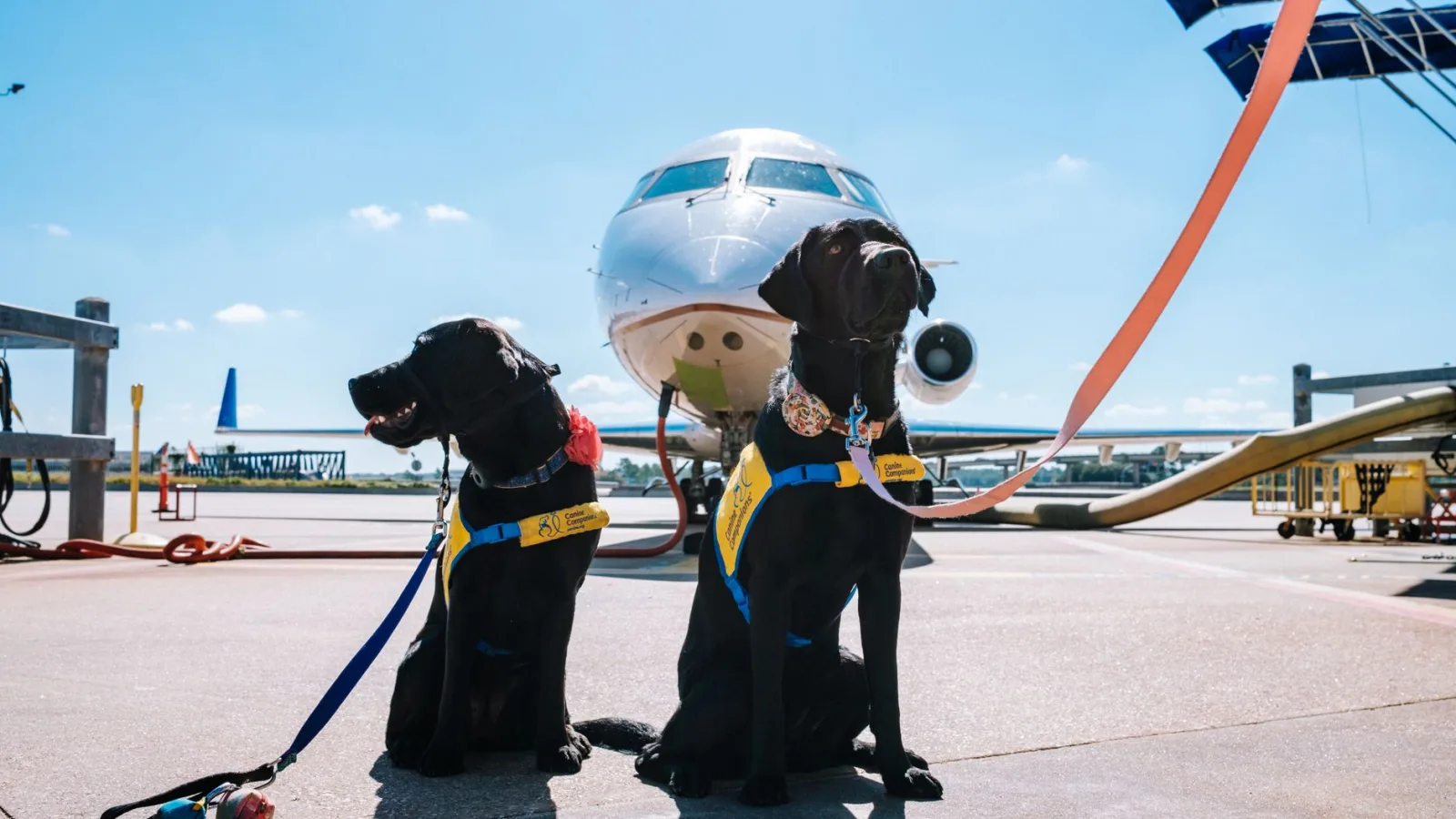
| Travel day | Documents in hand rather than in the hold, water available, and a crate the animal has already slept in |
The folder your vet builds
By departure you should be carrying a small, boring, complete file. Boring is the objective.
- EU pet passport or the equivalent official document for your route
- Microchip number, with proof it was implanted before the rabies vaccination
- Rabies vaccination record, valid and within date on the day of travel
- Any blood test result the route requires, with the laboratory report
- Health certificate issued inside the required window before travel
- Tapeworm or parasite treatment record if the route calls for it
- Airline booking confirmation naming the animal, plus crate dimensions
- Photocopies of everything, kept separately from the originals
Two details that catch people out. First, check that the microchip is registered to your current address and phone number, because a chip pointing at a house you sold two years ago is close to useless. Second, get the animal used to the crate weeks in advance. A dog meeting its travel crate for the first time at the airport is a bad start to a long day.
Rabies paperwork runs on a calendar you cannot argue with. Everything else about the move can be rushed. This part cannot.
The route question
North Cyprus has its own arrival points, and the practical route from Germany is not always the obvious one on a map. Some owners fly with a connection through Turkey. Others fly into the south of the island and cross by road. Each has different rules, different paperwork and different pinch points, and airlines apply their own limits on top of the official requirements.
Points worth settling early, in writing:
- Whether the animal travels in the cabin, as checked baggage or as cargo, and what the size and weight limits are
- Whether the airline embargoes animals in hot months, which many do, and what that does to a summer move
- What happens on a connection: minimum transfer times, whether the animal is offloaded, and who is responsible during the layover
- Which documents are checked at the arrival point, and whether crossing by road adds a separate set of checks
- Snub nosed breeds, which many airlines restrict or refuse outright for genuine safety reasons
Get the airline's answer in an email rather than a phone call. Verbal assurances have a way of evaporating at a check in desk at five in the morning.
Life here once you land
The good news is that this is an easy island for animals. Vets are available and generally reasonably priced compared with Germany, walking is possible year round, and dogs are a normal part of daily life rather than an inconvenience.
The things that surprise people are seasonal. Heat is the serious one. Between roughly June and September, midday walks are genuinely unsafe for a dog on hot ground, and the routine shifts to early morning and late evening for months at a time. Ticks and sandflies are more present than in Germany, so year round parasite prevention becomes a permanent habit rather than a summer afterthought, and it is worth asking a local vet about the specific risks here rather than assuming your German routine transfers.
There is also a street animal population, particularly cats. Many residents feed them, some end up adopting them, and it is one of the small things people mention when they describe what they like about living here.
Choose the home for the animal, not the photograph
This is where property advice actually earns its keep, because owners often buy the view and then spend five years managing the consequences.
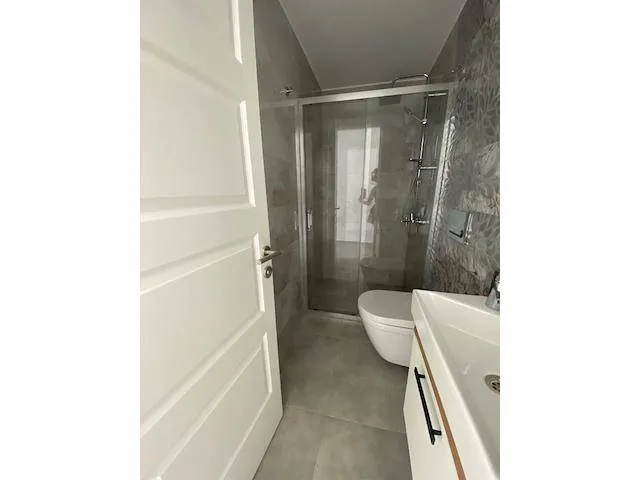
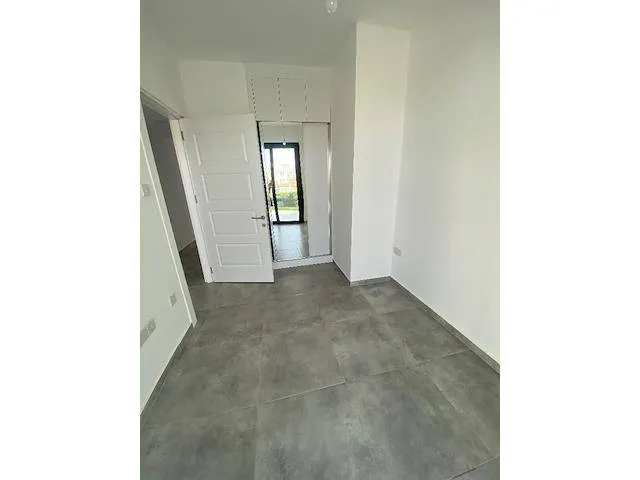
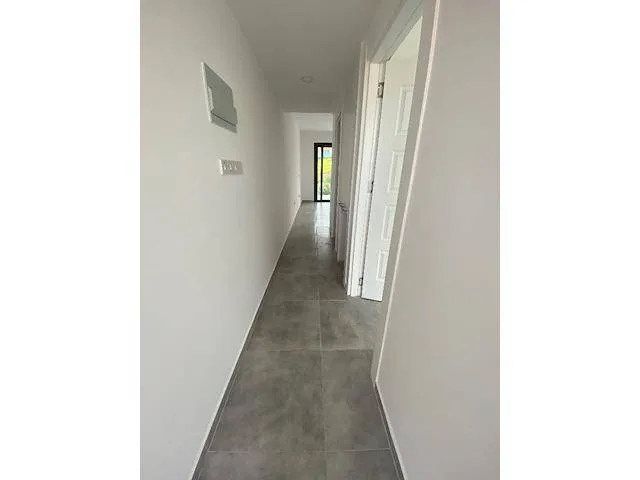
A third floor apartment with a lift and a balcony works for a cat and for a small dog with a patient owner. For a medium or large dog it means several trips down every day, in August heat, on stairs if the lift is out. Ground floor with a terrace changes that entirely. A garden changes it more, particularly a fenced one, and fencing is the detail people forget to check until the first time a gate is left open.
Ask about the complex rules too. Many sites welcome animals, some restrict size or number, and a few do not permit them at all. Get that in writing before you commit rather than discovering it from a neighbour in your second week. Ask where the nearest vet is, where you can actually walk, and whether the road outside is one you would be comfortable crossing with a lead in your hand.
When families tell us they are moving with a dog, it changes our shortlist immediately: ground floors, gardens, quieter roads and complexes we know are relaxed about animals. Mention the animal at the first conversation and we will build it in from the start rather than reworking everything later.