
The shape of the system
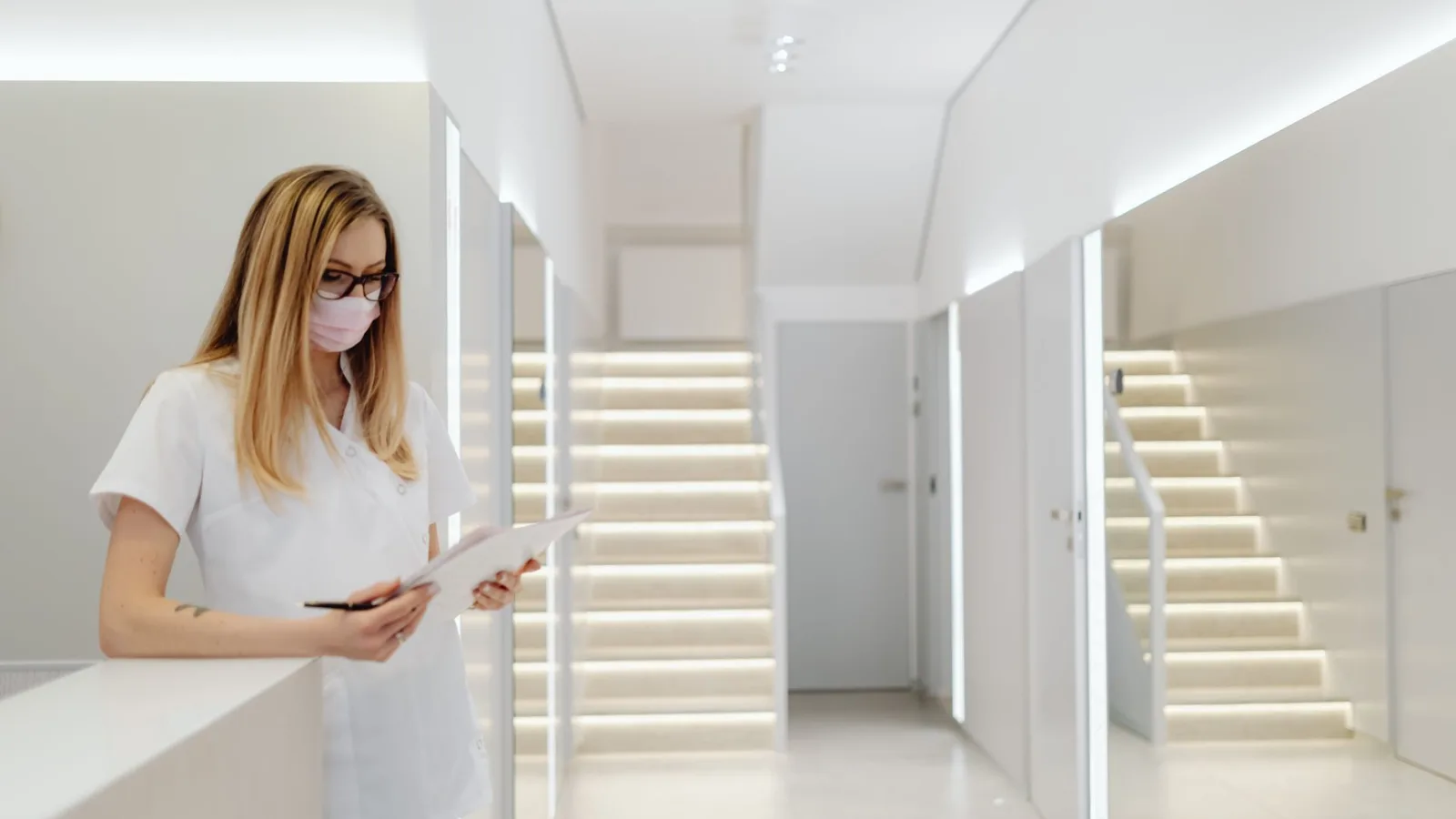
Care here runs on two tracks. There are state hospitals, the largest of which are in Nicosia and Famagusta, with a hospital serving Kyrenia as well. Alongside them sits a substantial private sector: clinics, diagnostic centres, dental practices and specialist consultants, concentrated in Nicosia and Kyrenia.
In practice most foreign residents use private care for everyday medicine and keep the state system in mind for emergencies. Private appointments are quick, often same week, sometimes same day, and consultation fees are markedly lower than in Germany. That combination is the reason healthcare rarely appears on the list of things people regret about moving here.
What you should not do is assume it works like the German system with cheaper prices. It does not. It is a pay as you go market with insurance layered on top, and the planning you do reflects that.
What to expect from private care
Standards vary by clinic rather than across the board, which is why residents build a short personal list of people they trust rather than relying on a single institution. Ask other residents. The recommendations are remarkably consistent and they are better information than any directory.
Language is less of a barrier than most people fear. Many doctors trained in Turkey, the United Kingdom or Germany, and English is widely spoken in private practice. German speaking doctors exist but are not everywhere, so if that matters to you, it is worth locating one before you need one.
Two practical points. Pharmacies here are capable and accessible, and pharmacists will advise on minor problems in a way that saves a lot of appointments. And for anything major or unusual, some residents choose to travel to Turkey, where the specialist hospital network is deeper. That is a normal part of the picture rather than a sign of failure.
Do not sort out healthcare after the move. It is one of the few things that is much easier to arrange while you still have a German address.
Insurance: the decision that actually matters
This is where planning pays for itself. Your options broadly fall into three groups, and the right one depends on how much time you spend here and whether you keep ties to Germany.
| Option | Suits | Watch out for |
|---|---|---|
| International private medical insurance | Full time residents who want treatment here and cover elsewhere | Premiums rise sharply with age; check whether North Cyprus is explicitly included |
| Local private policy | Residents settled here who want lower premiums | Lower limits, more exclusions, and check how pre existing conditions are treated |
| Travel or expatriate cover alongside German insurance | Part year owners who keep a German base | Day limits, whether cover lapses after a set period abroad, and repatriation terms |
Three things to check in any policy before you sign: whether North Cyprus specifically is inside the covered territory, how pre existing conditions are handled, and whether the policy pays the clinic directly or reimburses you afterwards. The last one matters more than people expect when a bill arrives at the desk.
If you retain German statutory or private insurance, ask them in writing what happens once you are resident abroad. Answers differ by insurer and the letter is worth having.
What to arrange before you leave Germany
- A full check up, while you are still in the system. Bloods, dental, eyes, anything outstanding. Arrive with a clean baseline rather than an open question.
- Your records, in a form you can carry. Ask for a written summary of your medical history, current diagnoses and allergies. A translation into English is worth paying for.
- Prescriptions listed by active ingredient. Brand names differ. The active substance and dose is what a pharmacist here can actually work with.
- Three months of any regular medication. Enough to establish local supply without pressure, and to discover whether your exact product is stocked.
- Written confirmation from your insurer. What is covered abroad, for how long, and what documentation they need for a claim.
- Vaccination records. Easy to obtain now, tedious to reconstruct later.
Medication and prescriptions
Most common medicines are available, though the brand will often differ from the one you are used to. Bring the active ingredient name rather than the packaging you recognise, and expect a conversation rather than a like for like swap.
Specialist and less common drugs are worth checking specifically before you commit to a move, particularly for chronic conditions. A pharmacy in Kyrenia or Nicosia will tell you honestly whether they can source something and how long it takes. Doing that call from Germany, before you have sold anything, is a much better position to be in than discovering the answer in month two.
How this affects where you buy
For most buyers healthcare is a background consideration. For buyers over seventy, for anyone managing a chronic condition, and for families with young children, it quietly reshapes the shortlist.
Kyrenia and its surrounding coast is the practical choice, with a hospital, private clinics and pharmacies close at hand. Nicosia has the greatest depth of specialist care, which matters if you have an ongoing relationship with a consultant. The eastern resort areas are comfortable but further from a full service hospital, and that drive looks different at nine in the morning than it does at three in the morning.
It is worth being honest with yourself about which category you are in. If health access matters to you, say so when you enquire and we will factor drive times to the nearest hospital into the shortlist rather than leaving you to work it out from a map.