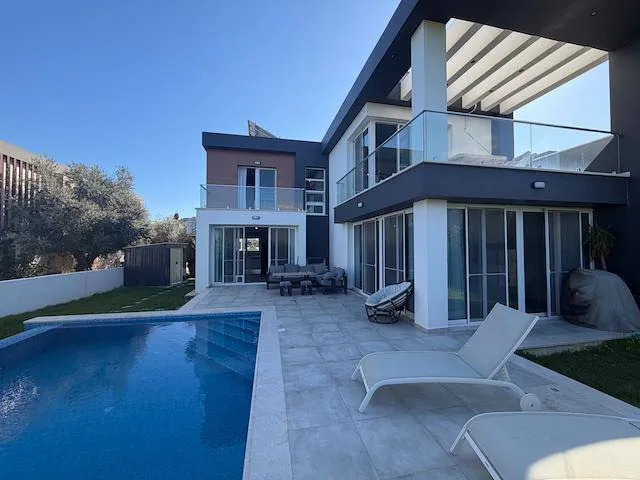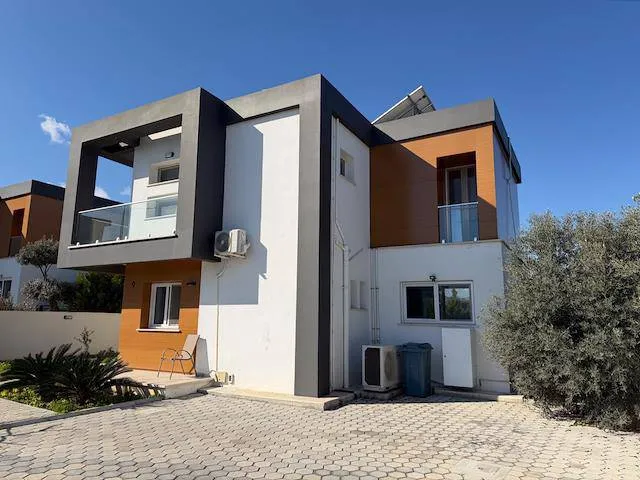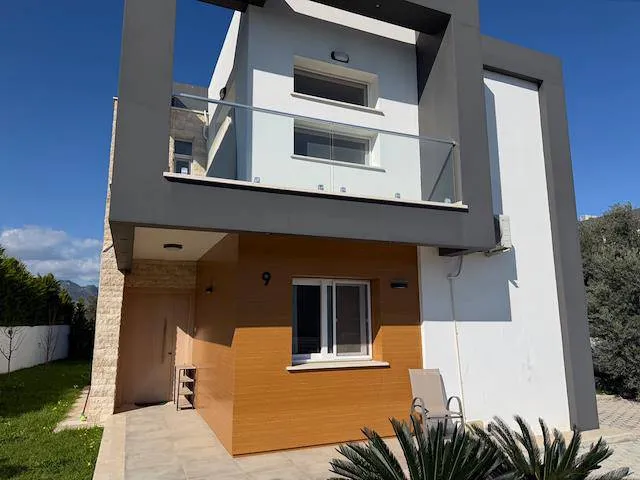
Monday, seven in the morning, a van full of test kits
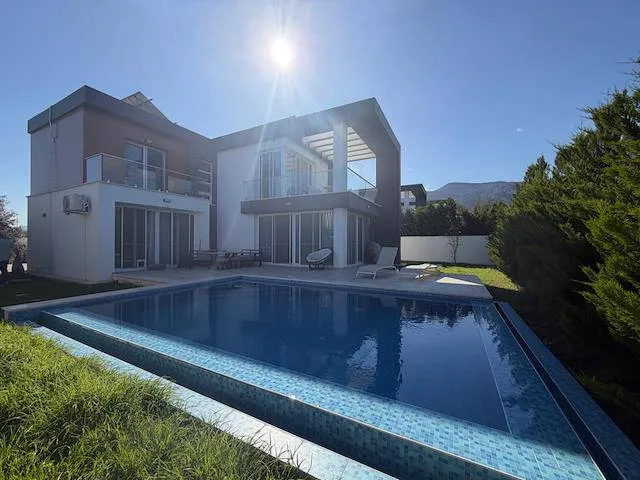
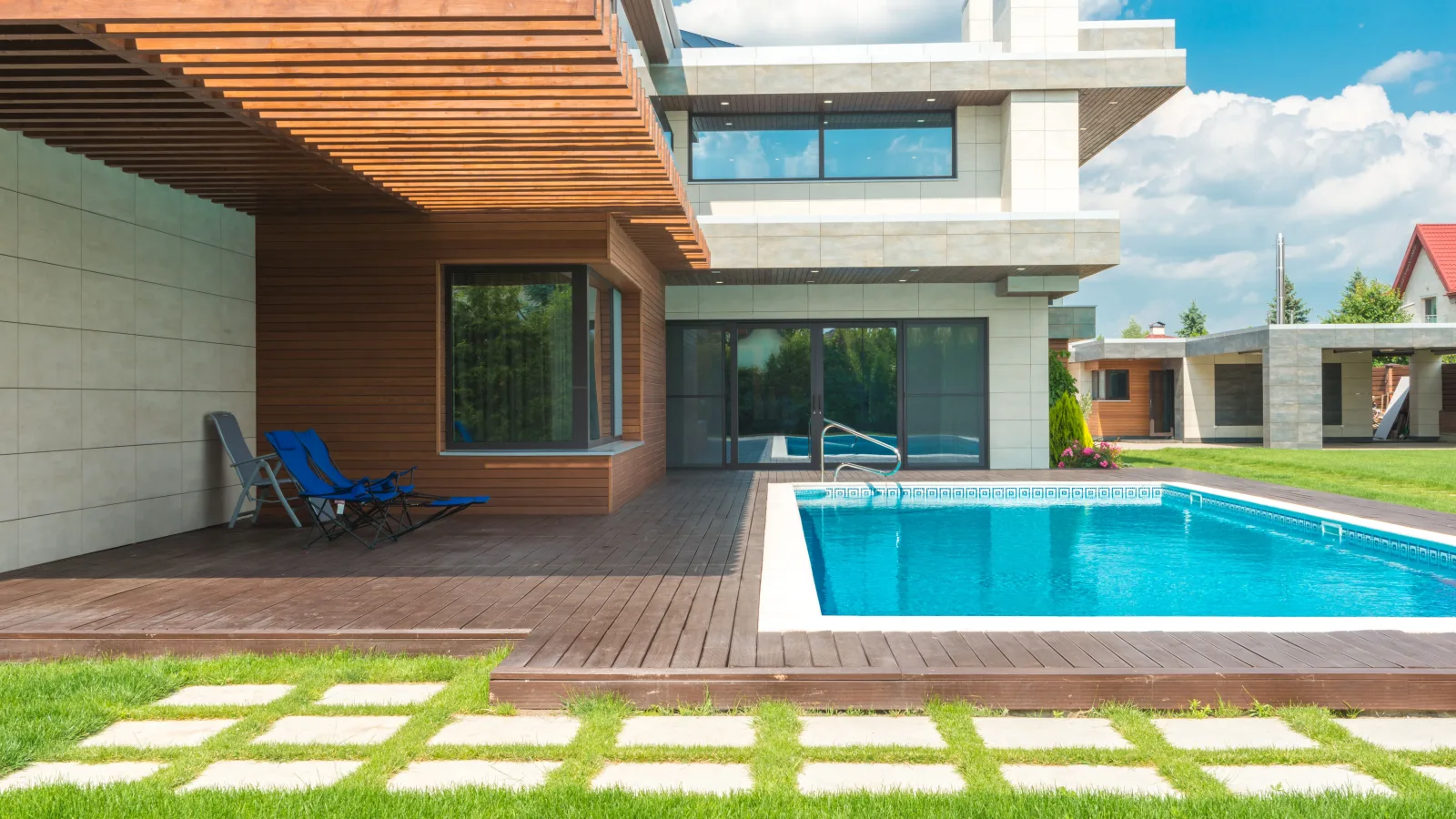
The van smells faintly of chlorine and strong coffee. The man who drives it has looked after private villa pools between Alsancak, Kyrenia and Esentepe for years, and when our team asked whether we could ride along for a week, he agreed on one condition: whoever comes holds the leaf net. Buyers ask us about private pools almost every week, usually in the same words. What does it really cost, how much work is it, and would I regret it? Listing photos answer none of that, so we went to the person who sees more villa pools in a day than most owners will see in a lifetime.
What follows is his round, stop by stop. Each villa taught one lesson about pool ownership in North Cyprus, and by the end of the week the choice between a private pool and a shared one looked very different from how it looks in a brochure.
The chemistry stop: what balanced water actually involves
The first stop is a villa garden in Alsancak, and nothing dramatic happens there, which is exactly the lesson. He dips a test strip, reads chlorine and pH against a colour chart, tips a measured dose from a drum, brushes the waterline and moves on within the half hour. Balanced water is not a project, it is a rhythm. In a North Cyprus summer the sun is strong enough to burn free chlorine out of open water in days, so a pool that would coast for a week in a German garden needs checking far more often here, and the pH drifts with every top up of hard local water.
Costs, since nobody prints them: as a rough planning range only, owners here often spend somewhere between 40 and 80 euros a month on chemicals in the hot months and noticeably less in winter, while a weekly professional round is commonly quoted somewhere between roughly 80 and 150 euros a month depending on pool size and visit frequency. Chemical prices move with the currency and with your pool's volume, so treat these as planning figures and confirm current local quotes before you build a budget on them.
The water does not know that nobody swam this week; it goes on costing money and asking for attention either way.
The pump stop: the machinery you never see until it stops
Stop two has a locked plant room behind the garage, and this is where he spends the most time. The pump circulates the whole pool through the sand filter for several hours every day, longer in summer, and those run hours, not the swimming hours, are what decide the electricity bill. For many owners the pump quietly becomes the single largest running cost of the pool, ahead of the chemicals.
He also keeps a box of the parts that fail: pump seals and bearings, timer switches, underwater light fittings, and the sand inside the filter itself, which wants replacing every few years. The climate plays its part. Winter storms here bring short heavy rain and occasional power interruptions, and a voltage surge on restart is a classic pump killer. A simple surge protector costs a fraction of a new pump, and he fits one at every villa that will let him. No listing description will ever tell you that; his spare parts box just did.
The winter stop: what an unused pool does from November to April
Stop three looks abandoned but is not: the owners fly home in October and return at Easter. In Germany a garden pool is drained down and shut for the winter. Here the winters are mild and wet, the water usually stays in, and the pool never quite goes to sleep. Rain dilutes the chemistry, storms drop leaves and dust into the water, and the pump still has to turn the water over a few hours a day or it starts to tip. His winter visits are shorter and cheaper than the summer ones, but they do not stop.
The honest rule he offers: an unused pool still demands a good share of the money and attention of a used one. The water does not know that nobody swam this week. A fitted cover helps, fewer chemicals help, shorter pump hours help, but the only pool that costs you nothing from November to April is the one that belongs to the site and not to you.
The neglected pool: six skipped weeks, priced
Stop four is the reason he insisted we come on a Thursday. A new client cancelled their old service in spring to save money, left the island in May and called in July. Six skipped weeks under the summer sun had turned the pool green from wall to wall: algae on the steps, a clogged filter, and water you could not see your own hand in at elbow depth.
Recovery is not a quick scrub. It means shock chlorination, days of continuous filtering, repeated brushing and backwashing, and in bad cases draining the pool, acid washing the shell and refilling it, which in a dry climate makes the water itself a real cost. As a rough planning range, bringing a green pool back typically runs to several times what the skipped visits would have cost, from the low hundreds of euros upward once labour, chemicals and water are counted, and more if the filter media or the pump have suffered. Get a quote for your own pool rather than trusting any general figure, including ours. The cheaper answer is simpler: if the villa will stand empty, keep the service going.
The last stop is not a villa: the shared pool maths
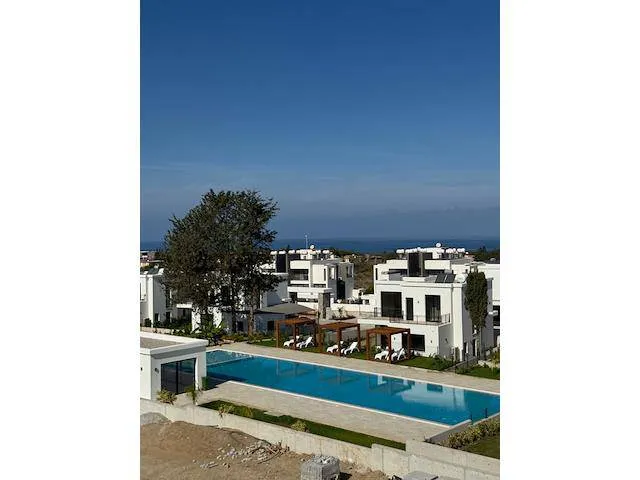
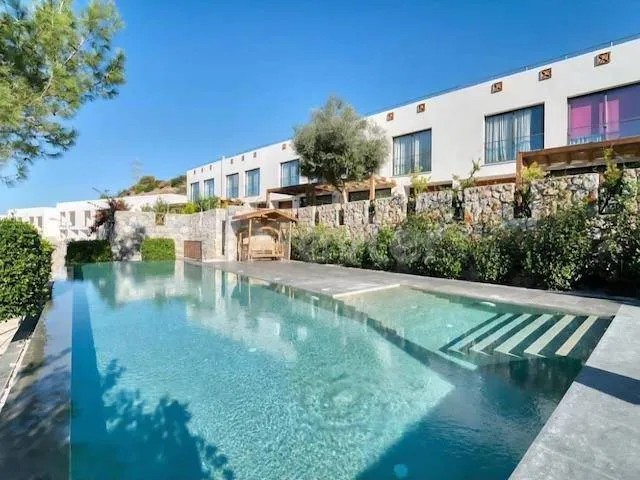
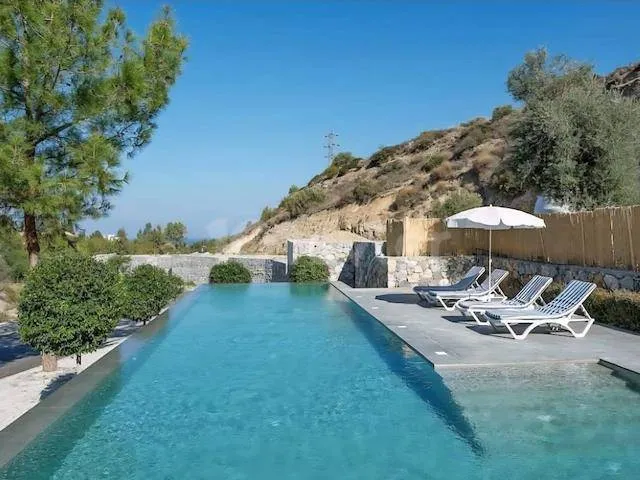
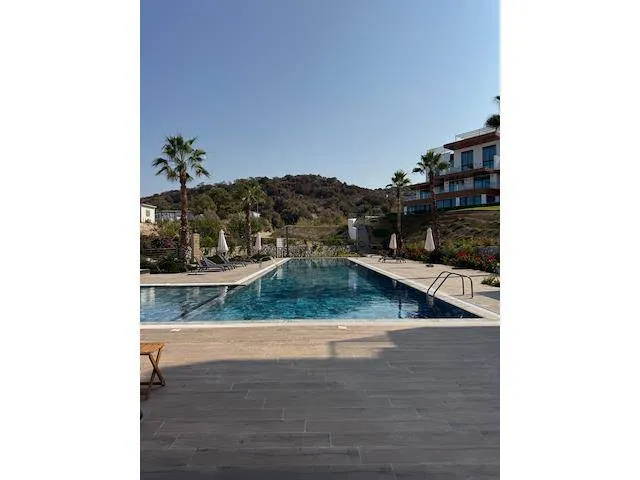
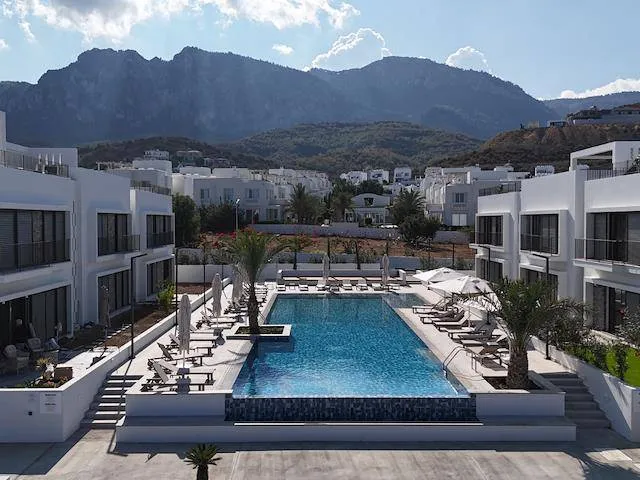
The final stop of the round is not a villa at all. It is a site on the edge of Kyrenia where he looks after one large shared pool, and the arithmetic changes shape here. One plant room, one chemical store, one man on a schedule, and the whole cost divided among all the owners inside the site fee. Everything the week taught about chemistry, electricity, winter care and neglect still applies; it simply lands on the site's budget instead of in your diary.
What you give up is real: the pool has rules and hours, it is busiest exactly when the weather is best, you cannot swim at midnight, and you will never choose its temperature or its shape. What you gain is just as real: one predictable line in the site fee, no plant room of your own, and an empty-months problem that simply does not exist. For an owner who is on the island a few weeks a year, that trade wins more often than the brochure photos suggest.
Which owner are you, honestly
By Friday we could sort owners into two honest profiles, and he agreed with both.
- The private pool suits you if you live here most of the year, if you will pay for a weekly service without resenting it or genuinely enjoy the routine yourself, and if a plant room full of moving parts does not spoil your holiday.
- The shared pool suits you if the villa will stand empty for long stretches, if you want one predictable fee instead of chemicals, electricity and repairs, and if you would honestly rather swim a little less privately than budget a little more nervously.
Our villa listings include both kinds, and we would rather match you to the right pool than to the prettier photo. When a villa with a private pool catches your eye, ask us to open the plant room during the viewing, to tell you who maintains the pool now, and what the current owner actually pays them. If your answer above was the second profile, ask us instead which sites near Kyrenia, Alsancak or Esentepe keep their shared pool genuinely well. Either way, decide which owner you are before you fall for the water.