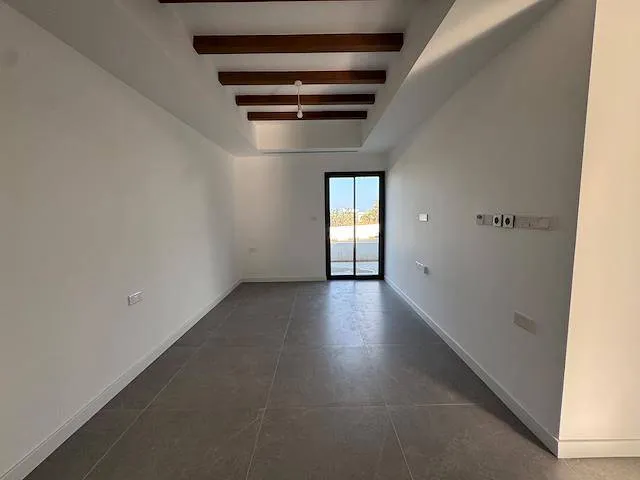



A patient in the waiting room
Every November the same patient arrives in our clinic. The owner rings first: the windows stream every morning, there are black spots behind the wardrobe, the bedroom smells of cellar, and the house that felt bone dry in August suddenly feels wet through. We have learned to listen to these calls the way a doctor listens to a cough. Water where it should not be is a symptom, not a disease, and at least four different diseases produce it. Condensation, penetrating damp, rising damp and the damp of a house locked up for weeks all leave water and mould behind, and each needs a completely different treatment. Treat the wrong one and you spend the winter fighting the symptom while the cause quietly gets worse.
So this article is written as case notes. Four consultations, one per kind of damp, each with the presenting symptom, the examination, the diagnosis and the treatment, and at the end a discharge letter with the routine that keeps a coastal home healthy, including for owners who lock the door in October and fly home.
History and environment: what the sea does to a house
Before any examination a doctor takes a history, and this patient's history is the coast. North Cyprus winters are mild but wet: heavy short rains, occasional storms, and humid air that drifts in from the sea all year. A coastal home rarely gets the long dry cold spells that let a north European house dry out; between showers the air stays soft and damp. Salt makes it worse, because salt carried in on sea air settles on walls and holds moisture against them long after the rain has passed.
One more line in the history surprises many buyers. The elevation with the sea view is also the elevation that faces the weather. Winter storms come off the water and drive rain almost horizontally against the very wall you bought the house for, its glass, its frames and its seals. A sea view home is not a worse patient than an inland one, but it is a patient that needs its check-ups, because its best side works the hardest. Add the fact that many island homes are heated room by room rather than centrally, leaving cold unheated surfaces everywhere, and you have the full picture the consultations below are read against.
Water where it should not be is a symptom, not a disease, and each of the four kinds of damp needs a different cure.
Consultation one: the window that weeps
Presenting symptom. Water runs down the inside of the glass at dawn and pools on the sill. Small round soot-like spots appear in ceiling corners, in window reveals, on bathroom silicone and on the wall behind the wardrobe.
Examination. Touch the affected spots. They sit on the coldest surfaces of the room: corners, external walls, tiles. The glass weeps at dawn and is often dry again by noon. The mould is scattered spots rather than one large stain, and it favours rooms where people sleep, shower, cook or dry laundry.
Diagnosis. Condensation. The moisture is made indoors, by cooking, showers, laundry on an airer and simply breathing, and it settles on any surface cold enough. It is by far the most common winter damp we see in coastal homes, and the good news is that the building itself is usually healthy.
Treatment and prevention. Ventilate in short full bursts: open windows on opposite sides wide for a few minutes several times a day, rather than leaving one window tilted all day, which chills the walls without changing the air. Heat gently and evenly instead of roasting one room and leaving the rest cold. Put lids on pans, run the bathroom extractor, dry laundry on the covered terrace or beside a dehumidifier, and pull furniture a hand's width off external walls so air can move behind it. Wipe existing spots with a suitable mould cleaner once the habits have changed, not before, or they simply return.
Consultation two: the stain that follows the storm
Presenting symptom. A patch on one wall or ceiling that appears, darkens or grows within a day or two of heavy rain. It is map-shaped with a darker rim, often near a window frame, under a flat roof or below a balcony, and it fades only slowly through dry weeks.
Examination. This examination happens outside, ideally during or just after rain. Stand back and look at the wall above and around the stain: cracked render, tired silicone around the frames, a parapet with a broken capping, a balcony spout staining the wall below it, a roof outlet blocked with leaves. On coastal houses check the sea-facing elevation first, because that is where the storm drives the rain.
Diagnosis. Penetrating damp. Water is coming through the fabric of the building at a specific point. No ventilation habit will cure it, and paint certainly will not.
Treatment and prevention. Find and fix the entry point: repair the render, renew the seals, clear the outlets and drains, make good the capping. Then be patient, because a soaked wall needs weeks of dry weather to release its water before it can be repainted; paint too early and the stain lifts the new coat off. Prevention is one autumn habit: walk the outside of the house before the rains, especially the weather wall, and clear every roof outlet and balcony drain you can safely reach.
Consultation three: the tide mark at ankle height
Presenting symptom. A continuous band of damp along the base of a ground floor wall, with peeling paint, crumbling plaster and a fuzzy white bloom that returns however often it is wiped away.
Examination. The band is the clue. Unlike a storm stain it does not sit in one patch below an obvious source; it runs along the bottom of the wall to a fairly even height and it does not vanish in dry weather. Outside, look for raised flowerbeds or paving piled against the wall, garden irrigation soaking the base, or a downpipe discharging straight at the footings. The white bloom is salt, carried up with the moisture and left behind when it evaporates.
Diagnosis. Rising damp: moisture drawn up from the ground. It is the rarest of the four in modern builds, which have damp barriers, and more common in older village houses and in any home where the ground outside has crept above floor level.
Treatment and prevention. Treat the ground first: lower the soil or paving, move the irrigation, extend the downpipe. Many bands then dry out on their own over a season. If not, this is the one consultation that genuinely needs a specialist, and the one where the worst treatment is the most tempting: sealing the wall with waterproof paint traps the moisture inside and pushes it higher.
Consultation four: the house that was left alone
Presenting symptom. The owner unlocks the door after weeks away and the house exhales a musty breath. There is a grey film on leather shoes and bags, spots on the underside of the mattress, mould in the shower grout and a slight dampness on everything, yet no leak can be found anywhere.
Examination. The distribution gives it away. The damp is everywhere and nowhere: strongest inside wardrobes, drawers and other still air, and tied to no single source. Last winter we opened an apartment above Esentepe after roughly ten weeks closed and found every window sound, every seal dry, and a wardrobe of ruined shoes.
Diagnosis. Closed-up-house damp. The home was sealed in autumn with mild, humid air inside. Through the winter the temperature swung, moisture condensed and re-evaporated in cycles, and with no ventilation at all the still corners collected it. Coastal homes suffer most, because the sealed-in air starts out more humid.
Treatment. Open everything on a dry day and cross-ventilate for hours, run a dehumidifier hard for a few days, wash the textiles, stand the mattress on edge so both faces air, and wipe the mould film before it stains. Prevention belongs in the discharge letter below, because it starts before you leave, not after you return.
The discharge letter: a winter routine for a healthy house
Dear owner of the patient. If you live in the house through winter, the prescription is a rhythm, not a project: cross-ventilate in short bursts morning and evening, keep the heating low and even rather than fierce and occasional, run the extractor after every shower, dry laundry outside the living rooms, and walk the weather wall after every big storm. That is the whole regime, and it costs habit more than money.
If you lock up and fly home, the prescription moves to departure day. Air the house thoroughly on a dry day before you leave. Leave every interior door, wardrobe door and drawer open so no pocket of still air survives. Pull furniture off the external walls, stand the mattress on edge, leave the washing machine and dishwasher doors ajar, and empty, dry and prop open the fridge. Clear the balcony drains and roof outlets you can reach. Then give someone a key, a neighbour, a management company or our team, with two standing instructions: open the windows for half an hour every week or two, and look at the ceilings and the sea-facing wall after any serious storm. A dehumidifier on a timer helps, but never rely on it alone, because winter storms can interrupt the power for hours and the machine cannot report that it has stopped.
Follow-up appointment. If you are still choosing a home, view in winter; it is the most honest season, when a sea view property shows you its weather wall, its seals and its smell within a minute of the front door opening. Our sea view listings can be viewed exactly this way, and if you already own here and fly home for the cold months, ask our team what a storm check on your particular house should include. A dry March starts in November.