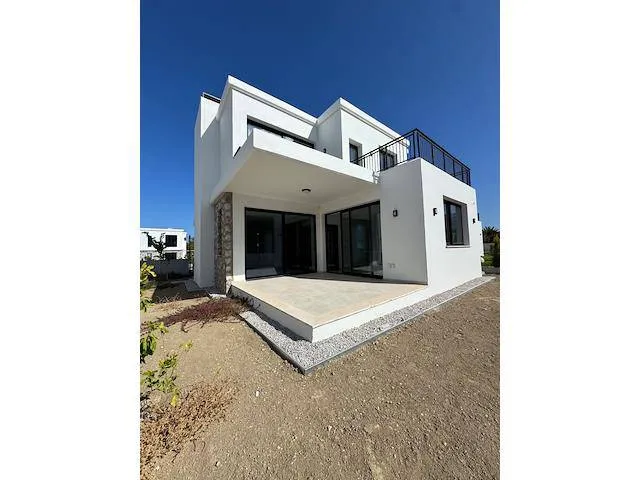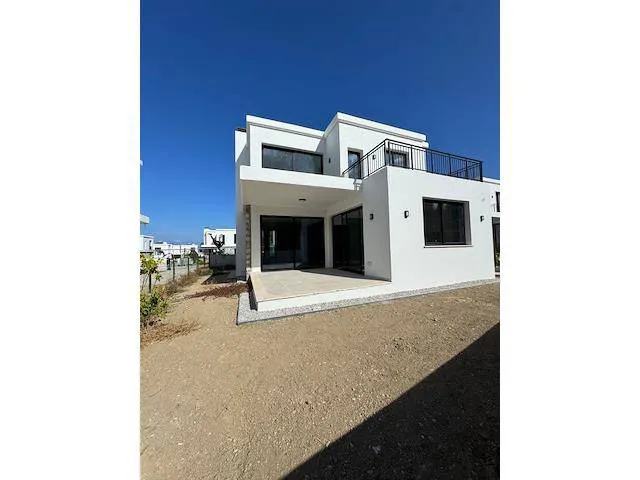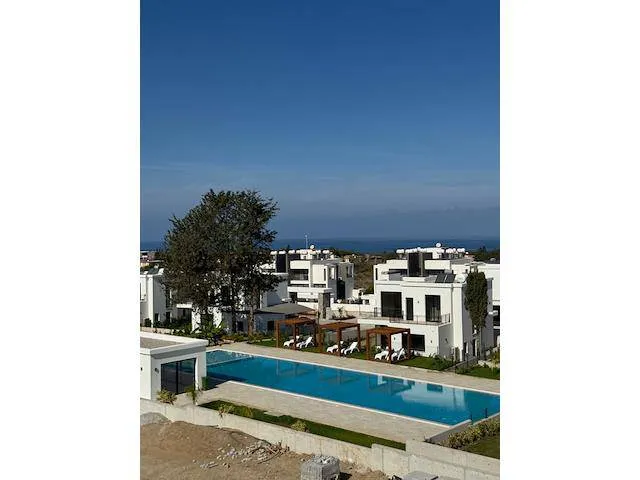

First, unlearn the rain
In Germany the sky does the watering and never sends an invoice. In North Cyprus, from roughly May to October, it sends nothing at all. Every green thing you admire in a Kyrenia or Esentepe garden in August is alive for one of two reasons: someone is paying to water it, or it was chosen because it does not need anyone to. That is the entire subject, so we have written this article as a small cookbook.
Each card below is a recipe with ingredients, a method tied to the Cyprus planting year, a note on how much the result drinks, and what it costs to keep on the table. There are three menus, from the garden that never asks for water to the one that drinks like a guest who will not leave, plus one card for owners who are away all summer. Any money mentioned is a rough planning range in euros, never a quote; nursery prices and water tariffs change, so confirm current figures locally before you commit to anything.
Recipe one: the garden that never asks
This is the menu for a holiday home, a rental villa or anyone who would rather read than water. The ingredients:
- Gravel over a weed membrane, in place of any lawn
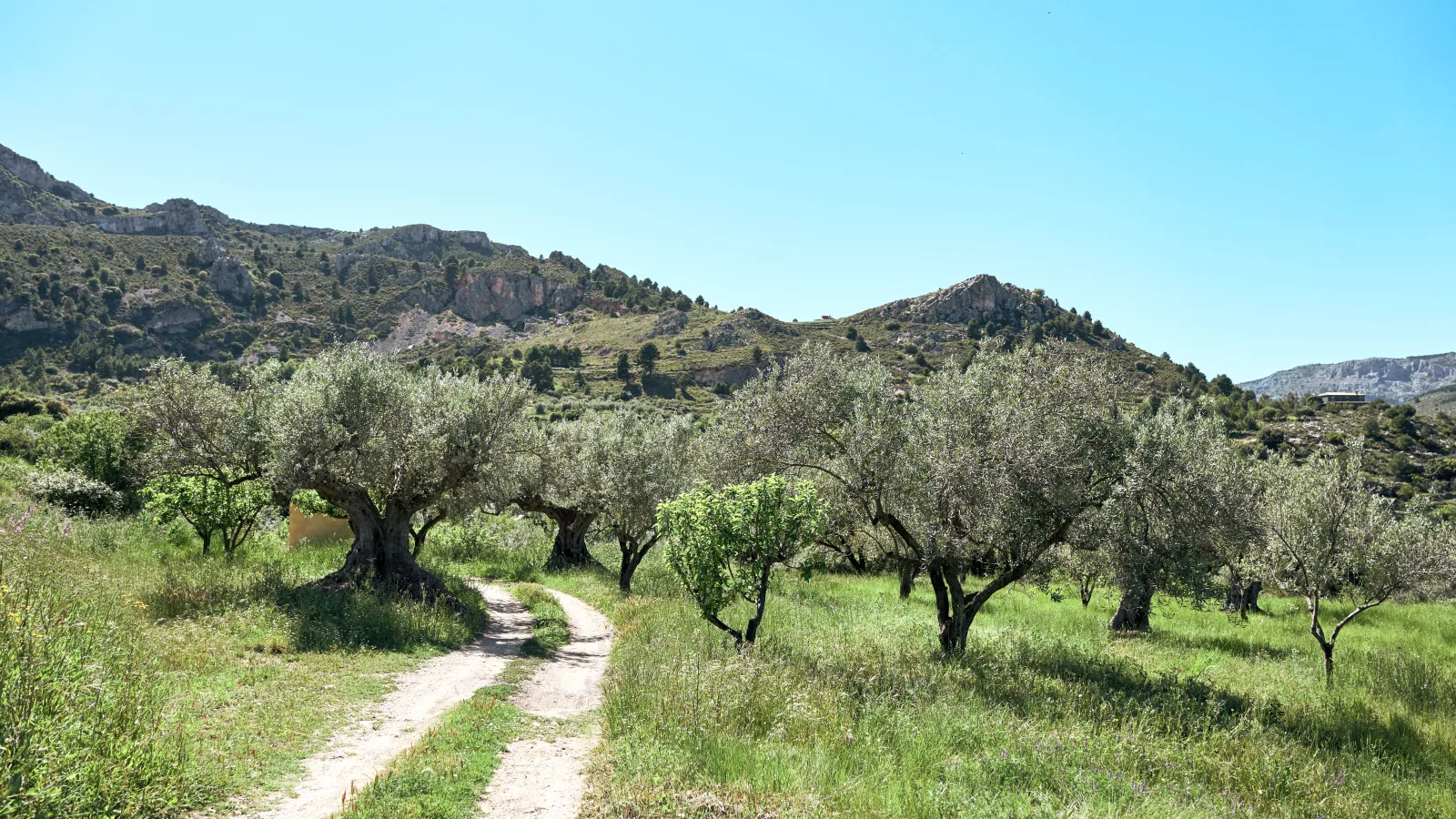
- An olive tree, ideally bought semi-mature
- A carob or another deep-rooted shade tree
- Rosemary, lavender and the native aromatics that already grow wild on the Beşparmak slopes
- A pergola or shade sail where a lawn would have gone
- A thick mulch over every planted bed
Method: plant in late October or November, when the first proper rains arrive. The wet winter then establishes the roots free of charge, which is the one job German instincts get backwards; spring planting here buys you a first summer of rescue watering instead. Give young plants an occasional deep soak through their first summer, less in the second, then stop. One thing few garden articles mention: gravel is not just low effort. It keeps the root zone cooler than bare soil, and on a sloped plot it stops the short violent winter downpours from washing your topsoil into the road.
How much it drinks: after the second summer, effectively nothing. What it costs to keep: setting up gravel, membrane and a starter set of plants on a typical villa plot tends to land in the high hundreds to low thousands of euros as a rough planning range, and upkeep is one or two pruning visits a year. Confirm plant and material prices at a local nursery before you order.
Between May and October the sky waters nothing here; a garden is watered by you, or it is planted so that it does not need to be.
Recipe two: the low-water garden most owners actually cook
This is the garden we see most often around Alsancak, Lapta and Esentepe: tough Mediterranean planting on a drip line. The method is the same autumn planting as recipe one, plus a drip irrigation line laid under the mulch and run from a timer, watering deeply two or three times a week in summer at dawn or after dusk rather than a little every day. Shallow daily sprinkling trains roots to stay near the hot surface; deep infrequent watering sends them down where the soil stays cool.
| Ingredient | How much it drinks | The note on the card |
|---|---|---|
| Olive | Barely anything once established | The backbone plant of the island; buy one good tree rather than five small ones |
| Citrus | The thirsty exception; a deep drink every week all summer | Iconic here, but never a low-water plant; unwatered it drops fruit and can die young |
| Oleander | Very little | Every part of it is poisonous, so prune with gloves and plant it away from pets and small children |
| Bougainvillea | Less than you think | It flowers hardest when kept slightly dry; generous watering buys you leaves, not colour |
| Lavender and rosemary | Almost none | They hate wet feet; winter drainage kills more of them here than summer drought does |
What it costs to keep: a drip kit and timer for a modest garden is usually a low hundreds of euros purchase as a rough planning range, the summer water adds a modest amount to a metered bill, and a gardener calling every few weeks in season covers the rest. Confirm the current water tariff and a gardener's visit rate locally, because both move.
Recipe three: the indulgent garden, honestly costed
The third menu is the one the brochure photographs: a green lawn, beds of thirsty annual colour, perhaps a bank of hydrangeas that would rather be in Hamburg. It can be done, and around Kyrenia you will see it done beautifully. But be honest about what you are ordering. In this climate a lawn is not a surface, it is an appliance that runs all summer. It wants water most days from May onward, your supply is metered, and the bill scales with every square metre of green. Skip one week in July and the lawn browns; some lawns never fully return from that.
How much it drinks: a full lawn in high summer can multiply a household's water use several times over, which is why we will not print a monthly figure; it depends on your lawn area and the tariff in force. Ask your water office for the current metered rate, measure your intended lawn, and do the multiplication before you seed, not after. The case against, and the compromise: if bare feet on grass is the feeling you are buying, keep one small lawn panel by the terrace where you will actually sit, and give the rest of the plot to recipes one and two. You keep the feeling and lose most of the bill.
The absent owner's card: June to September, unwatered
Many of our buyers are in Germany for stretches of the summer, so this card matters more than any other. If the water is simply off from June to September, here is how the plate comes back in October. Still standing: an established olive, a carob, oleander, rosemary, lavender and anything growing through gravel. Sulking but alive: bougainvillea, which drops leaves in protest and refills within weeks of the first rain. Gone: the lawn, almost anything in a pot, because pots cook from the sides in a way ground soil never does, anything planted the previous spring, and quite possibly a young citrus, which is the loss owners feel most.
The method for absence is not a plant list, it is a system. Put the drip line on a battery-backed timer, because summer power interruptions silently reset the cheap ones and nobody notices until the rosemary is the only survivor. Then have a human check it: a neighbour, your site management or our local colleagues after any storm. A timer that runs is not the same as water that flows; a split line can drip a month of water into one corner of the plot while the rest of the garden stands in June sun with nothing.
Choosing your menu
Pick the menu that matches your presence, not your Pinterest board. Away all summer: recipe one, with gravel doing the work. Living here most of the year: recipe two, and let the drip line and the autumn rains carry it. Determined to have green underfoot: recipe three, eyes open, tariff confirmed, lawn kept small. All three make a garden worth sitting in by the second autumn; only one of them follows you to Germany as a bill.
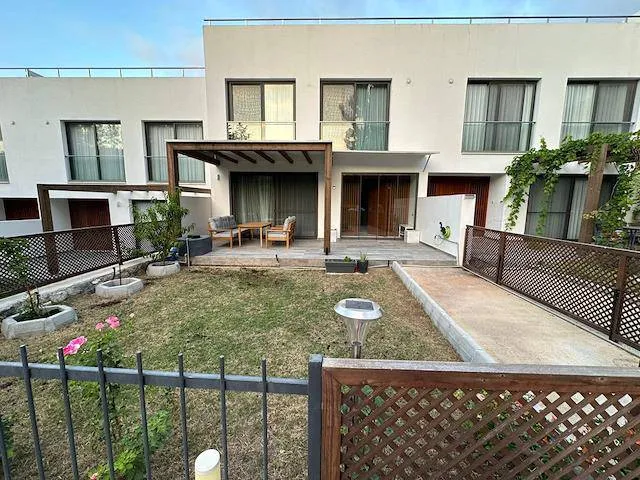
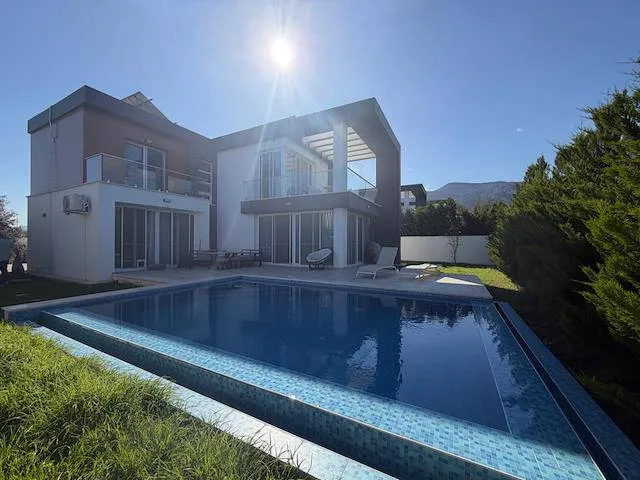
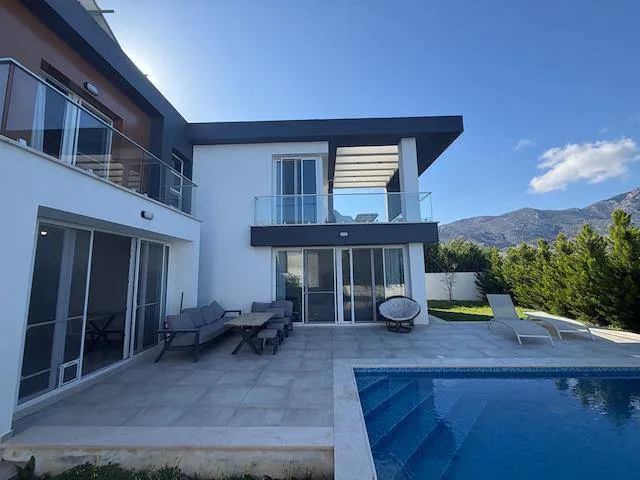
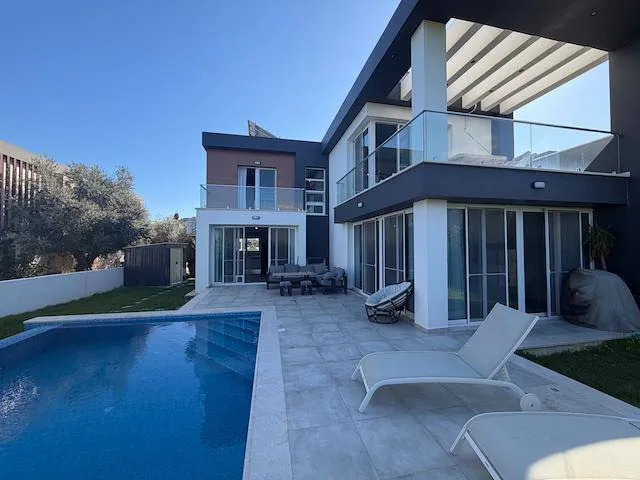
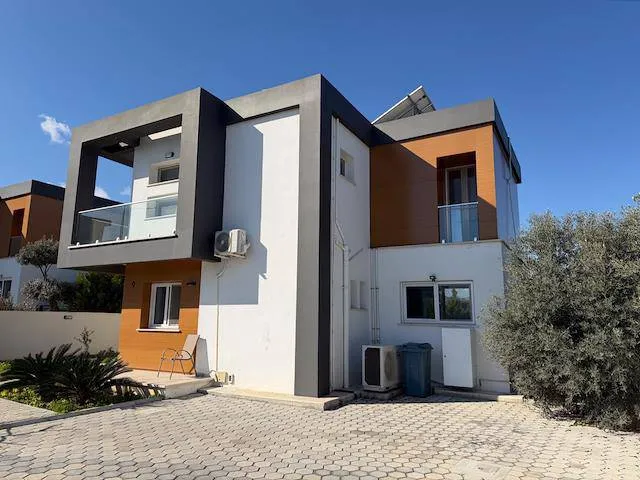
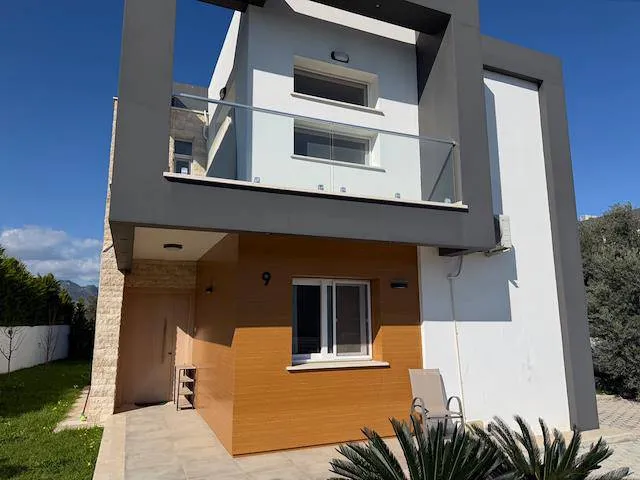
If a garden is part of why you are looking at North Cyprus at all, start with the villa listings attached below, which all come with real garden space. And when a specific villa catches your eye, ask our team the question this article has been circling: what does the existing garden on this listing actually drink? We will walk the plot with you on a viewing, point out the drip line, the citrus and any lawn, and tell you honestly whether you are inheriting recipe one or recipe three, because that difference follows you through every summer you own the house.