


A Tuesday, Three Years From Now
Picture a Tuesday three years from now. The knee that started complaining on hiking holidays in your fifties has finally had enough, and a surgeon in Kyrenia says it is time. On the good version of that morning, you call a number you know by heart, someone confirms your cover, the hospital receives an approval before lunch, and your biggest worry is who waters the plants while you recover. Nothing about that morning is luck.
This article runs backwards from that Tuesday. Each section steps one stage earlier in the chain and asks the only question that matters: what must already have been true for that call to go so quietly? By the end we arrive at today, which is the only day you can still change anything.
The Clinic That Took the Call
One step back from the operation stands the hospital desk. Private hospitals in Kyrenia, Nicosia and Famagusta handle routine surgery for foreign residents every week, and the person who decides how your Tuesday feels is not the surgeon but the billing office. Here is something few articles say plainly: long before you need care, visit a clinic you might use and ask the accounts desk, not the doctor, how a bill from a foreign insurer is settled. Some insurers pay the hospital directly, others expect you to pay first and claim back. On a large invoice, that difference decides whether you need access to several thousand euros at short notice.
Some residents prefer certain treatment in the south of the island or in Germany. Do not assume anything from your German insurance life travels with you across a border or onto a plane. If flying back for surgery is your plan B, ask now, in writing, whether your policy covers treatment outside North Cyprus and who books and pays for the journey.
Insurers rarely check your story on the day you apply; they check it on the day you claim.
The Policy That Answered
Another step back sits the policy itself. For that Tuesday to work, the document must have covered inpatient surgery, the implant, the anaesthetist and the physiotherapy afterwards, and nothing on that list can be assumed. Policies aimed at older applicants differ enormously in entry age limits, waiting periods, annual caps and what happens at renewal. The renewal question is the one we would put first: is continuation guaranteed for life, or can the insurer review, reprice or decline you each year, exactly when you are becoming more expensive to cover?
We will not tell you what any policy covers or costs, because terms change and differ from person to person, and any article that states them as fact is out of date on the day it is published. What we can give you is the shape of the questions: exclusions, age limits, renewal rights, emergency evacuation, and the currency and route of reimbursement. Ask them all, and accept only written answers. Confirm the current terms with the insurer before signing anything.
The Application, Two Years Earlier
Behind every claim that pays sits an application that was filled in honestly. Insurers rarely check your story on the day you apply; they check it on the day you claim. If that knee had already been examined in Germany and the application said nothing about it, the approval call on our imagined Tuesday goes very differently.
So when you apply, declare everything: the knee, the blood pressure, the medication, the specialist you saw once in 2019. Ask the insurer whether they underwrite by full disclosure or by a moratorium on pre-existing conditions, and have both explained to you in plain language. If a condition is excluded, get the exclusion in writing and keep it with the policy, so that both sides are reading the same document three years later. In our verification work we spend our days confirming that papers say what people believe they say; nowhere does that habit pay better than here.
The German Exit
One more step back stands the decision most people rush: leaving the German system. Whether you are in the statutory scheme or privately insured, deregistering from Germany has insurance consequences that are far easier to arrange before you move than to repair afterwards. Private insurers in Germany may offer an Anwartschaft, a dormant arrangement that can preserve your right to return to your tariff later without new health checks. Whether one is available to you, what it costs and whether it makes sense in your case is a question for your insurer and a qualified German adviser, not for a forum and not for us.
Members of the statutory system should ask the equivalent question before deregistering: what would a return to Germany after sixty involve, and does anything I sign or cancel now close a door I might want open at seventy five? Put that question to a qualified adviser while you still hold every option. It is the cheapest appointment of the whole move.
Today: The Questions to Put in Writing
And so the chain reaches today, the only link you can still shape. Three short lists, all of them to be answered in writing.
To an insurer:
- Is renewal guaranteed for life, or reviewed each year, and what can change at renewal?
- Which exclusions and waiting periods apply to me specifically, at my age, with my history?
- Do you pay hospitals here directly, or do I pay and reclaim, and in which currency?
- Is treatment outside North Cyprus covered, including emergency transport?
To a clinic you might use:
- How does a foreign insurer settle a bill at your desk?
- Which treatments would send a patient elsewhere, and where?
To yourself:
- Could I bridge a serious bill from my own funds while a reimbursement is processed?
- Have I asked a qualified adviser what my German exit closes off, before I deregister?
The Part of the Answer That Is a Floor Plan
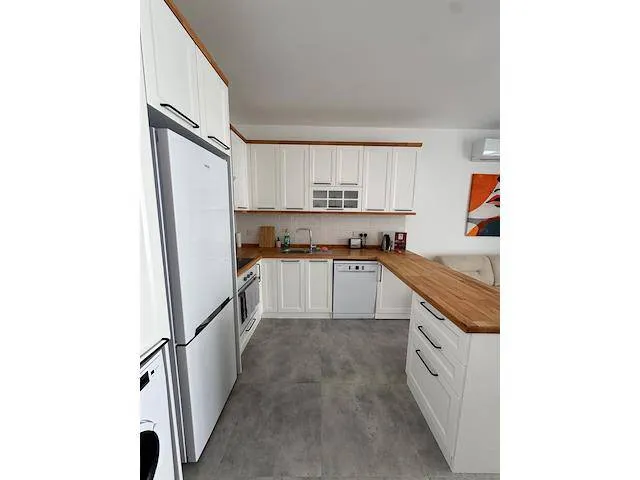
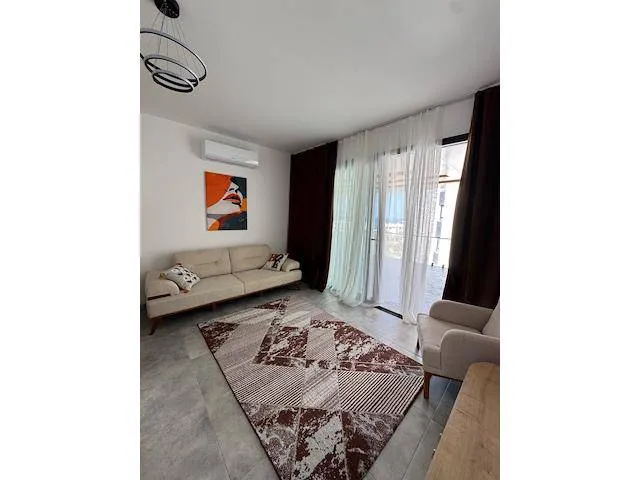
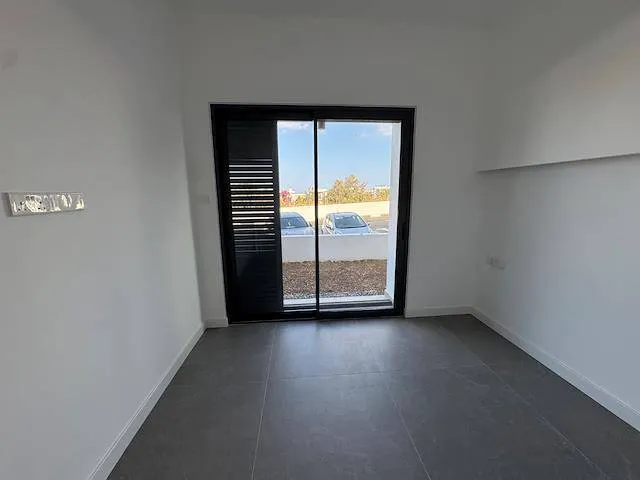
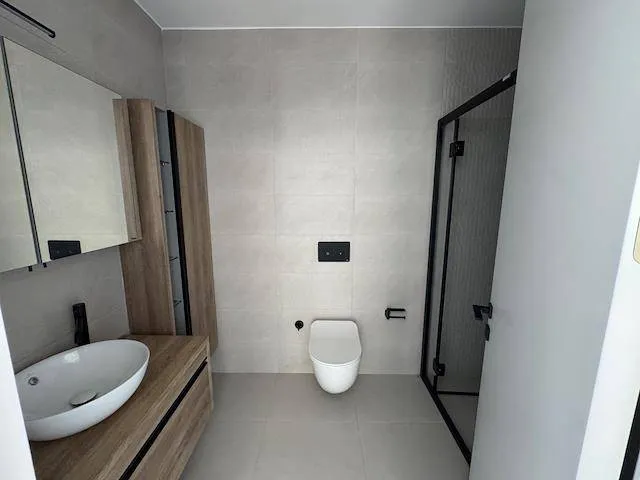
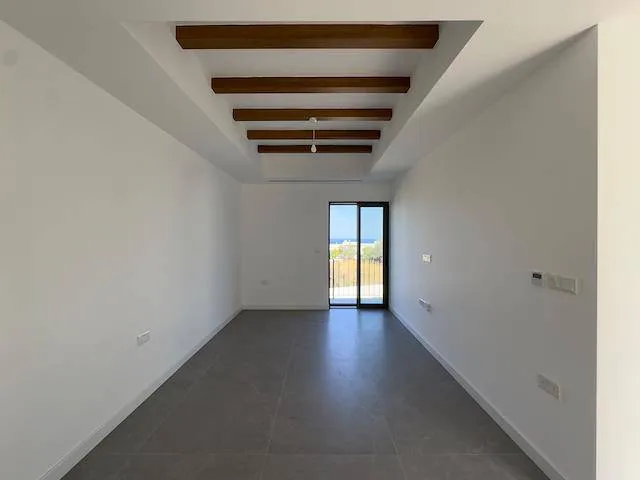
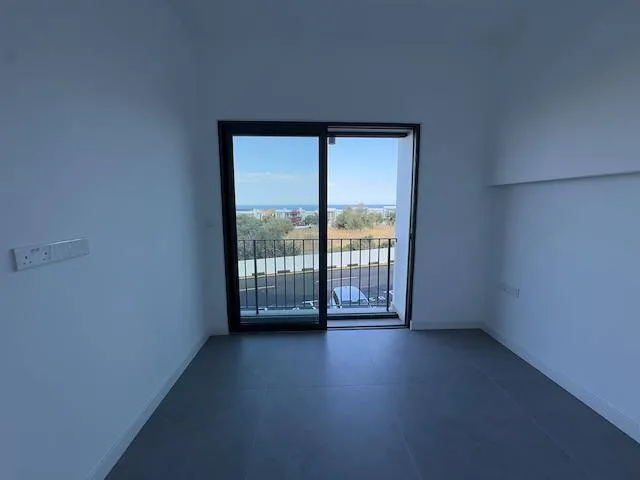
One honest sentence to finish: no policy carries you up two flights of stairs after a knee operation. Part of health planning after sixty is the home itself, and it is the one part you control completely. A single-level apartment near town, with a lift if it is not on the ground floor, close to the clinics you have already visited and questioned, quietly removes half the scenarios that make insurance complicated.
That is a lens you can apply this week. Look at apartment listings with recovery in mind rather than holidays: one level, a lift, daily needs within walking distance. When a home makes your shortlist, ask our team how far it really is from the nearest clinic and pharmacy, in minutes rather than kilometres. We would rather answer that question now than three years from now.