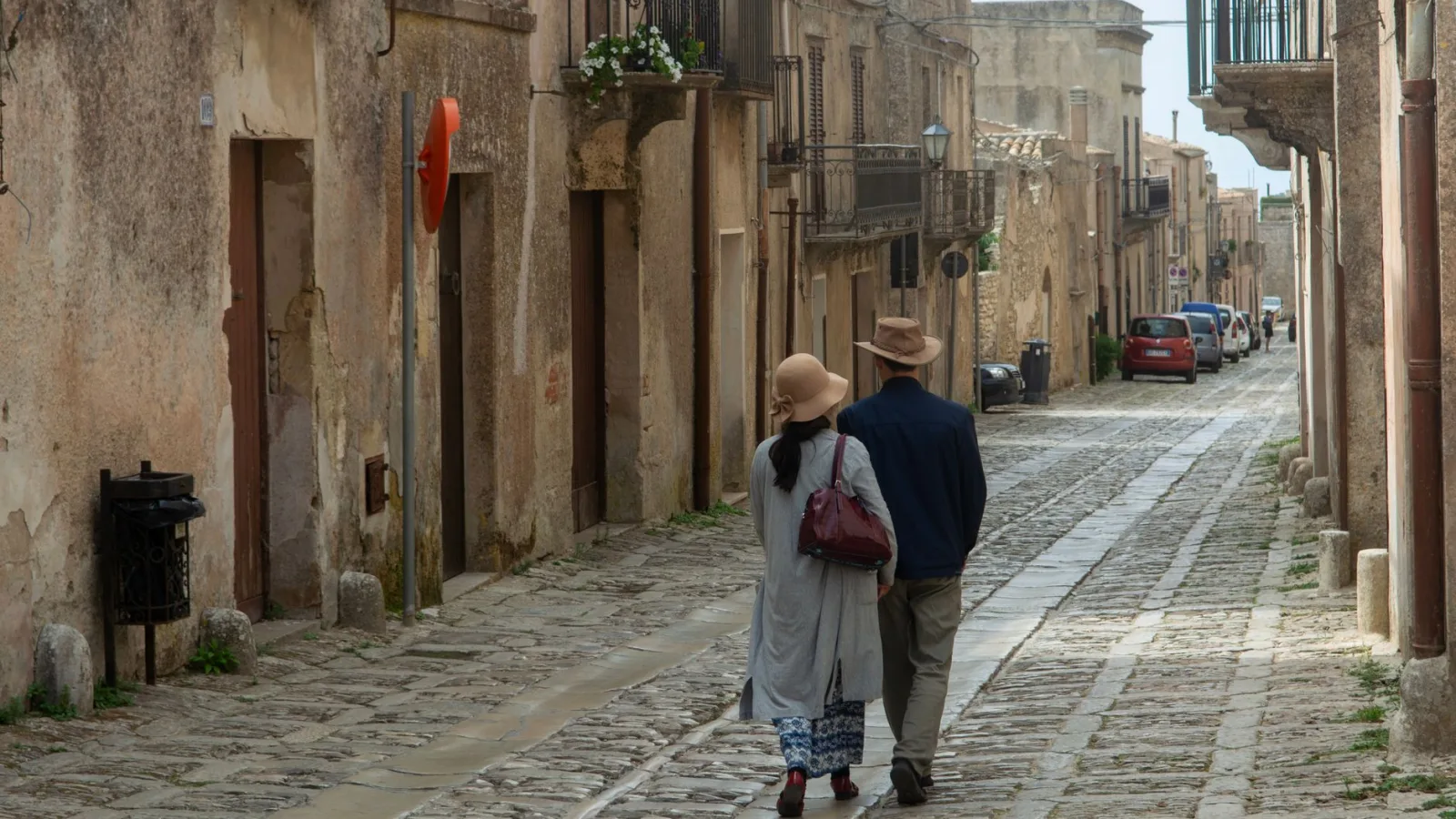
The blunt answer
Yes, in a few specific places. No, almost everywhere else.
North Cyprus was developed around the car, and it shows. There is no railway. Pavements come and go. Distances between a housing complex and the nearest shop are often just far enough to be unpleasant in August. If you picture yourself living here without driving, you are not being unrealistic, but you are narrowing your search radius dramatically, and you need to know that before you start looking rather than after you have chosen a view.
People do it successfully. They tend to be people who chose the address for that reason, not people who happened to end up somewhere walkable.
Where it genuinely works
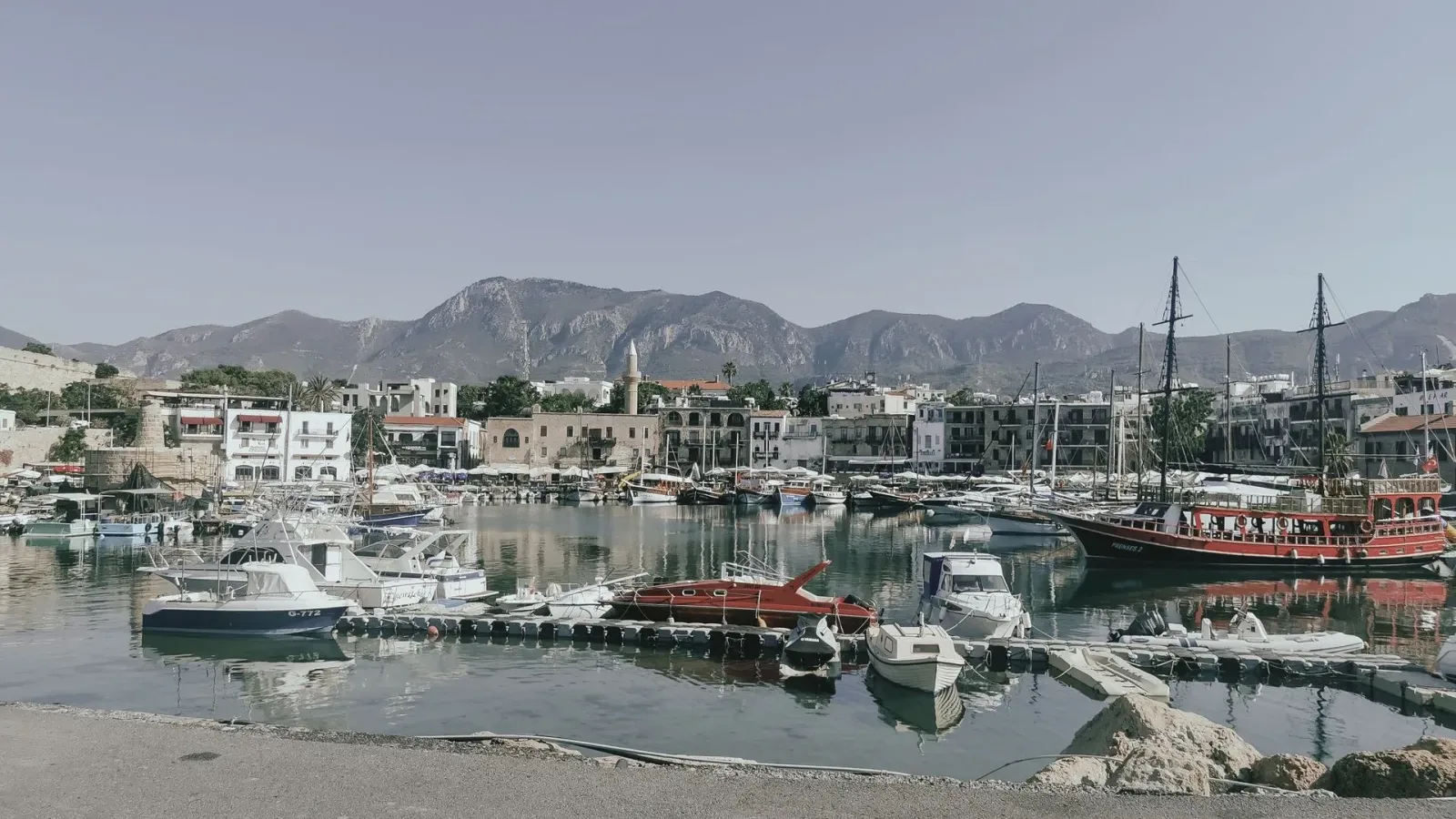
Central Kyrenia. This is the strongest answer on the island. Inside the ring of streets around the old harbour you can reach supermarkets, pharmacies, banks, cafés, restaurants, the market and the sea entirely on foot. Taxis are easy to find, minibuses run along the coast road, and there is enough density that daily life does not require planning. It is also the area where the widest range of people already live without a car, which matters because services follow demand.
Nicosia, in the right neighbourhood. The capital is a real city with real urban density. Inside the walls and in the surrounding districts you can live a genuinely urban life with everything close by. It is the least holiday like option on this list and the most functional.
Famagusta, especially near the old town and the university. A working town with student infrastructure means shops, cheap food, transport links and a walkable core. If your budget is modest and you do not want to drive, this deserves more attention than it usually gets.
A small number of village centres. Some villages have a shop, a bakery, a couple of restaurants and a bus that passes. Life on foot inside the village is pleasant. The catch is that anything beyond the village needs a lift, and that includes most medical appointments.
Almost every regret we hear from carless residents starts the same way: the property was lovely and it was eight hundred metres too far from everything.
Where it does not work, however lovely
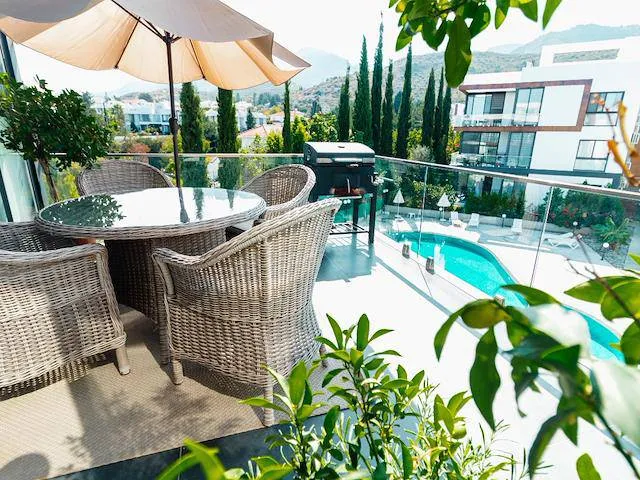
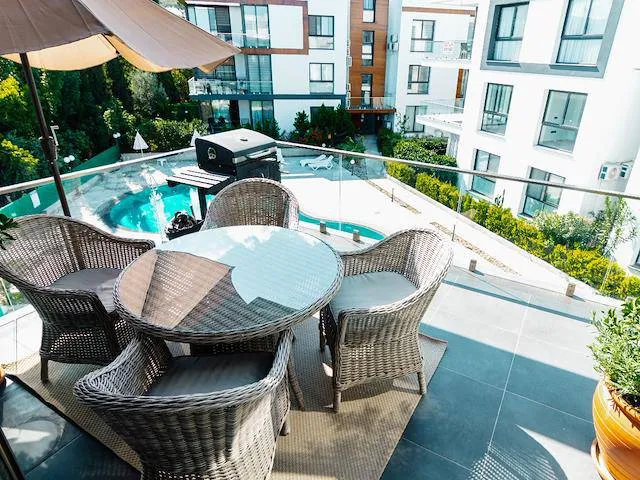
Be honest with yourself about these, because they are exactly the properties that photograph best.
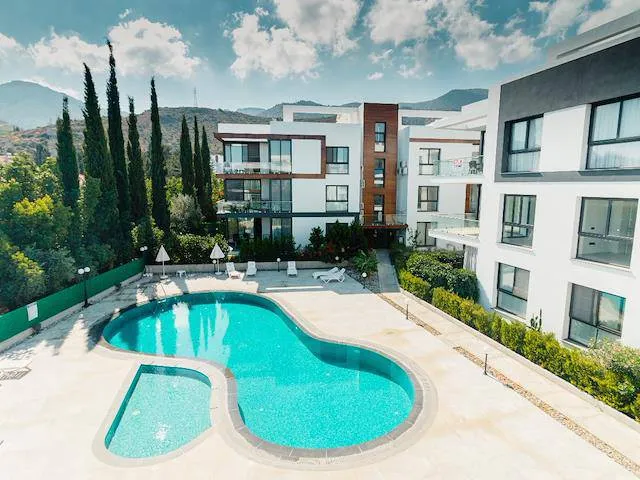
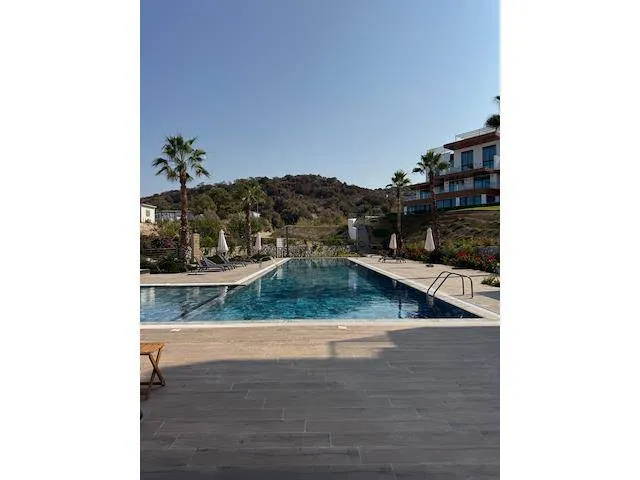
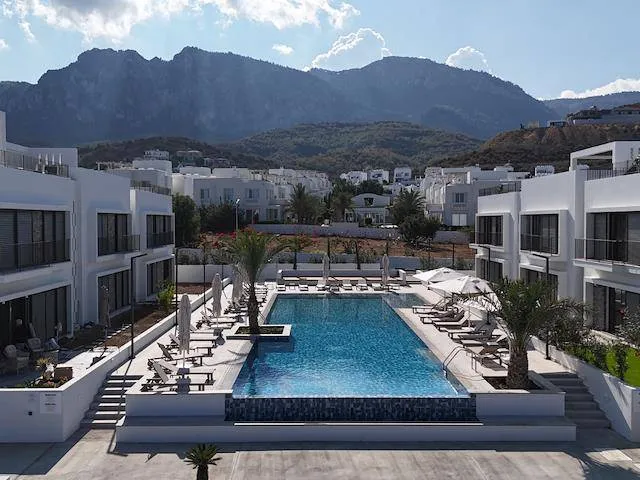
Hillside developments above the coast road look magnificent and sit at the top of a climb that is fine in March and brutal in July, usually with no pavement. Resort complexes on the coastal strips east and west of Kyrenia are typically a long walk from anything, and in winter the nearest open restaurant may be several kilometres away. New developments on the east coast are frequently built before the surrounding infrastructure arrives, so the shop that will one day be there is not there yet. And any address where the only route to a shop involves walking on the edge of a main road is not a walkable address, whatever the distance says.
The test is not distance in a straight line. It is whether there is a safe, shaded, pleasant path, and whether you would still take it at eight in the evening in January or at noon in August.
What transport you actually have
| Option | What it is really like |
|---|---|
| Minibuses, the dolmuş | Cheap, frequent on main routes, and the backbone of carless life. Less useful for anything off the main road, and thinner in the evenings |
| Intercity buses | Connect the main towns reliably and inexpensively. Fine for planned trips, not for spontaneous ones |
| Taxis | Available and straightforward, particularly in towns. Agree the fare in advance and budget for them as a normal monthly cost, not an emergency |
| Walking | Excellent inside town centres, variable elsewhere, and genuinely limited by heat between June and September |
| Cycling and e bikes | Increasingly common and well suited to flatter coastal areas. Take the hills and the driving culture seriously |
| Car hire when needed | The pattern many carless residents settle into: hire for a few days a month and stay on foot the rest of the time |
| Delivery services | Better than most new arrivals expect in towns, and this quietly makes carless living far more workable than it was a decade ago |
A note on driving culture, since it affects walking and cycling: traffic here moves on the left, roads are busier than the quiet photographs suggest, and pedestrian infrastructure is inconsistent. None of that makes walking unsafe in a town centre. It does make walking along a main road a genuinely different proposition from walking along one in Germany.
The address test
Use this at every viewing if you intend to live without a car. It takes ten minutes and it is the most useful thing you can do.
- Walk from the front door to the nearest supermarket, timed, in the shoes you actually wear
- Note whether there is a pavement for the whole route, and whether there is any shade
- Find the nearest minibus stop and ask a local how late the last one runs
- Check the nearest pharmacy, bakery and place you would eat on a Tuesday evening
- Look at the route as a January route: is it lit, does it flood, would you walk it in the rain?
- Ask what happens when you have four heavy shopping bags, because that single question has changed more minds than any other on this list
Buy the location, then decide about the car
Most people who plan to live here without driving end up in one of two positions. Either they chose a central address and genuinely never needed a car, or they chose a beautiful position and bought a car within four months. Both are fine outcomes. The expensive version is buying the beautiful position while believing it will be the first outcome.
So decide the priority first. If not driving is a firm requirement, whether that is by preference, by age or by circumstance, then walkability is not a nice extra on your list. It is the filter that everything else has to pass through, and it will narrow your search to a small number of neighbourhoods where you should then be genuinely picky.
Tell us that you want to live without a car and we will show you a completely different shortlist: central Kyrenia apartments within a real walk of the shops, positions with pavements and shade, and buildings where the people around you are already living this way. It is a much smaller list than the general market, and it is a far more useful one.