
Same month, same money, same coastline
Petra and Jens have never met, which is a pity, because their files sit side by side in our records and read like a controlled experiment. Both arrived in the same spring month. Both had two hundred thousand euros, give or take a rounding error. Both wanted property on the same coastline, and both, in their first email, used the word investment.
Two years later, both are satisfied customers, and their purchases have almost nothing in common. Petra owns a lived-in resale apartment that pays its own bills. Jens owns a contract for a sea-view apartment that does not fully exist yet, worth more on paper than he paid, convertible to cash only with patience. Neither made a mistake. They answered one question differently, mostly without noticing it was the question: when does this money need to have become something?
Petra and Jens are composites of buyers we work with, details changed, numbers rounded. The five moments below are where their identical budgets went separate ways.
Moment one: the brief
Petra, 58, wrote a brief about her life. Retirement in four years, summers on the island immediately, her sister visiting in October, a balcony for morning coffee, and one underlined sentence: I do not want a project. She was buying a place, and the place had a start date.
Jens, 41, wrote a brief about his money. A lump sum from a business sale, fifteen or more years until he needed it back, no requirement to use the property personally, and a different underlined sentence: I want the money working. He was buying an outcome, and the outcome had no address.
Notice what neither brief mentioned: bedrooms, tiles, sea views. Good briefs rarely do. The honest ones are always about time, and everything that followed was already contained in those two underlined sentences.
The same money buys a finished life or an unfinished plan. The only question that matters is which year you need it to become real.
Moments two and three: the shortlist and the money
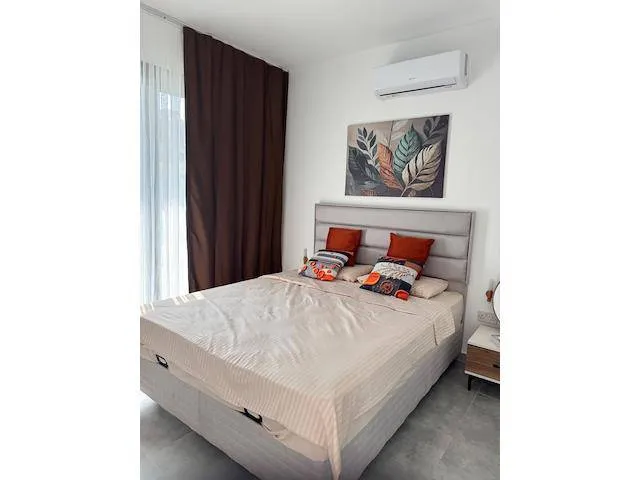
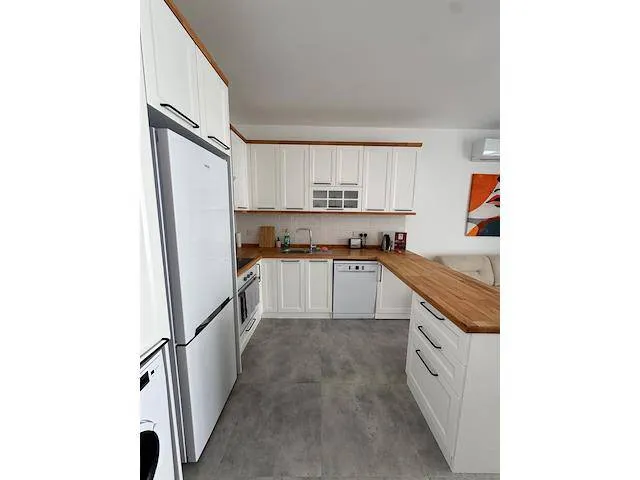
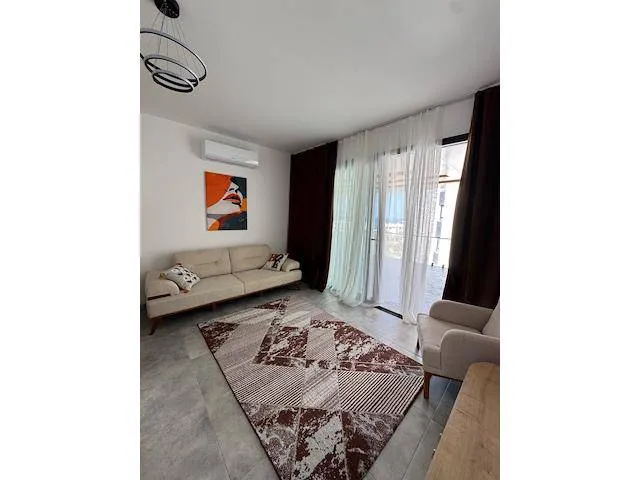
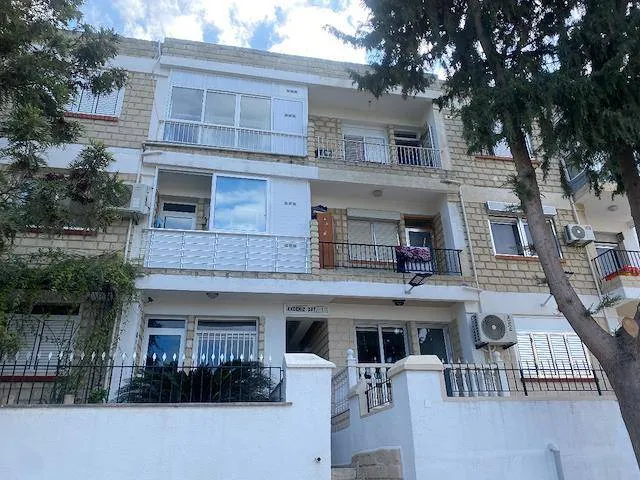
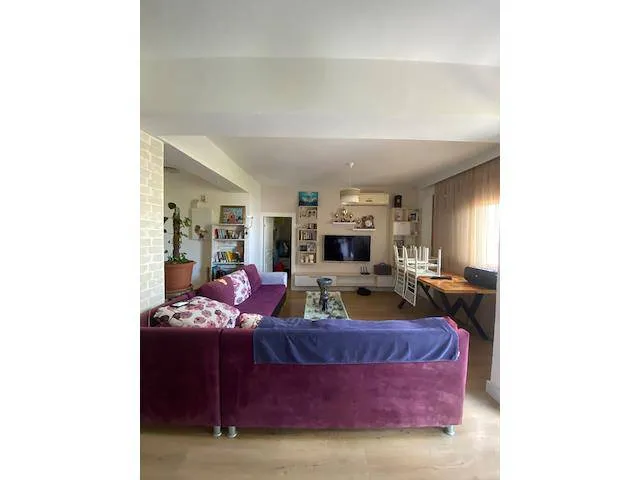
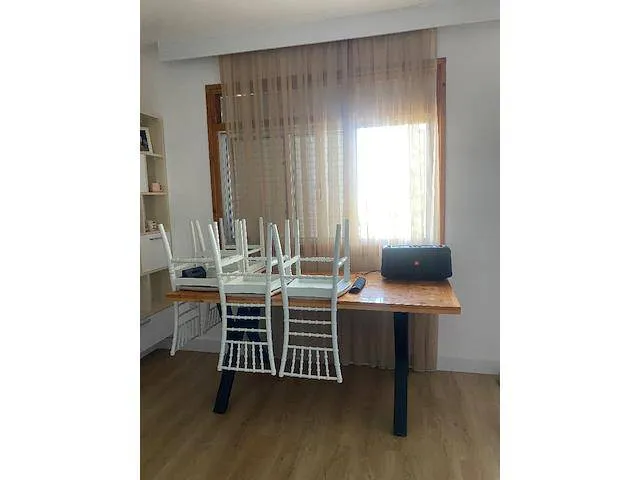
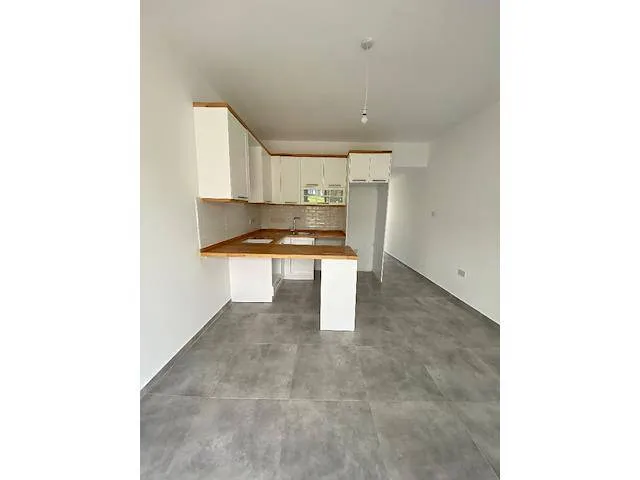
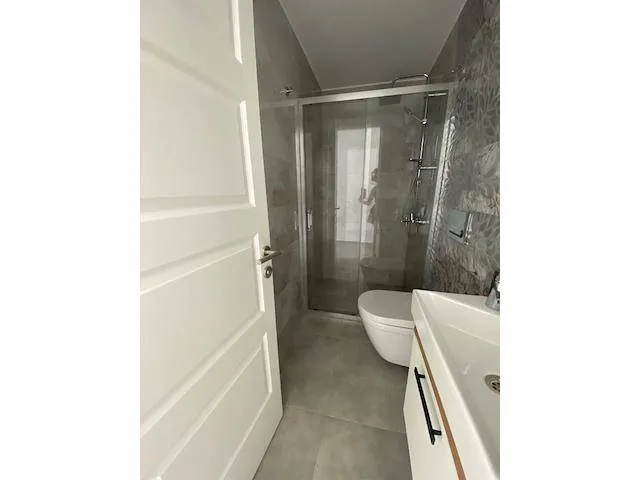
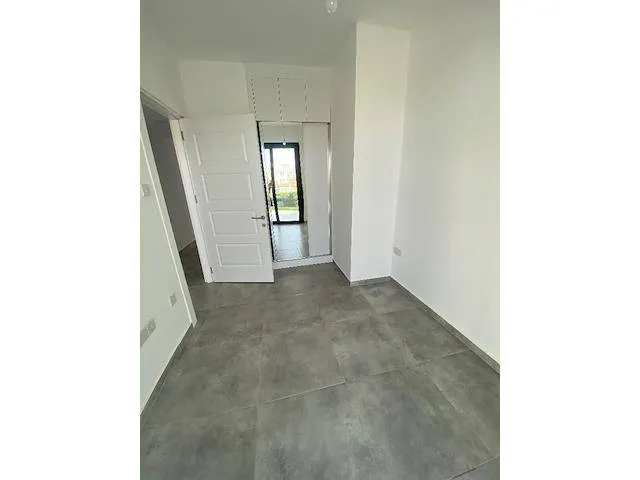
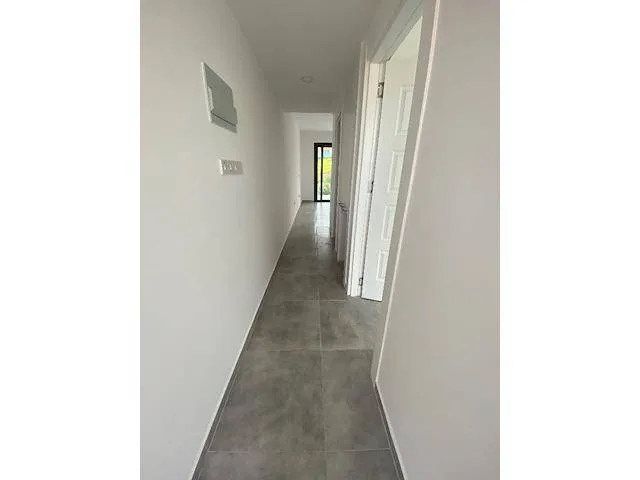
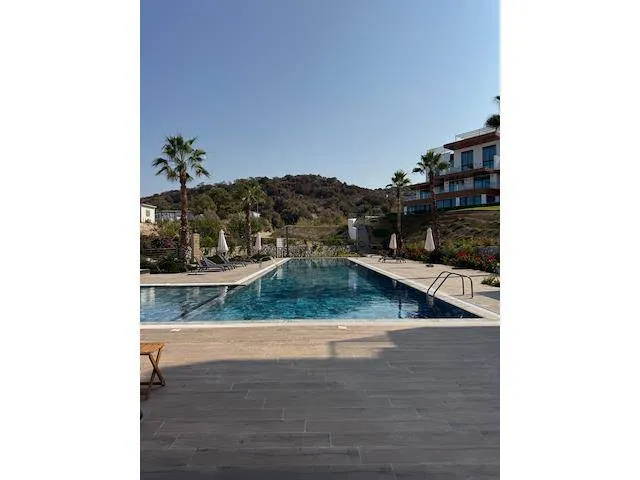
On the viewing trip, the same budget produced two shortlists with no overlap. Petra viewed finished, lived-in apartments in established complexes near Kyrenia, walked the sites in the evening, counted lit windows, read service budgets, and chose a seven-year-old two-bedroom from a returning-home owner: mature gardens, working community, neighbours with names. Jens viewed sales offices and show flats along the Iskele coast, compared payment schedules and developer track records the way Petra compared balconies, and reserved an off-plan one-bedroom with a sea view on the eighth floor of a project eighteen months from completion.
Then the money moved, in opposite shapes. Petra paid essentially at once, price, transfer costs, a small renovation of the bathroom, and was spent out within a season, owning everything she had paid for. Jens paid a deposit and entered a stage-payment schedule stretched across construction, keeping most of his capital in his own account for another year and a half, exposed not to a building but to a promise, protected by a contract his lawyer had gone through line by line, twice. Same sum, two completely different risk shapes: Petra concentrated hers into one owned object, Jens spread his across time and a developer's delivery.
Moments four and five: year one, and the exit question
Petra's first year was furniture, a rental licence question for the weeks she was absent, and octobers on the balcony with her sister. The apartment covered its own service fees and running costs with a modest summer letting season and gave her the thing her brief had actually ordered: a life that started immediately. Her property's value has moved the way settled resale stock moves, gently.
Jens's first year was progress photos, two stage payments, one three-month delay he had been told to expect, and no keys. His paper position improved as the project sold through and list prices rose, and by month twenty he faced the question every off-plan buyer eventually meets, the one we covered in our guide to selling before completion: assign the contract now and take the gain in cash, or complete, furnish and become a landlord. He is completing. The point is that he gets to choose, and Petra never had to.
What the experiment actually proves
Put the two files side by side and the lesson is uncomfortable for anyone hoping a budget decides things: two hundred thousand euros was never the decision. The decision was the calendar. Petra needed the money to be a home within months, so she bought certainty: finished, occupied, gently appreciating, immediately usable. Jens did not need anything for fifteen years, so he bought time: staged payments, construction risk, a paper gain, and options at the end.
Every mismatch we see between a buyer and a property is one of these two files opened by the wrong person. Petra inside an off-plan contract would have been miserable by the second delayed month. Jens in a resale apartment would have been bored by the second quiet one. So before you send us a budget, send us the answer to the underlined question: in which year does this money need to have become something, and what? Tell us that, and we can shortlist like it matters, because it is the only line in the brief that actually decides. Both kinds of listing are on this site, and the honest answer sorts them faster than any filter.