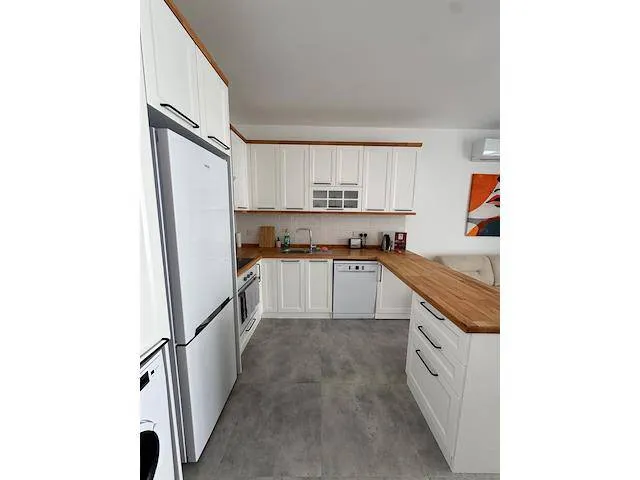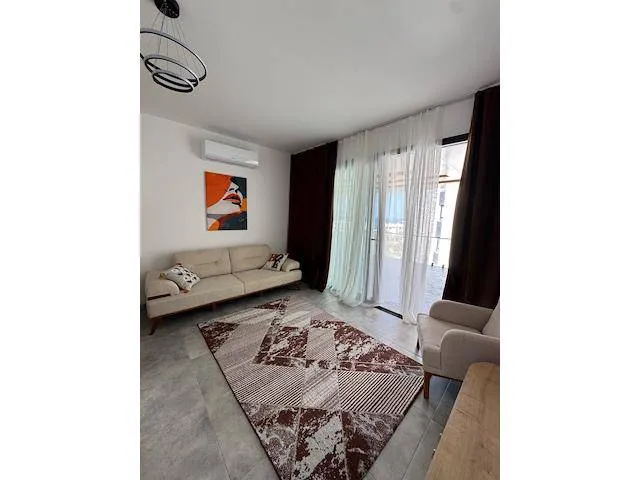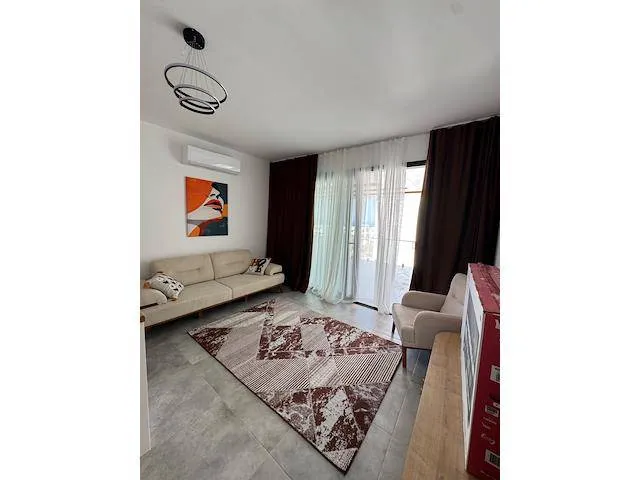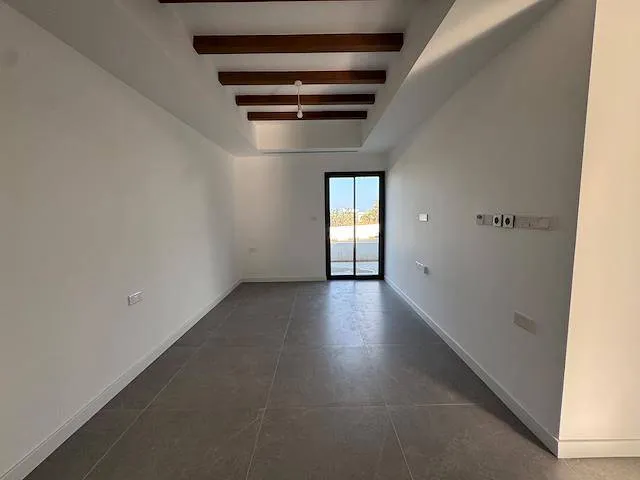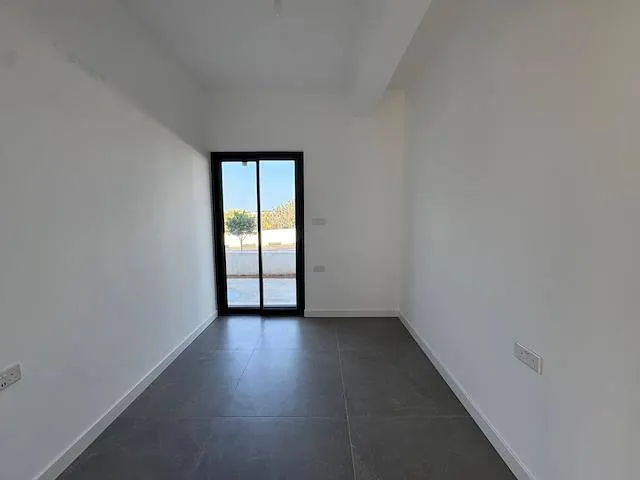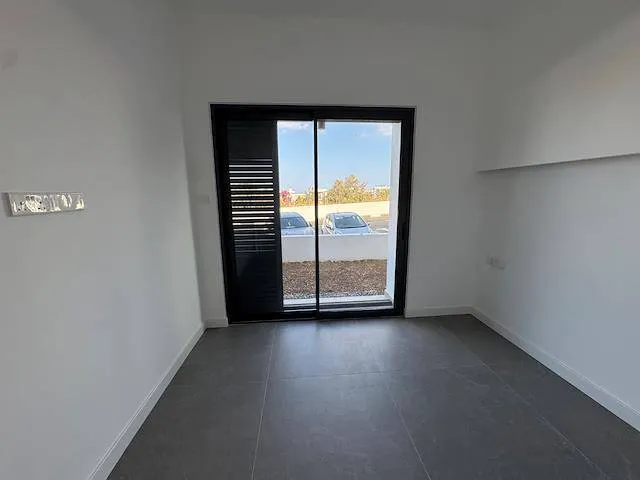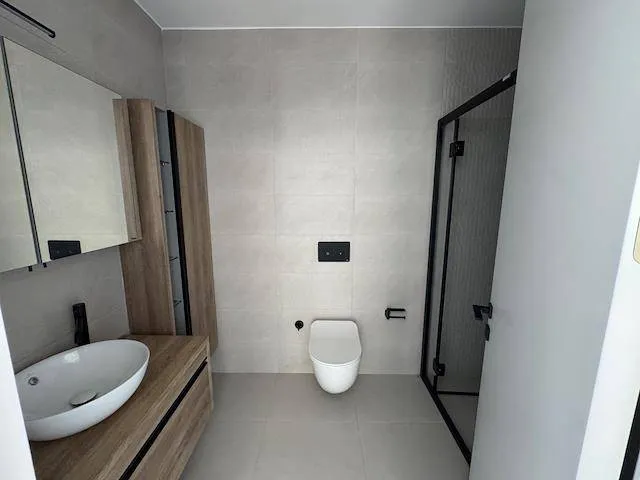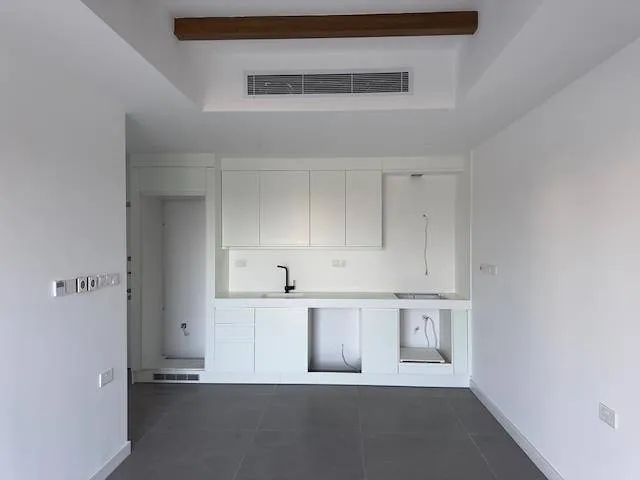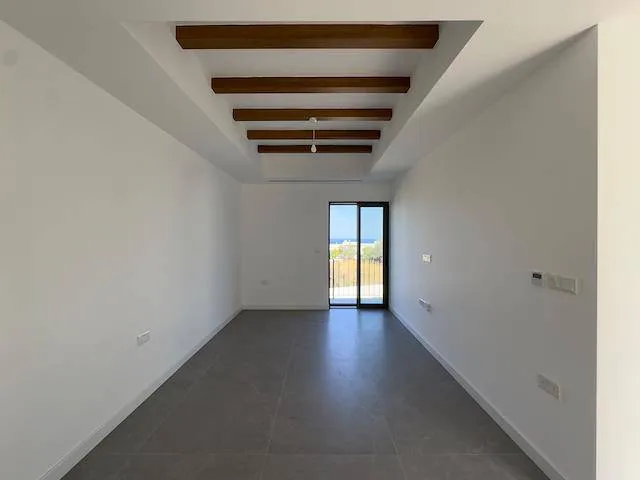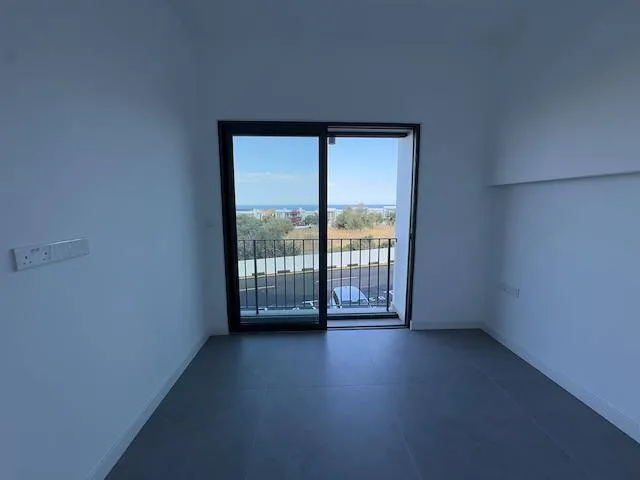



The advert says tenanted until June
A three-line advert: two-bedroom apartment in Kyrenia, sensible price, sea glimpse from the balcony. Then the clause that splits buyers into two camps: currently tenanted until June. Half of the readers see rent arriving from the day they complete. The other half see a door they own but cannot open. Both can be right, and the advert alone will never tell you which buyer you are about to become.
The way to find out is to keep two ledgers side by side, from the first viewing to the day at the Land Registry. One ledger records everything the sale transfers to you. The other records everything the tenancy keeps with the tenant. Every dispute we have seen in a tenanted purchase starts where the two ledgers touch, so that seam is exactly where your questions belong.
Ledger one: what the sale transfers to you
The sale moves the title deed into your name at the Land Registry once your purchase permit as a foreign buyer is granted, and with the deed comes the landlord's side of the tenancy. That is more than a promise of keys later. You inherit the duty to keep the property in the state the tenancy contract requires, the site and service fees the landlord carries, and, crucially, the liability to return the tenant's deposit when they move out, whether or not the seller ever hands that money to you.
In common practice the deposit was paid in cash years ago and was never held separately, so ask for it as a deduction from the purchase price at completion rather than as a promise. That single line in the contract prevents the most frequent argument we see. What the sale does not transfer is possession. Possession sits on the other ledger.
A sale transfers the deed, not the door: nothing on the tenant's ledger changes because the property changed hands.
Ledger two: what stays with the tenant
Nothing on the tenant's side changes because the property is sold. A sale is not a notice, and it does not reset the rent.
| The sale transfers to you | The tenancy keeps with the tenant |
|---|---|
| Title deed in your name at the Land Registry | Possession until the tenancy lawfully ends |
| The landlord's duties: repairs, site and service fees | The rent at the figure in their contract |
| The right to receive the rent | Notice rights under the contract and local practice |
| Liability to return the deposit | The claim to that deposit, against whoever is landlord on moving-out day |
The rent figure deserves a second look. The tenant owes the rent in their contract, not the number quoted in the advert, and after completion they owe it to you at that contractual level until both sides agree new terms.
Four seams where disputes start
Watch the four points where the ledgers touch, because that is where tenanted purchases go wrong:
- The deposit. The seller holds the cash, you inherit the liability. Close the seam with a written completion deduction.
- The notice. A seller who promises the tenant will be gone by completion is making a claim about another person's rights. Ask your lawyer whether valid notice has actually been served, and never fix your own moving date to an eviction nobody can guarantee.
- Viewing access. Until completion the apartment is the tenant's home, so viewings happen at their convenience. A tenant who accommodates them graciously is telling you something useful about the years ahead.
- The rent after completion. From the transfer day the rent is yours, but the tenant may still pay the old landlord out of habit. Have a letter signed at completion that names your account, and ask before you buy for proof of the last three rent payments. Many North Cyprus tenancies run on cash or personal transfers with a thin paper trail, and that payment history is a more honest tenant reference than any written one.
What your lawyer should confirm rather than assume
Ask for the tenancy contract in writing, and if there is none, treat the terms as unknown rather than flexible. Your lawyer should confirm how long the tenancy is documented to run, what it says about sale and notice, whether any notice already served would stand, how the deposit is recorded, and how the tenancy sits alongside your purchase permit timeline, because the permit can take months while the tenancy keeps running.
You will notice we quote no notice periods and no eviction timescales here. Outcomes depend on the contract, the facts and how the law is applied at the time, and none of that is certain in advance. What a good lawyer can give you is a realistic range for your specific case before you sign, which is the moment you can still trade that uncertainty against the price.
Asset or cost: the honest test
Three questions decide which advert you are looking at:
- Do you need possession? If you are buying to live in, a sitting tenant is a cost with an uncertain end date. Price that in or walk away.
- Does the rent stand up? A documented tenant paying close to market rent means yield from day one, with no void period, no furnishing budget and no finder's fee.
- Does the paperwork close the seams? Deposit deducted, rent letter signed, tenancy in writing.
Two good answers out of three usually make a tenanted home better value than an empty one, partly because every buyer who needs to move in immediately has already walked away and thinned the competition. If an advert like this is sitting in your inbox now, send it to us with whatever tenancy details you were given and we will tell you which ledger the missing information belongs to. And since sitting tenants live in finished buildings, the ready homes below are exactly where this opportunity hides.