The questions change when a toddler is in the car
We notice it on viewings. When a couple arrives with a small child asleep on the back seat, the questions change. Nobody asks about rental yield. They ask how far the nursery is, whether the pool has a gate, and where you take a child with a fever at ten in the evening. Those are the right questions, and this article answers them.
North Cyprus is, by most everyday measures, an easy place to be small. The season is long, the pace is slow, and children are welcome almost everywhere, in restaurants, in shops, in the queue at the bank. But daily life with children under ten runs on details, and the details are worth knowing before you choose a house.
Nurseries and kindergartens: the choice behind the choice
Childcare here is private. The towns around Kyrenia, and increasingly Iskele and Famagusta, have a spread of nurseries and kindergartens taking children from their first birthday, some earlier. Several around Kyrenia work partly or fully in English; the rest are Turkish speaking, often smaller, warmer and closer to home. Fees vary with hours, meals and age, and most families we work with plan for a monthly amount in the low hundreds of euros per child. Treat that as a planning band rather than a price list, and confirm current fees directly, they move with the school year and the exchange rate.
The real decision is language, and it shapes more than the child's day.
| Turkish speaking nursery | English speaking nursery | |
|---|---|---|
| Language after a year | Children usually speak everyday Turkish before their parents do | English strengthens, Turkish stays limited |
| Friendships | Local families and settled internationals | Mostly expat families, more turnover |
| Path to school | Eases entry to local schools | Leads naturally to the private English schools |
Neither is wrong. Families planning to stay for good often choose Turkish; families who may move on tend to choose English. Visit two of each before deciding.
Ten minutes to a nursery you trust is worth more than five minutes to the sea. The drop off happens five mornings a week; the beach will wait for Saturday.
Doctors for small people
Routine care runs through private clinics, and it runs quickly. Paediatricians in Kyrenia, Nicosia and Famagusta see patients by appointment, usually within days, and standard vaccinations are available privately; German families often coordinate the schedule with their paediatrician at home. For urgent cases, the private hospitals in Kyrenia and Nicosia run emergency departments around the clock, and parents learn early how it works: you simply drive in, you are seen fast, and you pay at the desk or through your health insurance.
The habit that serves families best is simple. Choose a paediatrician in your first month, before you need one, and save the clinic's emergency number in both parents' phones. Health cover for the whole family belongs in the budget from day one.
The beach and pool year
The reason families come is real. The sea is warm enough for children from late spring well into autumn, and small children live outdoors here for more of the year than almost anywhere their parents could have moved from. The shallow sandy bays west of Kyrenia around Alsancak and Lapta, and the long flat beach at Iskele, are where you will find the pushchairs.
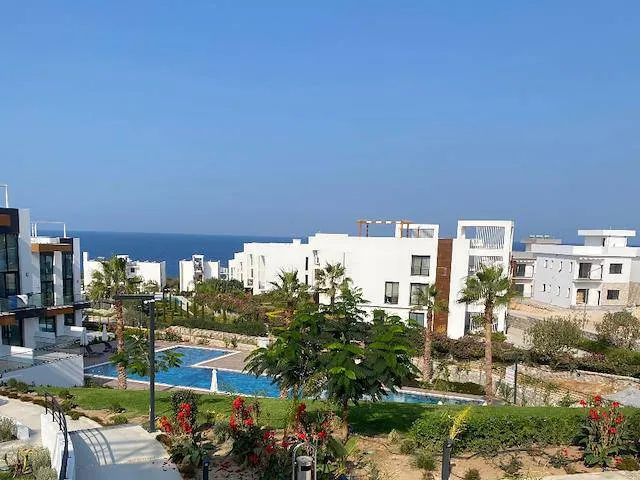
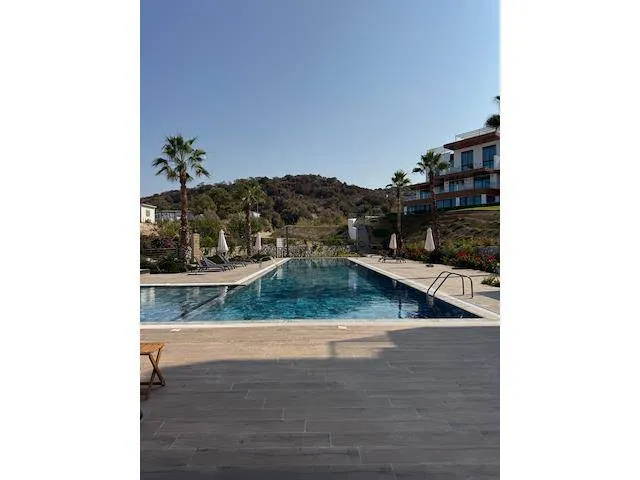
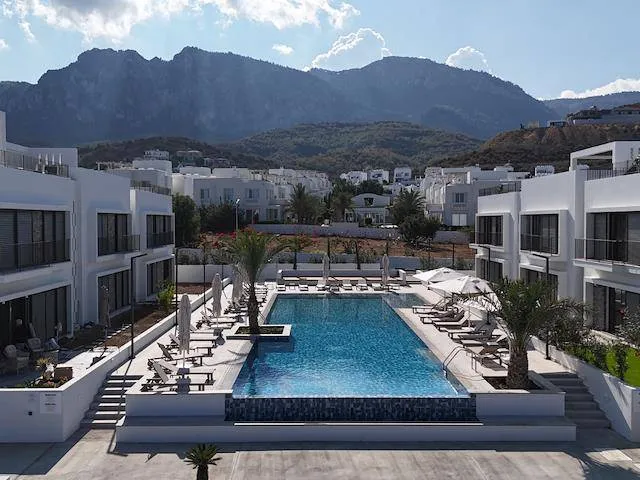
July and August demand discipline. The beach morning ends by ten, the afternoon happens indoors or in deep shade, and the sea comes back after five. Sites with pools are a blessing and a responsibility at once: check whether the pool is fenced or gated, whether there is a proper toddler pool, and what the site rules say about unaccompanied children. With toddlers, those rules matter more than the tiling.
Car seats, supermarkets and the hunt for shade
Bring your car seats when you come. The models sold locally are fine, but the choice is narrower and you know your own seat's history. Supermarkets will surprise you in a good way: the larger chains stock nappies, formula and familiar European brands, and the weekly market adds fruit that ripened on the tree rather than in transit.
Playgrounds are a mixed picture. The best ones belong to newer complexes and to a handful of municipal parks in the towns, and from June to September the deciding feature is shade. Families learn quickly which playgrounds have trees or sails and plan the afternoon around them.
Finding your people, and choosing where to live
The parent community assembles itself faster than most arrivals expect. The nursery door at pickup time is the island's most effective social network, and the online expat groups fill in the rest: secondhand cots, weekend meetups, a doctor recommendation at midnight. Families routinely tell us they had a circle here within a couple of months that took years to build at home.
Where you live shapes all of it. With small children, choose the calm complex over the strip with the bars, and let the nursery run beat the beach run. Ten minutes to a nursery you trust is worth more than five minutes to the sea, because the drop off happens five mornings a week and the beach will wait for Saturday. Alsancak, Lapta and the quieter parts of Esentepe fit that brief well.
What gets harder, and what comes next
Honesty belongs in this article. Paperwork for a newborn takes patience: a birth here passes through the local registry and then the consular route of your home country, and the passport takes longer than you want it to. Deep summer with a pram is genuinely hard, and residents plan around it rather than pretending otherwise. And the grandparents are a flight away, via Ercan or Larnaca, which is easy most of the time and painful sometimes: at short notice, at Christmas, when a child is ill.
None of this outweighs the everyday: the outdoor year, the safety, the pace, the fruit. And the nursery years end. School age brings its own questions, curricula, fees and the choice between systems, and the journal covers those in their own articles. If your children are still small, come and see an ordinary Tuesday morning here. It argues better than we do.