

Day Four, and Someone Asks for Money
You viewed on Saturday, liked the penthouse more than you planned to, and by Tuesday there is a polite message: to hold the unit, the developer asks for a reservation deposit. No contract exists yet. Your lawyer has not read a single page. This is the point where most buyers either freeze or pay too casually, and both reactions come from the same gap: nobody has explained what this money actually does once it leaves them.
So follow it. From the second it leaves your account to the day it is either absorbed into the price, sent back, or kept, the deposit travels a route you can map in advance. Buyers who can map that route pay calmly and on their own terms. Buyers who cannot are negotiating blind.
Leaving Your Account: the Payment and the Receipt
First, the amount. For planning purposes, most reservation deposits we see in North Cyprus fall somewhere between 1,000 and 5,000 euros, occasionally more on large villas. Treat that as a cautious range, not a rule, and confirm the current figure for your project before paying anything.
Pay by bank transfer whenever possible and keep the confirmation. A card payment is acceptable. Cash should be a last resort, and only against a signed receipt. Whatever the method, the paper trail must state:
- the exact property: project name, block and unit number, not just an address
- the amount and currency paid
- the agreed purchase price this deposit locks in
- the date, and the words reservation deposit
- the refund conditions, or a clear reference to the signed reservation form
If the receipt only says received, deposit, ask for it to be rewritten. That one line of specificity costs the seller nothing and protects you for weeks.
The deposit's ending is written before you pay it; the reservation form decides whether it becomes part of the price, comes home, or stays behind.
Whose Account It Lands In
Your money has three possible landing spots, and they are not equal. The developer's company account is the normal destination on new builds; check that the account name matches the company named in the reservation form, and later in the contract. An agent's account is acceptable only if the agency is the named party holding the deposit and the form says so in writing. A lawyer's client account is the cleanest option of all, because the money is held to order until checks are done; it is not standard practice here, but it is worth requesting on resales.
Here is a check almost nobody mentions: before sending, compare the account holder's name in the bank details with the party named in the form. A mismatch is not always fraud, group companies are common, but you are entitled to a one-line written explanation, and a seller who refuses to give one has just told you something important.
What the Money Does While It Waits
A deposit that sits still is doing three jobs. It takes the unit off the market, which should be confirmed in writing, not implied. It freezes the price and the payment plan, so ask for the agreed plan to be attached to the reservation form rather than promised verbally. And it starts the clock: most forms give you a window, commonly two to four weeks, to sign the contract of sale.
That window is also your lawyer's working time. Title checks, permissions, encumbrances, the developer's right to sell: all of it has to fit inside the period the form defines. The clock cuts both ways, so make sure the deadline is one your lawyer has actually agreed to before you pay.
The Three Endings
Every reservation deposit in North Cyprus ends in one of three ways, and in each case a specific sentence in the form decides the outcome.
| Ending | What triggers it | The wording that decides it |
|---|---|---|
| Credited against the price | You sign the contract within the window | The reservation deposit shall be deducted from the purchase price. It must also appear in the contract of sale itself. |
| Returned to you | The seller withdraws, or legal checks fail | Refundable in full if the vendor withdraws or if searches reveal an encumbrance or defect in title. Many standard forms omit this and it must be added. |
| Kept by the seller | You walk away or miss the deadline | Non-refundable should the purchaser fail to execute the contract within the stated period. This is what you are genuinely staking. |
Where the form is silent, you do not have a right, you have an argument. Refunds are never automatic. The form governs everything, which is exactly why it deserves ten minutes of reading before the transfer, not after.
Ask These Before You Pay a Cent
- Who exactly receives the money, and does the bank account name match the party named in the form?
- Which events refund the deposit in full, and where is that written?
- How many days do I have to sign, and does the window extend if my lawyer is waiting on documents from you?
- Is the full payment plan attached to the form and frozen along with the price?
- Will the deposit be credited against the price inside the contract of sale, in those words?
- What happens if the checks reveal a problem the seller cannot fix in time?
A professional seller answers all six without irritation. Hesitation on any of them is information too.
When Not to Pay at All, and What to Do Instead
A small set of signals means the answer is not negotiate, it is do not pay:
- no written reservation form is offered at all
- cash only, and it has to be today
- the receiving account name does not match the form and nobody will explain why
- the form makes the deposit non-refundable in every scenario, including the seller withdrawing
- the paperwork does not identify the specific unit
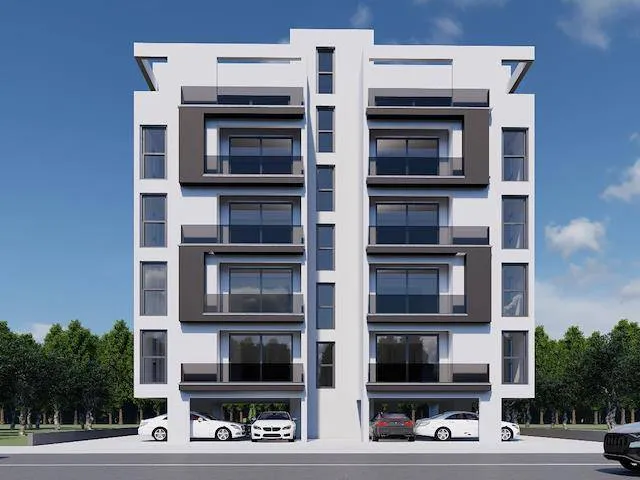
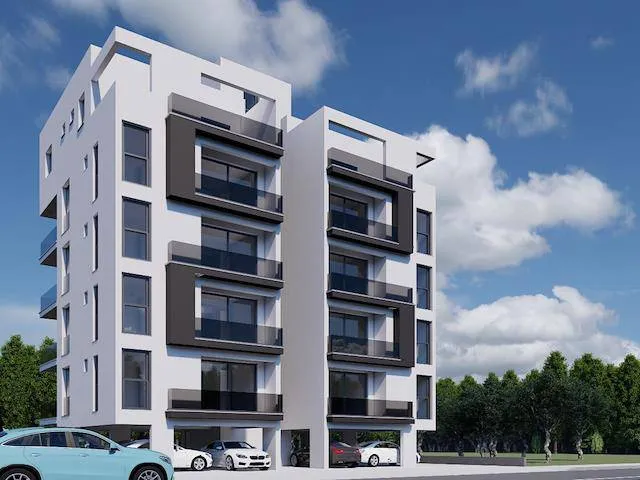
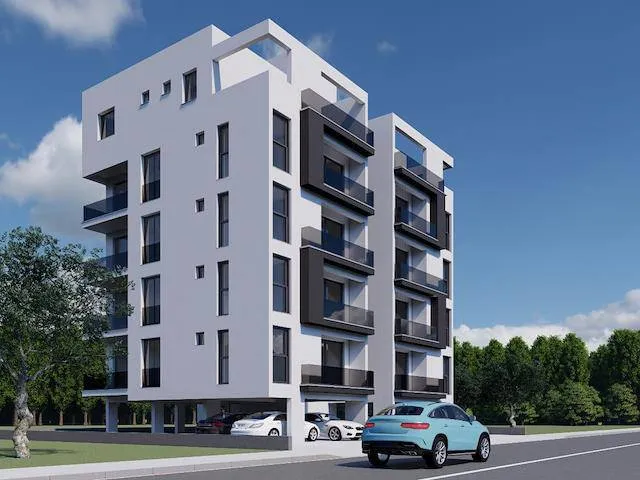
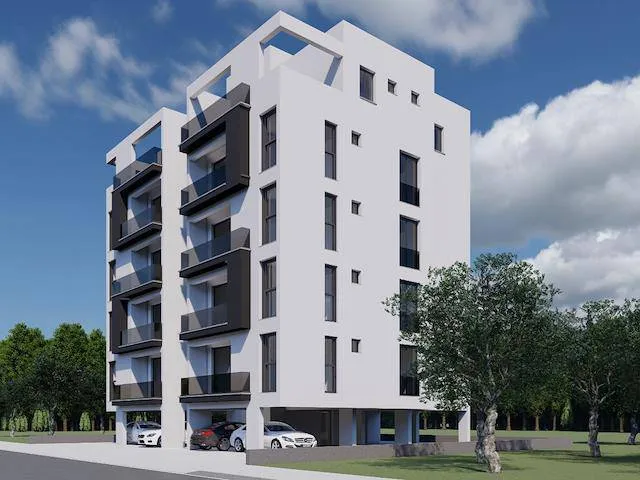
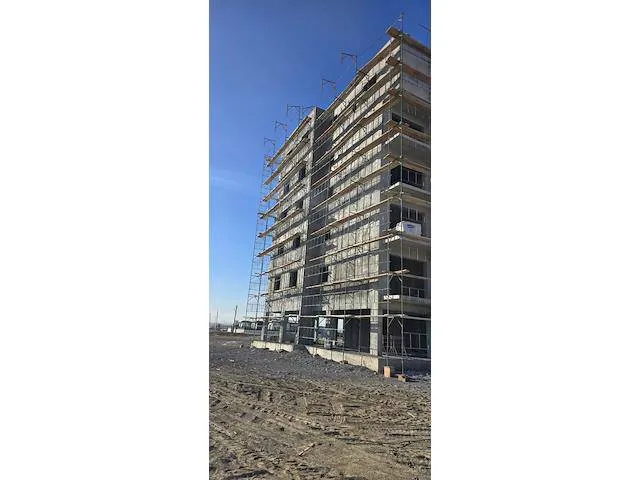
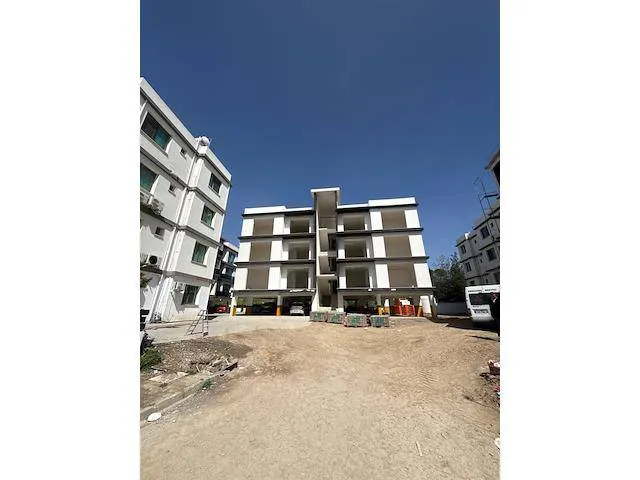
Any one of these, and you keep your money and, if you wish, your interest in the property, until it is fixed. Reservations are most common on under-construction projects, where good units genuinely do go quickly, so the pressure is not always artificial. Browse the under-construction listings below to see what this stage of the market looks like, and before you sign any reservation form, send it to our team. We will point out the three sentences that decide your deposit's ending.