

Case file one: the dog on the third floor
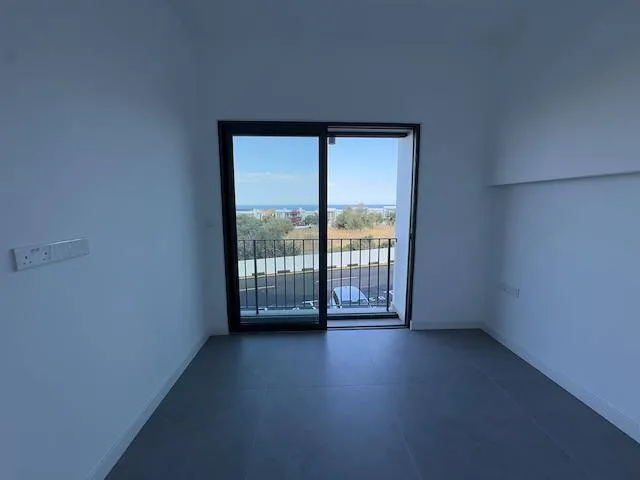
The apartment was perfect: third floor, sea from the balcony, five minutes to the school run. The family viewed twice, reserved, completed, and shipped their household across the Mediterranean, including a gentle, sofa-sized mountain dog who had never bothered anyone in his life.
The rule surfaced at the first residents' meeting. Pets were permitted with management consent, and consent for dogs was capped by weight, a number our mountain dog exceeded roughly threefold. Nobody demanded anything dramatic. There were conversations, a petition of sympathetic neighbours, a compromise about lifts and leads. But the family spent their first season negotiating for a member of the household, which is not what anyone imagines when they buy a sea view.
What it cost: months of unease and one genuinely awkward meeting. The question that would have prevented it: before reserving, ask for the site rules in writing and read the pet clause with your actual pet in mind, size, number and breed, not the abstract idea of one.
Case file two: the balcony barbecue
A retired couple bought ground floor with a wide terrace precisely for slow evenings and charcoal. The first barbecue drew compliments from one neighbour and a complaint from another, upstairs, whose laundry caught the smoke. The second barbecue drew a written warning from management, quoting a rule neither buyer had read: open flame on balconies and terraces was prohibited, full stop, with fines listed per repeat.
What made it sting was that the rule was reasonable. Buildings that stack households vertically have to think about smoke, sparks and gas bottles. The couple switched to an electric grill and, honestly, adjusted within a month. But they had chosen this apartment over a townhouse partly for the terrace evenings they had imagined, and the imagined version was never available.
What it cost: a warning letter, a new grill, some pride. The question: does the rulebook restrict what a terrace can actually be used for, cooking, smoking, storage, plants on railings, before you pay a premium for the terrace.
Site rules read like fine print until the morning one of them applies to you. Then they read like the reason you chose the wrong building.
Case file three: the seven o'clock swimmer
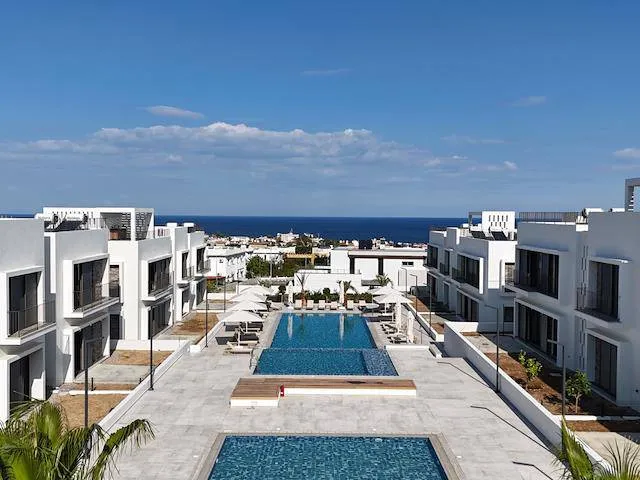
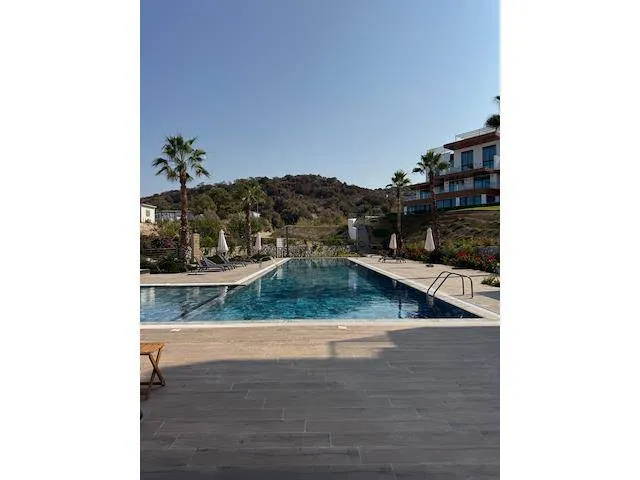
He was a lengths man. Forty lengths before breakfast, his whole adult life, and the complex pool was the reason he shortlisted the site. The pool was genuinely excellent. It opened at nine. It closed at seven in the evening, precisely the hours he was never going to use it, and from November to April it was closed altogether, unheated, winterised under a cover.
He raised it at the annual meeting and learned the other side: opening earlier meant lifeguard or liability questions, heating meant a fee increase the majority did not want. Both positions were sensible. Neither included his morning swim. He now drives to a gym pool three mornings a week, which works, and which he could have known before buying by asking two questions instead of admiring the water.
What it cost: a gym membership and a small daily commute he specifically bought to avoid. The questions: what are the pool's opening hours and season, in writing, and is heating on any agenda, because a pool you cannot use on your schedule is landscaping.
Case file four: the glazed balcony
A couple from Hamburg glazed their balcony in October, a neat folding-glass system that turned it into a winter room. They had asked the installer whether it was allowed and received the answer installers give. By December, management requested removal, citing the uniform facade rule that protected the look, and the value, of every unit in the building. A committee could approve alterations, but approval had to come first, and retroactive requests started from a weak position.
It resolved better than it might have: the committee eventually approved a standard glazing specification for the whole building, and their system happened to match it. They were lucky. The owner two blocks over with the non-matching frames was not.
What it cost: three months of uncertainty over a four-figure installation. The question: what is the procedure for exterior alterations, glazing, awnings, satellite dishes, air conditioning positions, and does anything you already plan need committee or municipal consent before, not after, the installer's van arrives.
Case file five: the second car
A working family, two jobs in different directions, two cars, one allocated parking space. The listing had said parking available, which was true, singular. Visitor spaces existed but carried a rule: no resident vehicles overnight, enforced in the polite, relentless way small communities enforce things, with notes under wipers.
The second car spent a season migrating between the street outside, a rented space in the next building, and marital negotiation. The rented space won. It costs little, but it was never in the budget, and on viewing day it had been avoidable: the parking plan hung framed in the lobby, one space per unit, there to be read.
What it cost: a modest monthly rent and a recurring conversation. The question: exactly how many spaces belong to this unit, where are they, and what do the rules say about second cars, trailers, motorbikes and visitors.
How to read a rulebook before you own it
The five families above are composites of situations we see repeatedly, with details changed, and they share one feature: every rule that caught them was written down and available before purchase. Nobody hid anything. The rules were simply never requested, because viewing days are for light and sea and kitchens, not clauses.
So borrow our checklist. Before reserving in any complex, ask for three documents:
- The current site rules, the full version, not the summary, in a language you read confidently
- The minutes of the last annual meeting, where you will see which rules are contested and what fee or rule changes are being proposed
- The parking and communal areas plan, with your unit's entitlements marked
Then read them against your actual life: your dog, your grill, your morning swim, your second car, your balcony plans. Rules also change by vote after you buy, so the meeting minutes tell you which direction the community is moving. For every complex we list, we hold the current rules and will translate the clauses that touch your plans before you reserve. Ask us for them the way you would ask for the price, because they shape daily life at least as much.