
Why it never makes the list
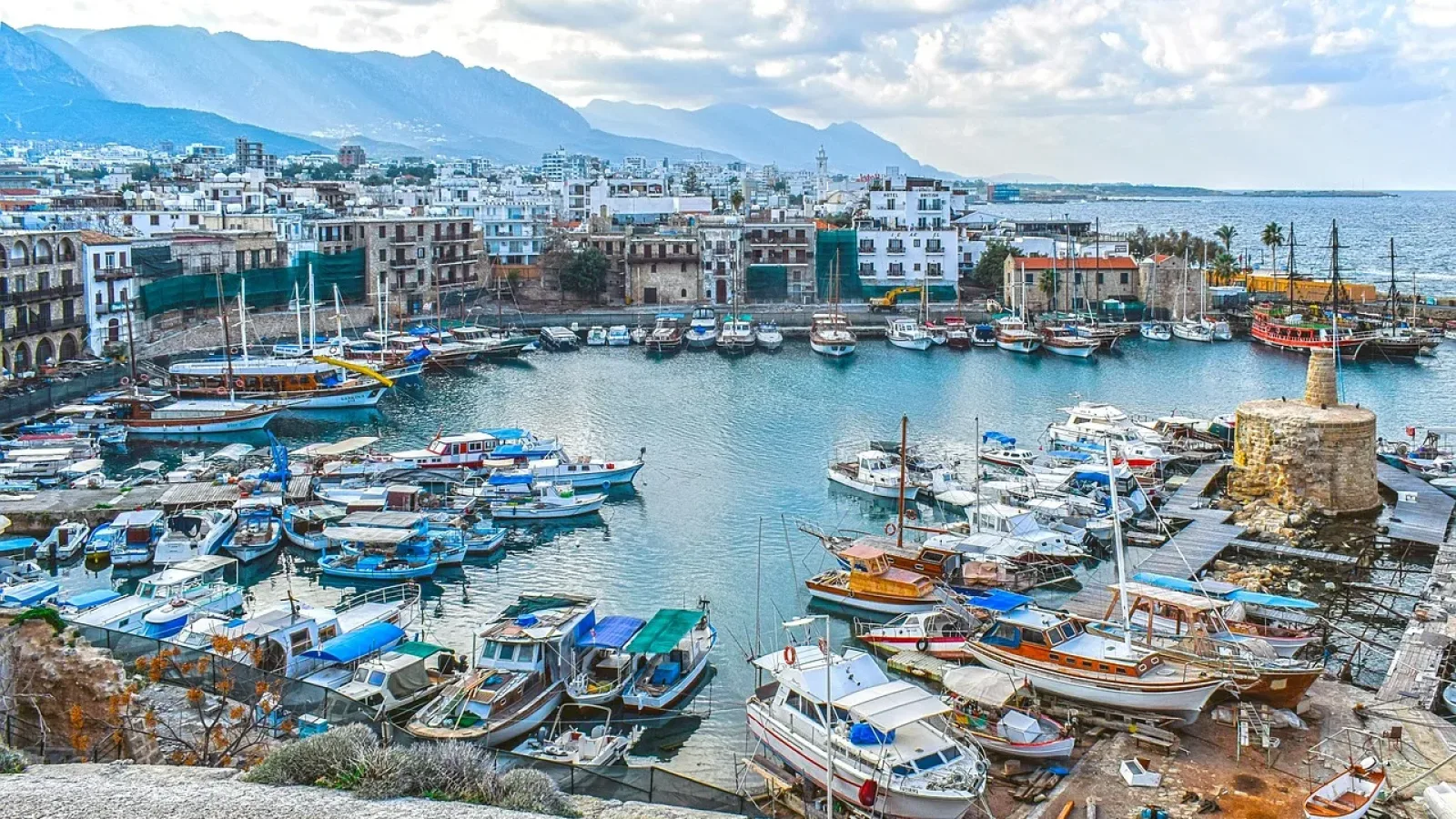
Ask a German buyer to name three places in North Cyprus and you will hear Kyrenia, Iskele and Esentepe. Nicosia comes up fourth if at all, usually as somewhere you drive through on the way from the airport.
The reason is simple and not unreasonable: it has no sea. For a buyer whose entire mental picture of the island involves a balcony and a view, that ends the conversation before it starts.
But a meaningful share of the people who live here full time are in or around the capital, and they are not there by accident. It is worth understanding what they know, even if you conclude at the end of this that the coast is still right for you. Plenty of readers will, and that is a perfectly good outcome.
What the city actually is
Nicosia is the administrative and commercial centre. Government offices, head offices, the main hospitals, the larger universities and most of the serious professional services are here. So is the bulk of the year round working population.
It is also a genuinely old city with a walled centre, and the only divided capital in Europe. That last fact is the one visitors remember, but for a resident it is less dramatic than it sounds and simply part of the geography.
Practically, it feels like a working Mediterranean city rather than a resort. Traffic exists. Parking is a topic. There are proper shops rather than tourist shops, restaurants that are full on a wet Tuesday in January, and neighbourhoods where the same families have lived for generations. The change of pace from a coastal development is immediate and, depending on the person, either a relief or a shock.
The coast sells the island. The capital runs it. Those are two different purchases and only one of them is on most shortlists.
Who actually buys here
| Buyer | What they are solving |
|---|---|
| Families relocating for work | Being near the office, the schools and the hospitals rather than commuting over the mountain daily |
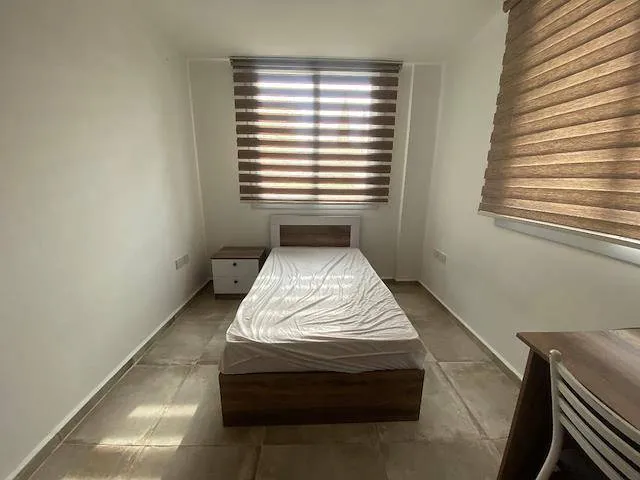
| Parents of university students | A property that houses a student for several years and can be let afterwards |
| Long stay rental investors | Year round tenants rather than a summer season, which is a completely different income profile |
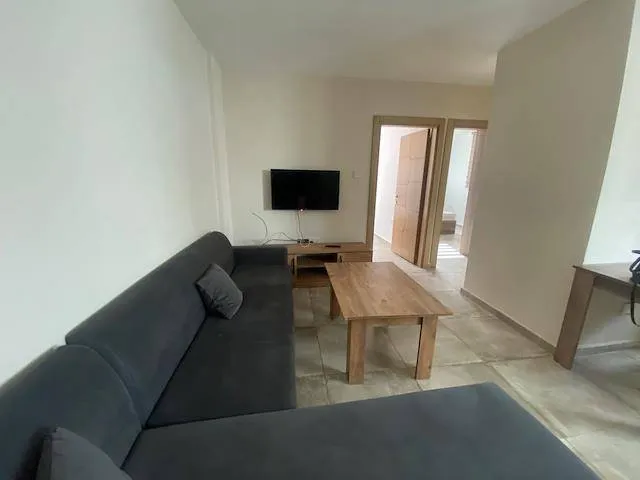
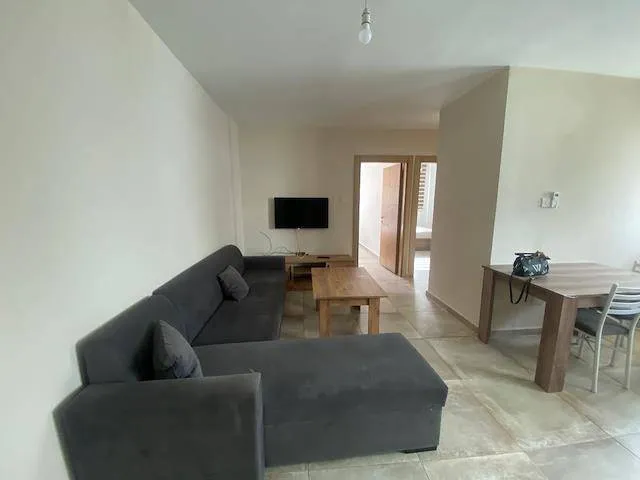
| Buyers priced out of the coast | More floor area, and often a newer building, for the same money |
| People who simply prefer cities | Everything open in February, and neighbours who live here all year |
Look at the second column rather than the first. Nobody buys in Nicosia for the view. They buy it because it answers a specific practical question better than the coast does, and if you do not have that question, the capital genuinely is not for you.
The trade offs, stated plainly
We would rather tell you these now than have you discover them on a viewing.
Summer is hotter. Inland and away from the sea breeze, July and August are noticeably harder than on the coast. Air conditioning is not a preference here, it is infrastructure, and your electricity bill reflects that.
There is no beach. The north coast is reachable for a day out, but it is a drive over the mountain, not a walk. Buyers who imagine morning swims should be honest about how often that will actually happen.
Holiday letting is weaker. Short term demand is not what it is on the coast. If your plan is a holiday let, this is the wrong city. If your plan is a year round tenant, it may be the right one.
Traffic and parking are real. This is a working city, and it behaves like one at eight in the morning.
The resale buyer pool is different. When you sell, you are selling to residents and investors rather than to holiday buyers. That is not worse, but it is a different market with different timing.
What your money does differently here
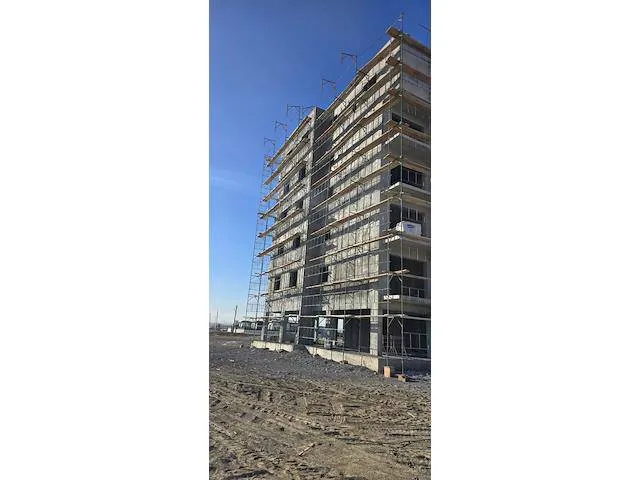
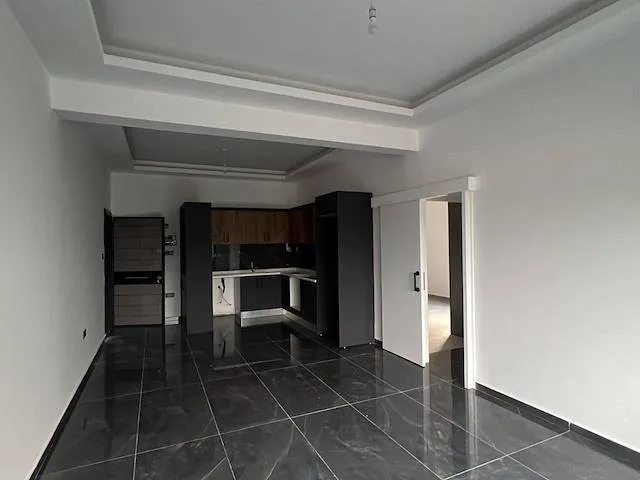
The general pattern, and this is a pattern rather than a promise, is that a budget which buys a modest apartment in a sought after coastal spot will usually buy something larger, or newer, or better located relative to daily life, in the capital. You are not paying the premium that a sea view attracts.
What you give up is that same sea view, and with it the summer letting rate that goes with it. What you gain is a property that is occupied and earning in February.
Two figures are worth asking about specifically before you commit anywhere in the city: the communal charge, and how the building handles cooling. An older block with poor insulation and no lift is a different proposition in August from a newer building designed for the climate, and the gap shows up on the bill every summer for as long as you own it.
How to look at it properly
If the capital is on your list at all, do these three things.
- Visit on a weekday morning. A Sunday tells you nothing about a city. Come at eight thirty, drive the route you would actually drive, and park where you would actually park.
- Walk the specific street, not the district. Nicosia changes character over a few hundred metres far more sharply than a coastal development does. The block matters more than the postcode.
- Drive to the coast once, timed. If you are telling yourself the sea is close, find out precisely how close on a normal afternoon. Then decide with the real number rather than the hopeful one.
We will happily arrange all three, and we will also tell you if we think you are talking yourself into a city because the coastal budget did not stretch. Sometimes the right answer is a smaller coastal property. Sometimes it is a bigger capital one that you will actually live in rather than visit. Tell us which question you are trying to answer and we will show you the properties that answer it.