

The one meeting that prices your year
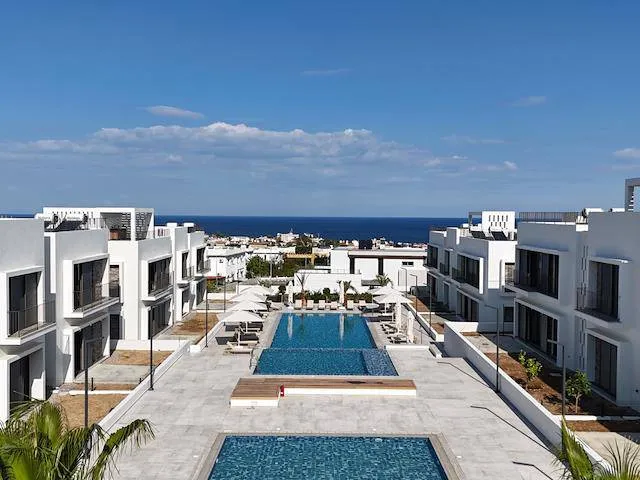
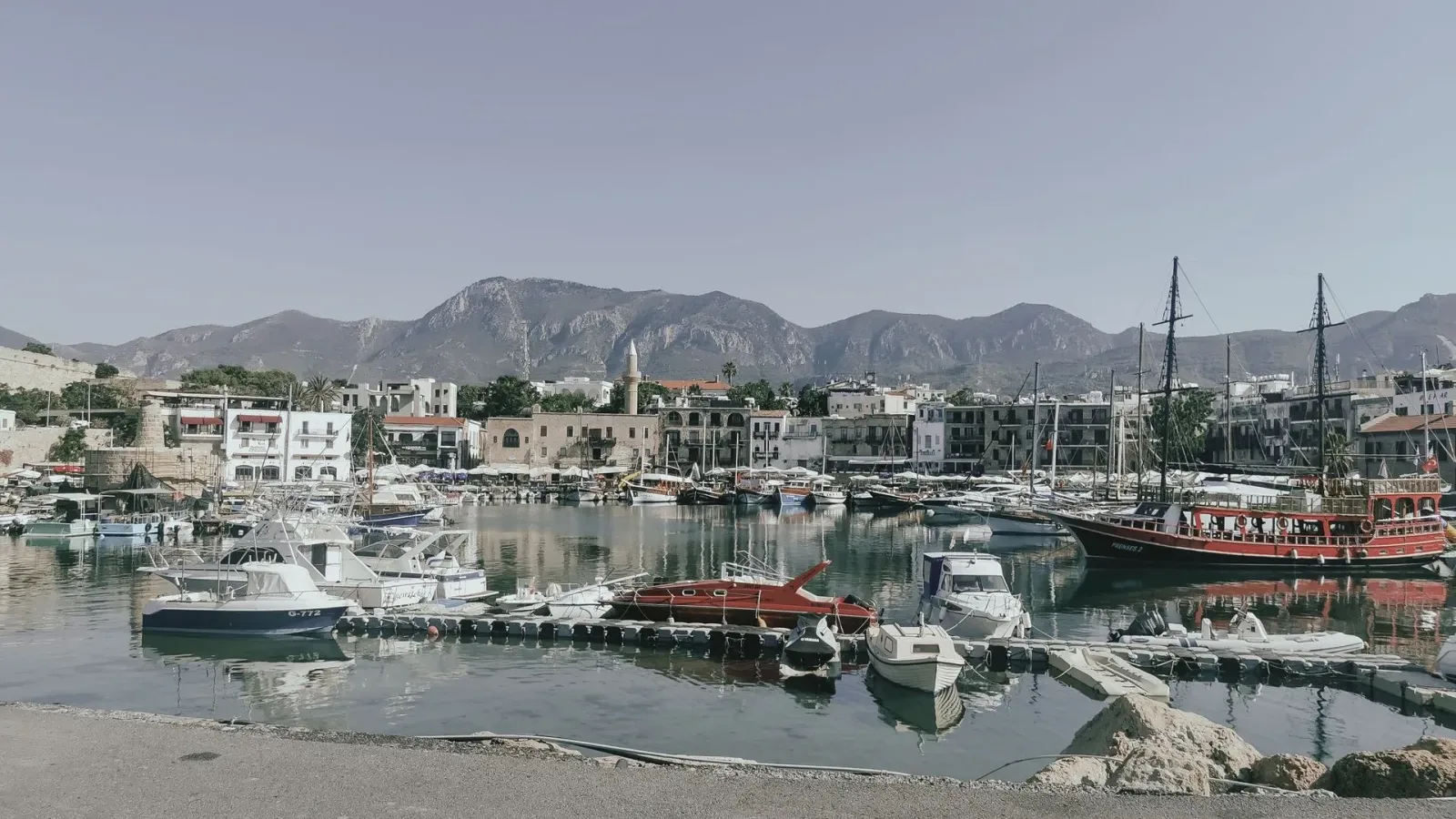
The notice usually arrives as a single email in March or April: the annual general meeting of your site will be held on a Tuesday evening at the poolside restaurant in Kyrenia. If you live in Bonn, that means a flight, a hotel and two days of leave for a two-hour meeting, so most foreign owners quietly archive the message. Then, in June, the service charge is higher, the pool is closed for resurfacing and a new management company answers the phone. None of that happened to you by accident. It was all on the agenda. Below is that agenda, item by item, with notes on what each vote changes and what it costs to be absent.
The agenda, as it usually arrives
Sites in North Cyprus are commonly run under a site management agreement, and it is that contract, not a single statute, that governs how your meeting works, so always check your own agreement first. Even so, agendas look remarkably similar from complex to complex. A typical notice reads like this:
- Welcome, apologies and registration of proxies
- Approval of last year's accounts
- Service charge for the coming year
- Reserve fund: balance and annual contribution
- Capital proposal: resurfacing the main pool
- Appointment of the site management for the next term
- Any other business
The order matters more than it looks. The room warms up on formalities, decides the money in the middle, and settles the arguments at the end, when some attendees have already gone home.
A meeting attended by fifteen owners can set the service charge for a site of eighty, and the charge you never voted on is still fully yours to pay.
Items 1 and 2: who is in the room, and where last year's money went
Item 1 takes five minutes and decides more than any other. Proxies are commonly registered at the start, and if you did not lodge one, your silence is now booked for the whole evening. Some sites only accept proxy forms delivered by a deadline stated in the notice, sometimes 48 hours before, so asking on the night is often too late.
Item 2, approving the accounts, commonly closes the book on last year. Voting them through usually means accepting the diesel bill for the generator, the gardener's overtime and the mysterious line called sundries. Owners in the room can ask for receipts. Absent owners cannot, and once the accounts are approved, questioning that spending later rarely goes anywhere.
Item 3: the service charge, which is really the whole meeting
Everything else on the agenda orbits item 3. This vote sets the number that leaves your bank account every month for the next year, and under most management agreements it binds every owner, present or not. On managed complexes an apartment's monthly charge commonly lands somewhere between about 40 and 150 euros, more where there are lifts, large pools and full-time security. Treat that strictly as a planning range and confirm your own site's current figure before you rely on it.
What absence does here is simple. The budget is commonly approved by the majority in the room, so a meeting attended by fifteen owners can set the charge for a site of eighty. Some agreements then add interest on late payment, and a few sites suspend pool or gym access for accounts in arrears. The charge you never voted on is still fully yours to pay.
Items 4 and 5: the reserve fund and the pool that needs resurfacing
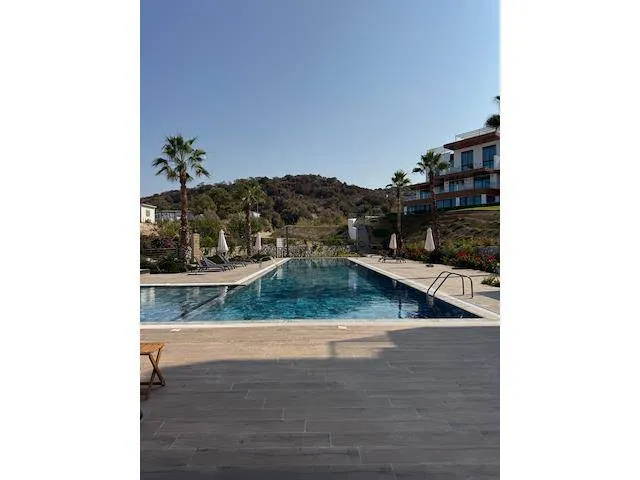
The reserve fund, sometimes called a sinking fund, is the site's savings account for the big jobs: pumps, roofs, repainting, the pool shell. Item 4 asks how much each owner should feed into it. Item 5 is what happens when the fund is short, a one-off levy for a specific job, this year the pool.
The numbers below are planning ranges only, placed here so the stakes feel real; your own site's papers replace them the moment you have them:
| Vote | Planning range only | If you are absent |
|---|---|---|
| Monthly service charge | about 40 to 150 € per apartment | Set without you, still binding |
| Reserve fund contribution | often 10 to 30 € per unit per month | Raised without your voice |
| One-off pool levy | roughly 150 to 400 € per owner | Charged to your account regardless |
A pool resurfacing can pass with a show of six hands on a site of sixty apartments. The levy still arrives on all sixty accounts.
Items 6 and 7: the management contract and the quiet last item
Item 6 decides who answers the phone when the water stops. Reappointing or replacing the management commonly fixes its fee, its scope and its contract term, and a cheap bid that wins the vote can mean fewer gardeners and slower repairs for years. If you ever plan to rent your apartment out, this is also the vote that decides who hands over keys and reads meters on your behalf.
Then comes the item nobody prepares for. Any other business sounds like housekeeping, but it is commonly where house rules are born: pets, parking, barbecues on balconies, and increasingly whether short-term holiday letting is allowed on the site at all. A motion raised under item 7 by a neighbour who dislikes suitcases in the lift can quietly change the economics of your investment. That is the part most articles about AGMs never mention.
How to be in the room from 3,000 kilometres away
You do not need a boarding pass to have a voice. Four habits cover almost every situation, subject always to what your site management agreement allows:
- Lodge a proxy early. Name a specific person you trust, a neighbour who lives on site year-round is ideal, and send the form before the deadline in the notice.
- Ask whether written or emailed votes are accepted for named agenda items; some agreements allow this, many do not.
- For repeated absence, consider a narrow power of attorney limited to owners' meetings rather than a general one.
- Request the minutes and accounts every year regardless. Reading them two weeks later still beats learning about a levy from your bank statement.
And if you are still choosing a property, use all of this to your advantage. On a completed site the meetings have already happened, so the paper trail exists. Ask the seller for the last two years of AGM minutes before you commit; they show the real service charge, the state of the reserve fund and the disputes. Browse our ready properties below, and if one of them sits on a managed site, ask our team to request exactly those minutes for you.