
Start with the answer, not the brochure
Families researching a move usually search for a German school in North Cyprus and find a wall of vague results. So let us be direct. There is no school on the island teaching a German state curriculum to a German school leaving qualification. If your plan depends on your child sitting the Abitur here, that plan needs rebuilding now rather than in August.
What does exist is a well established layer of private, English medium schooling, alongside the free Turkish state system and a set of international programmes. Thousands of foreign families make that work, and many say afterwards that the language switch was the best thing that happened to their children. The reason we open with the bad news is that the families who struggle are almost always the ones who moved first and researched second.
What is actually on offer
| Option | Language | Suits |
|---|---|---|
| Private English medium schools | English, with Turkish lessons | The default choice for foreign families. Concentrated around Kyrenia and Nicosia |
| International programme schools | English | Families who may move again and want a transferable qualification |
| Turkish state schools | Turkish | Free, fully immersive, realistic mainly for younger children or mixed families |
| Private Turkish colleges | Turkish with strong English | Long term settlers who intend to stay through secondary school |
| German at home or online | German | Not a school, but the piece that keeps the door back to Germany open |
Fees at private schools are a real monthly line and vary widely by school and year group, with extras for transport, uniform, lunch, exam entry and trips. Ask for the full annual figure including those extras rather than the headline tuition, and ask what it rose by in each of the last three years. We will happily send you the current list of schools people actually use in the area you are considering, but we will not quote a school's fees to you second hand. Get those from the school in writing.
Ask the question in the right order. Not which school is best, but which school your child can still leave from and land safely on the other side.
Age changes the whole calculation
Primary age, roughly six to ten. This is the easy case and the reason so many families move at this stage. Children of this age acquire English quickly, often fluently within a year, and pick up conversational Turkish from the playground almost by accident. The main risk is not academic, it is German literacy quietly falling behind while everything else goes well.
Lower secondary, roughly eleven to fourteen. Still very workable, but no longer automatic. The child arrives with a subject vocabulary in German and has to rebuild it in English at the same time as the material gets harder. Plan a year of visible effort and pick a school with genuine language support rather than a school that simply seats new arrivals at the back.
Upper secondary, fifteen and above. This is where we tell families to slow down. Moving a child two years before their German school leaving exams, into a different curriculum, in a language they are still building, is a serious decision. Some families split the timing and move once the elder child has finished. That is not defeat, it is planning, and it is far better than a rushed return in year eleven.
Keeping German alive on purpose
The single most common regret we hear from families five years in has nothing to do with the school they chose. It is that German slid. The child speaks English at school, Turkish in the street, German only at dinner, and then discovers at seventeen that studying in Germany requires a level of written German they no longer have.
Families who avoid this treat German as a subject rather than as a background noise. In practice that means reading and writing German at home on a schedule, not just speaking it, keeping a route to a recognised German language certificate, using online German tuition where it is available, and staying in contact with German speaking families locally so the language has a social life and not only a homework life.
Do this from the first month. It is far easier to maintain German than to rebuild it.
The school decides the address, not the other way round
This is the practical piece most families get backwards. They choose a sea view, then discover the school run is forty minutes each way, twice a day, on roads that are slow in the rain. Over a school year that is a great deal of your life spent in a car.
Decide the school first, then draw a sensible commuting circle around it and look only inside that circle. Ask whether the school runs a bus and where the route actually goes, because a school bus stop within walking distance changes a family's daily reality more than any feature in a property listing. Ask about pick up times, about what happens for after school clubs, and about the drop off crush at the gate.
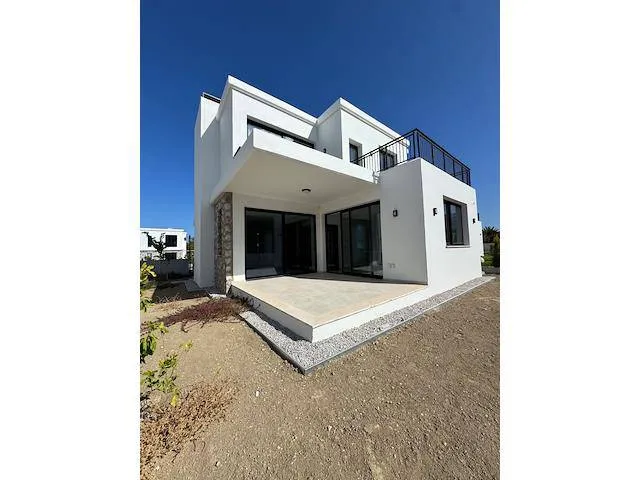
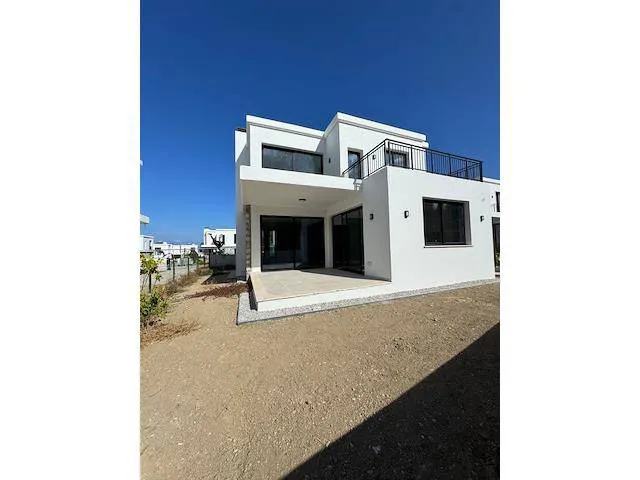
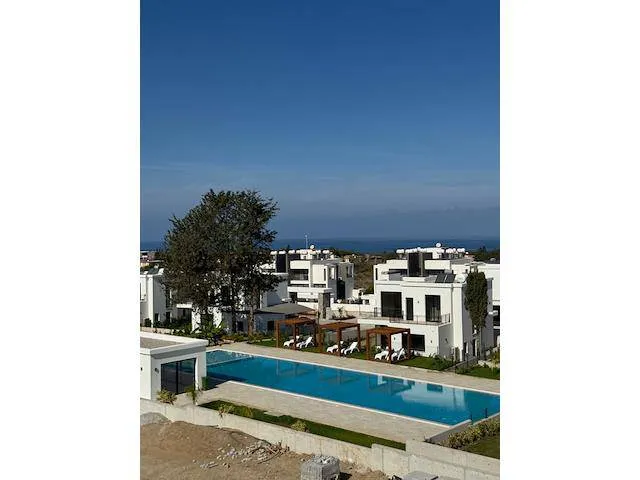
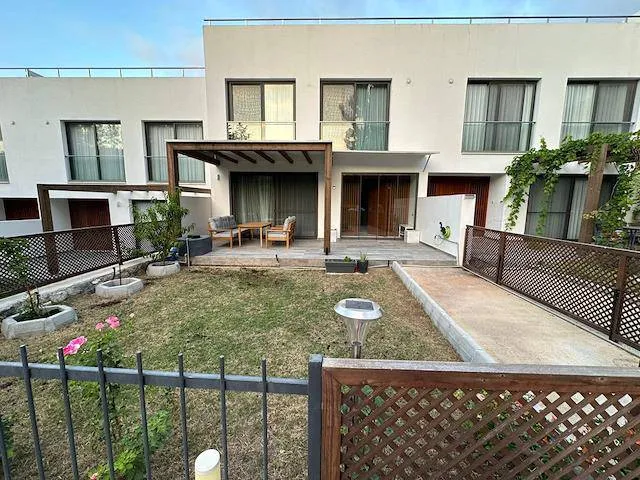
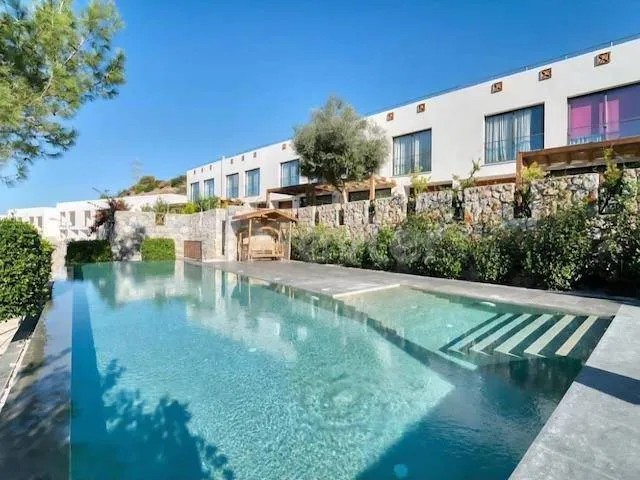
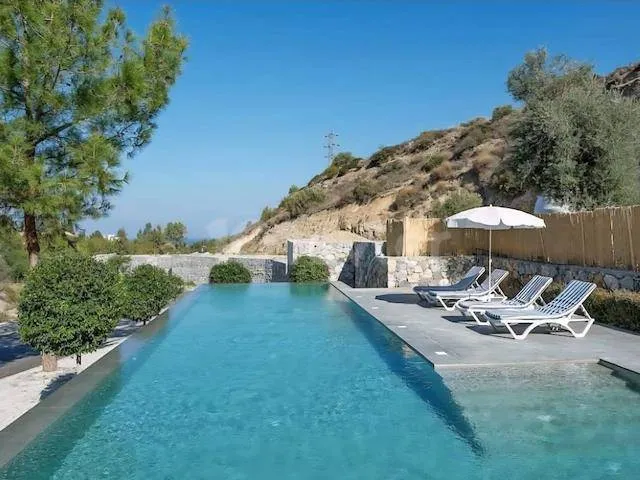
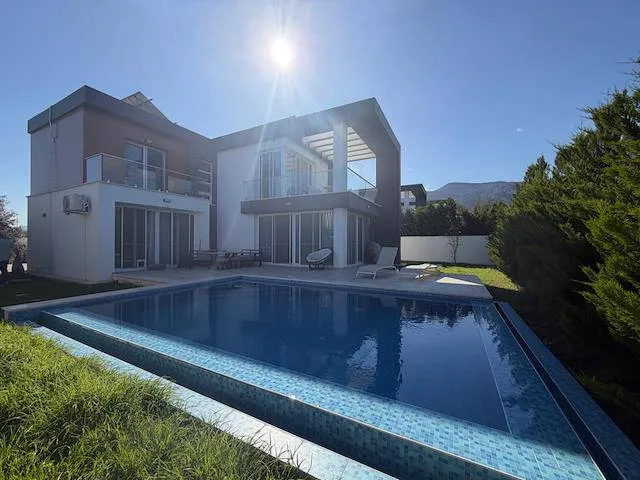
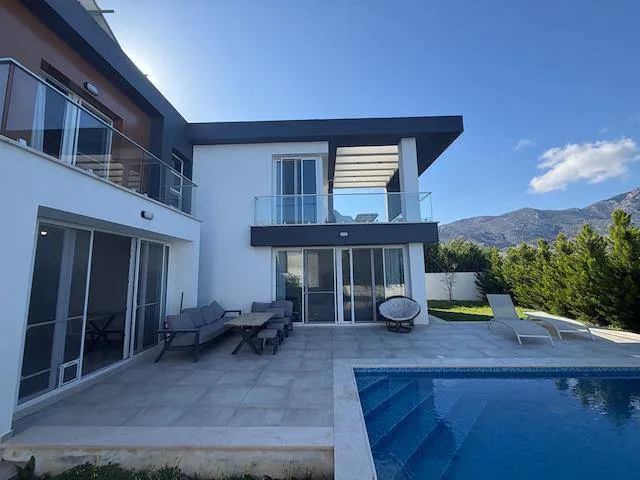
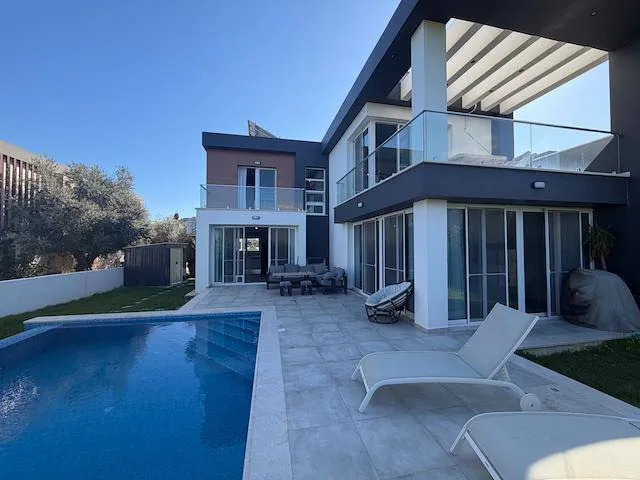
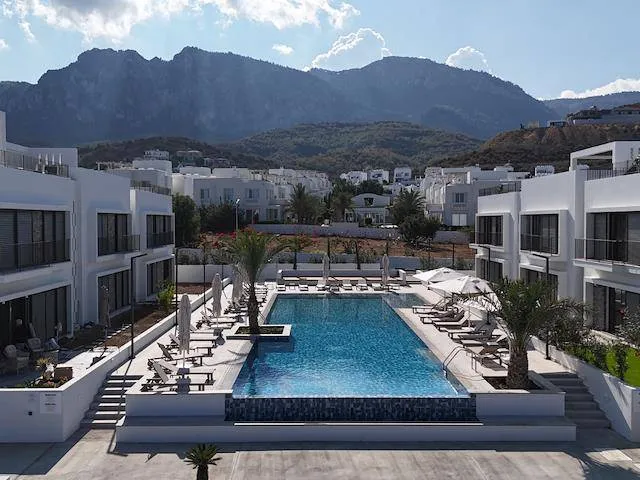
Practically, this pushes most German speaking families towards Kyrenia and the belt running east and west of it, with Nicosia in play for families choosing a school in the capital. Space matters too. Families here quickly discover the value of a garden or a decent shared pool, because outdoor life carries a large share of the year and children need somewhere to be that is not a balcony.
If you tell us the school you are leaning towards and the age of your children, we will put together a shortlist of family sized homes inside a realistic commute of it, and we will tell you honestly which of them we would not want to drive from in January.