

Handover day, before anyone opens a bottle
Keys change hands, everyone is pleased, and the natural instinct is to celebrate and deal with the paperwork next week. Do two small things first.
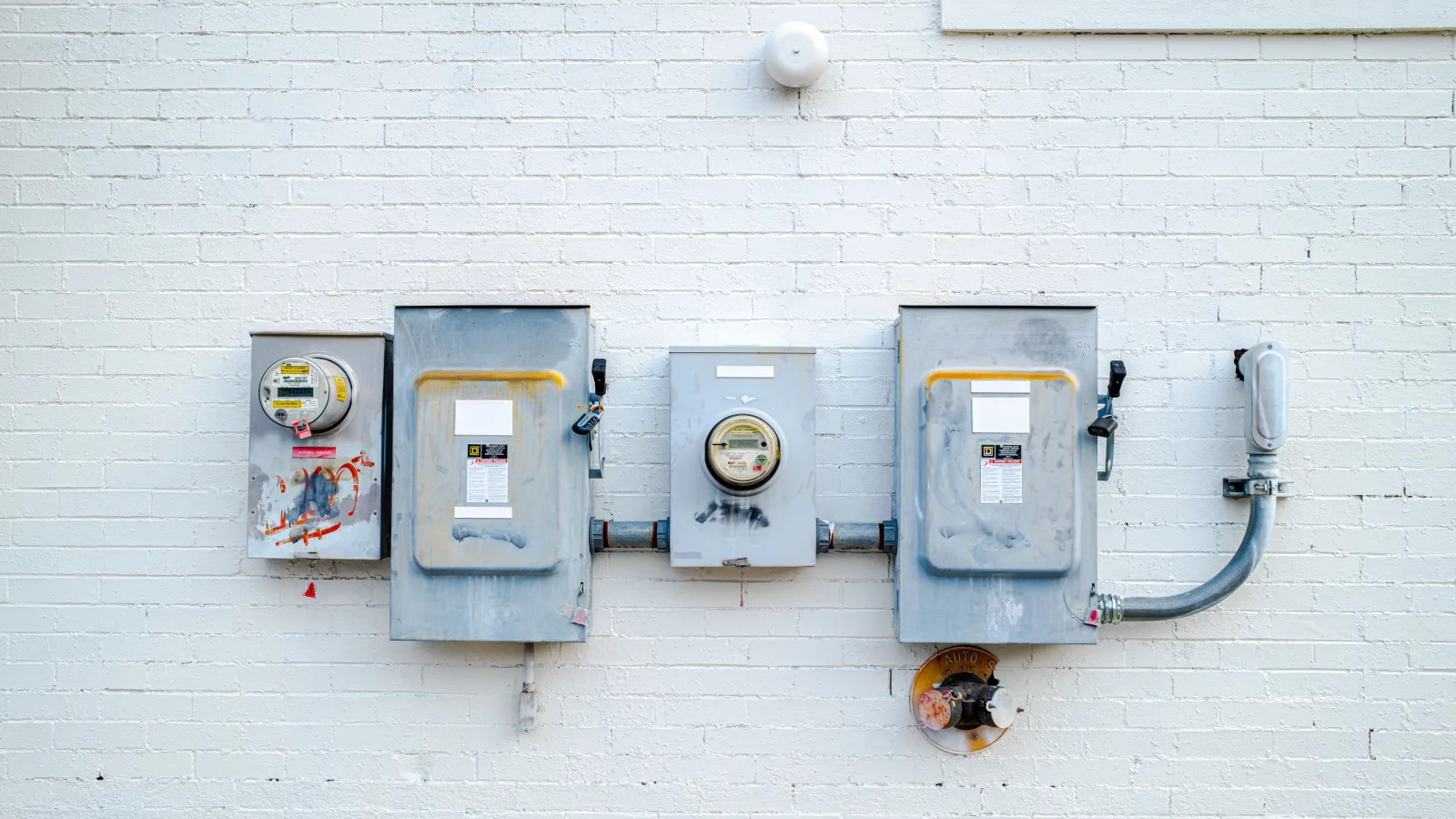
Photograph the electricity meter and the water meter, close enough to read every digit, on the day, with the seller or developer present. Then get written confirmation that all utility accounts are settled to that reading. Not a verbal assurance. A message, an email or a signed note.
This is not paranoia, it is the single most useful ninety seconds of the whole process. Utility debt here attaches to the supply, which means an unpaid balance can become your problem the moment you take over the account. Both photographs cost nothing and remove the argument entirely.
The three accounts, and who actually handles them
| Service | Usually arranged with | Billed | Note |
|---|---|---|---|
| Electricity | The national electricity authority, at its local office | Monthly, on meter reading | Your biggest variable, driven by summer air conditioning |
| Water | The municipality for the area you are in | Periodically, on meter reading | Some complexes bill water through site management instead |
| Waste and municipal charges | The municipality | Usually annual | Modest, but it is the one people forget |
On a managed development, some or all of this may already run through the site management company, with your share appearing in the communal charge. That can be genuinely convenient. It also means you should ask exactly what the communal fee covers, because owners on the same street sometimes have completely different arrangements.
Photograph both meters on handover day with the seller standing there. It takes ninety seconds and it has settled more disputes than any clause we have ever read.
What to bring to the counter
Turning up with the right documents turns a two visit job into a one visit job. Take originals and a set of photocopies, because you will usually be asked for both.
- Your passport
- Your title deed, or the contract of sale if the deed has not transferred yet
- The previous owner's final bill or account number if you have it, which speeds everything up
- Your local phone number, since almost every account is tied to one
- Cash or a card for the deposit and the connection charge
- A tenancy agreement instead of the deed, if you are renting
Expect a deposit on the electricity account. The amount is set by the authority, it changes over time, and it is refundable when the account is properly closed. Ask what it is on the day rather than budgeting from a number you read online, including this one.
The debt you must not inherit
This deserves its own section because it is the one thing that turns a routine week into a bad one.
Before you accept the transfer of any supply, ask the office directly whether the account is clear. Do this at the counter, in person, with the meter number in front of you. If there is an outstanding balance from the previous occupant, it is far easier to resolve before your name goes on the account than afterwards.
Where a property has stood empty for a while, ask specifically whether the supply was disconnected. Reconnection is a separate process with its own charge and its own waiting time, and finding that out on a Friday afternoon in August is a particular kind of frustrating.
Living with the bills
A few habits save real money here.
Electricity is seasonal, sharply. A winter bill and an August bill in the same apartment can look like they belong to different buildings. Air conditioning is the whole story. Owners who fit a heat pump, service the units annually and close shutters during the hottest hours notice the difference clearly.
Water pressure and storage vary by area. Many properties have a roof tank for exactly this reason. If yours does, learn where it is and check it before summer rather than during it.
Solar water heating is standard, not exotic. Most homes here already have a panel on the roof. If yours does not, price one. It pays for itself over a normal ownership period and reduces the summer electricity bill noticeably.
Keep every receipt for a year. Payment records are the fastest way to resolve a billing question, and a photograph of the receipt in a phone album is enough.
If you are not here most of the year
Holiday home owners have a different problem: bills continue while nobody is watching them.
Set up whatever automatic payment arrangement your bank and the utility office will support, and ask someone local to glance at the property monthly. An unnoticed leak in a closed apartment does more damage in three weeks than any bill you will ever receive. This is also why a management arrangement, even a light one, is worth pricing before you commit to a purchase rather than after your first surprise.
Whether you buy through us or not, ask about the utility setup at the viewing, not at completion. On any listing on this site we will tell you which services the site manages, which you arrange yourself, what the communal fee actually covers and whether the supply is live right now. It is a dull question with an unusually expensive wrong answer.