
The check nobody orders for you
In Germany a bank stands in the middle of most property purchases, and the bank protects its collateral: before the mortgage is approved, the property is valued and inspected whether the buyer cares or not. In North Cyprus most purchases involve no bank at all. Buyers pay cash or use the developer's instalment plan, and with no lender in the chain there is no institution whose job it is to insist on a survey. Most resales therefore change hands without one.
It is tempting to read that as local custom and skip the survey to match. We read it the other way. The absence of an automatic check does not mean the check is unnecessary; it means the entire quality gate is you. On a new build, the developer's defects liability catches problems after handover. On a resale, a house that has stood through fifteen summers and winters, whatever you did not find before signing becomes yours afterwards, at the price you already agreed.
What a structural survey actually inspects
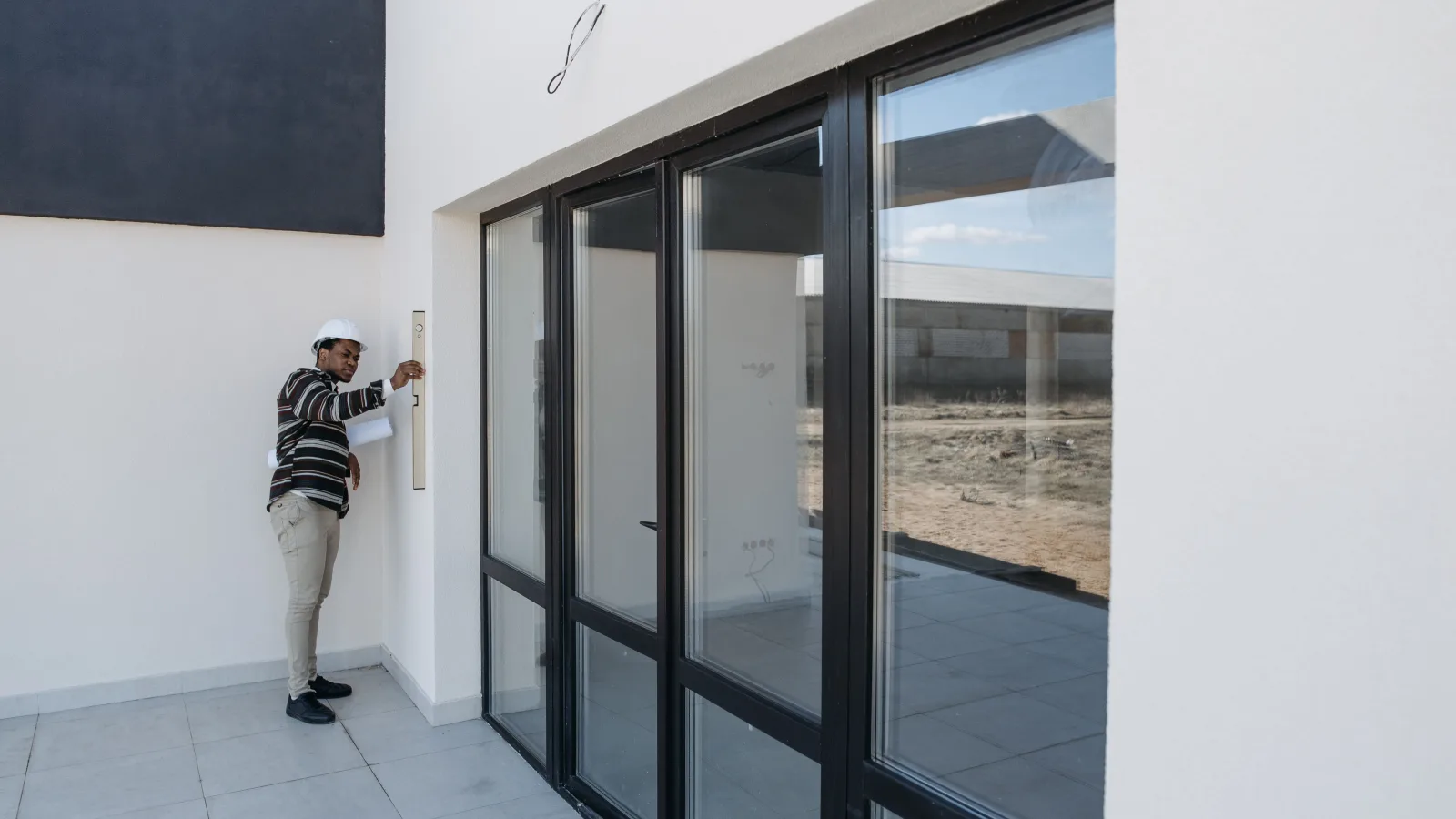
An independent structural survey is a few hours of a qualified engineer's attention, and it follows the water and the weight. The core of a good report covers:
- The roof: its covering, its insulation, and the stains on the ceiling below that tell its recent history
- Cracks and settlement: separating cosmetic plaster lines from movement in the structure, and judging whether that movement looks finished or ongoing
- Damp and its sources: rising from the ground, driven through walls by winter rain, or leaking from pipes inside them
- Water tanks and pumps: the island's quiet essentials, their age, condition and placement
- Electrics: the age of the installation, the state of the board, and whether past extensions were wired properly
- Drainage: where waste water actually goes, and whether the septic tank sits where the documents claim
- Additions: anything built after the original permit, from a closed veranda to an extra floor
That last point is where the physical survey starts shading into paperwork, and the two halves belong together.
In Germany the bank insists on the survey. Here the only person who will ever insist is you.
The paper half of the same question
A survey tells you what is standing on the land. The title deed and the approved drawings tell you what is allowed to stand there, and resale problems live in the gap between those two answers. Ask your lawyer to set the survey beside the paper: do the boundaries on the ground match the plan in the title deed, is the pool on the approved drawings, the second floor, the garage. A structure that is missing from the drawings is not automatically a disaster; many can be legalised after the fact. But legalisation takes time and money, and it should be the seller's time and money, negotiated before you sign, not yours, discovered after.
What it costs and how long it takes
For a typical resale house, expect a fee of a few hundred euros, more for a large villa, and a written report within days of the visit rather than weeks. Set that against the purchase price and the survey is one of the cheapest lines in the whole transaction, and the only one whose entire job is to protect you. The practical timing: commission it after your offer is accepted but before you sign the contract, and say so openly. A seller who hears that a surveyor is coming on Thursday and suddenly needs to complete by Wednesday has answered the survey question without the surveyor. Many of our buyers fold the survey into their second trip: one visit to view and make the offer, a reservation fee of a few thousand euros to hold the property, then the surveyor and the contract on the return.
Findings are levers, and occasionally verdicts
Most findings do not end a purchase. A tired roof, an aging pump, damp under a bathroom window: these become numbers, and numbers become negotiation. The standard moves are a price reduction reflecting the repair cost, or the seller fixing the item before completion with the fix verified, or part of the price held back until the work is done. A survey that finds nothing was cheap insurance; a survey that finds something usually pays for itself many times over at the negotiating table.
A short list of findings deserves a harder response. Active structural movement, cracks that are still opening. An addition that cannot be legalised under the current rules. Boundaries that contradict the title plan in a way the seller cannot resolve. In those cases the discount is an anaesthetic, not a cure, and the honest move is to walk away, because you would be buying the problem along with the house, and one day selling it too.
When the survey contradicts the listing
It happens, and it has happened to us: a surveyor's report comes back describing a different building from the one in the listing photographs. Our practice is fixed. The listing is corrected or withdrawn, the report goes to both sides in full, and the negotiation restarts from the facts, not from the brochure. We would rather lose a sale than defend a crack.
If you are shortlisting ready properties, we can suggest independent engineers who survey in English and German, and we will schedule the visit around your trip. Bring the sceptic in your family, bring the surveyor, and sign only for the house that both of them approve. The ready homes below can all be walked, measured and surveyed this month.