


Start With Three Piles, Not a Packing List
Before you ask a single shipper for a quote, walk through your home with three sticky notes in your pocket: SHIP, SELL, BUY THERE. Every object in the house lands on one of those piles, and the test is never whether something is good. The test is whether replacing it on the island would cost more than moving it, counted in money, in waiting and in feeling. In our client conversations the biggest shipping regrets never involve the things people left behind. They involve the things people paid to move and then stood next to in a sunlit room, wondering why.
Run the triage room by room and be strict. Anything you have not touched in a year starts on the SELL pile and has to argue its way off it. Anything that only makes sense in a German climate or a German kitchen layout starts on BUY THERE. What survives onto SHIP should feel like a short, slightly emotional list. That is the correct result.
Pile One: Ship It
These categories usually earn their space in the container, each for its own reason.
- Furniture you genuinely love. A solid wood table with twenty years of family dinners in it is worth its cubic metres. Mass-produced pieces are not, and we come to those in pile two. One caution from a client near Alsancak: the island sun bleached one end of her oak table before she thought to move it away from the window, so plan where treasured wood will stand.
- Tools. A well-stocked German tool cabinet is one of the best things you can put in a container. Rebuilding a workshop piece by piece abroad is slow and surprisingly dear, and good tools hold their value in daily use for decades.
- Bicycles. Quality bikes travel well, and the coastal roads and the tracks below the Five Finger mountains reward them. Ship the good bike, sell the rusty one.
- Books and sentimental items. Irreplaceable by definition, so the money question does not apply. Pack them against humid coastal air: sealed boxes, silica gel, nothing directly on the container floor.
- The best of the kitchen. Good knives, cast iron, and the machines you actually use every week. Germany and North Cyprus both run on 230 volt, 50 hertz power, so your small appliances will work. The sockets are the British three pin type, so every plug needs an adapter or a swap, which is a job for a rainy afternoon, not a reason to sell a good machine.
A container is not one big decision, it is a hundred small ones, and every object has to pay for its own square of floor.
Pile Two: Sell It Before You Leave
This pile is where the container budget is won or lost.
- Flat-pack and mass-market furniture. It rarely survives two loadings in good shape, it costs more to move than to replace, and much of it suits a Hamburg winter better than a Kyrenia summer. Sell it, and sell it early while you still have time to get fair prices.
- Ageing white goods. The voltage matches, so a German washing machine will run, but that is not the real question. A machine halfway through its life arrives with no local warranty, no service history a repair firm here recognises, and a lot of paid-for weight behind it. New white goods are sold across the island with local guarantees and local service. Ship a white good only if it is nearly new and genuinely excellent.
- Large fragile electronics. Big televisions and glass-fronted equipment handle transshipment badly. Small electronics such as laptops travel in your hand luggage instead.
- The car. The car gets exactly one sentence here, because importing a vehicle versus buying locally is a decision with enough paperwork and cost of its own to deserve a full article of its own, so leave it on the sell pile as the default until you have read that one.
Pile Three: Buy It on the Island
Some things are simply better bought where they will live.
- Outdoor furniture. The strong sun destroys the wrong materials in a season or two. Buy what has already proven itself in local gardens rather than shipping pieces designed for a milder sky.
- Climate equipment. Air conditioning units, ceiling fans and dehumidifiers are climate-specific purchases. Buy them here, sized for the actual rooms, with local installation and service attached.
- Beds and soft furnishings. Mattresses are bulky to ship and personal to choose, and fabrics that feel cosy in Germany can feel heavy in a humid August. Choose them for the climate you are moving into.
- Replacement white goods. As above: new, guaranteed, serviceable locally.
Here is something few moving guides mention: in the areas where foreign residents cluster, the secondhand market is quietly excellent, because people who leave the island sell entire households at once. Watch it for a few weeks after you arrive and you can furnish generously for modest money, with pieces already proven against this climate.
The Container Itself: Share or Whole, and the Route It Takes
You have two realistic formats. A groupage share puts your boxes in a container alongside other people's shipments, and you pay for the space you use. It suits the short, emotional list that a good triage produces, but the container leaves when it is full, not when you are ready, so the schedule flexes. A sole-use container gives you your own sealed box and your own dates, and it starts to make sense when a genuinely full household is travelling.
Route matters more than most movers expect. Household shipments generally reach North Cyprus by way of a Turkish port before crossing to Famagusta, which means your goods are handled more than once along the way. Pack for two loadings, not one: real double-walled boxes, furniture wrapped as if for strangers, nothing loose. Ask every shipper for a realistic door-to-door window in writing, treat any promise of exact days with polite suspicion, and plan your first weeks on the island as if the container were late. If it arrives early, that is a pleasant surprise instead of a crisis.
On insurance, three questions do most of the work. Is the cover door to door or only port to port? Is it valued at replacement cost on the island rather than secondhand value at home? And does the insurer require an itemised inventory? Photograph everything as it is packed and keep the inventory yourself as well; it settles arguments later, whoever they are with.
Customs: What to Ask, What to Get in Writing
We deliberately give you questions here rather than figures, because customs treatment changes and it differs from person to person. How your shipment is assessed depends on your status: whether you are applying for a residency permit, how long you have owned the goods, and whether items are visibly used or arrive boxed and new. An answer that was true for a friend last year may not be true for you this spring.
So put these questions, in writing, to your shipper or customs broker before anything is loaded:
- How are used personal household effects currently treated for someone in my situation, and what documents prove that situation?
- Which categories in my inventory attract any duty, tax or deposit at present, and which are treated as personal effects?
- How are new or still-boxed items handled compared with clearly used ones?
- Who presents the shipment to customs, and will I need to be on the island when it clears?
- Can you confirm the current position in writing shortly before the shipping date, not just at the time of the quote?
That last one is the habit that protects you. Whatever you are told today, confirm it again in writing just before you ship, and budget a cautious buffer for clearance costs rather than a precise figure someone quoted from memory.
The Empty-House Advantage
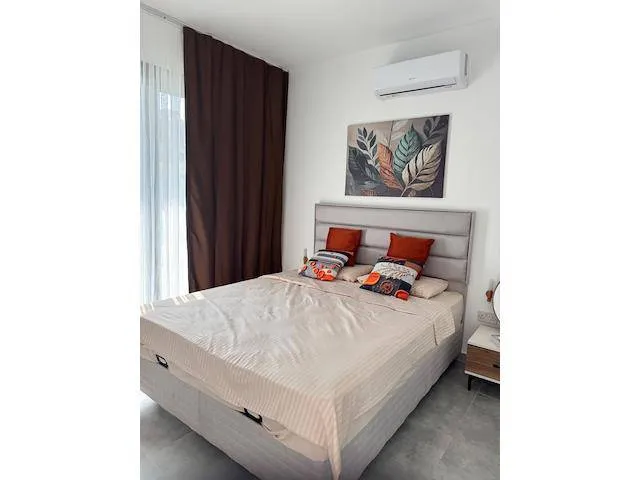
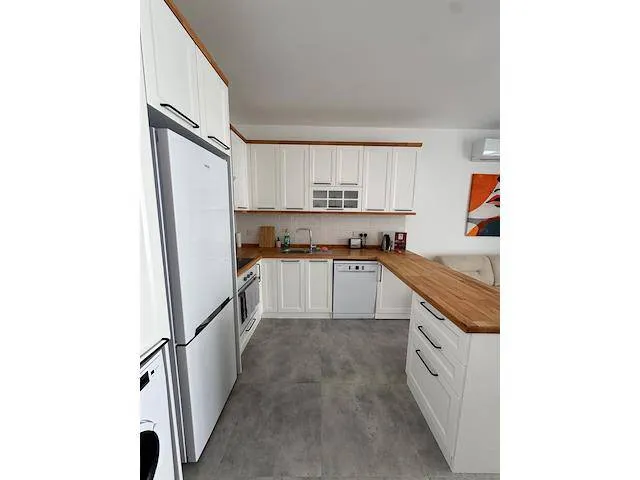
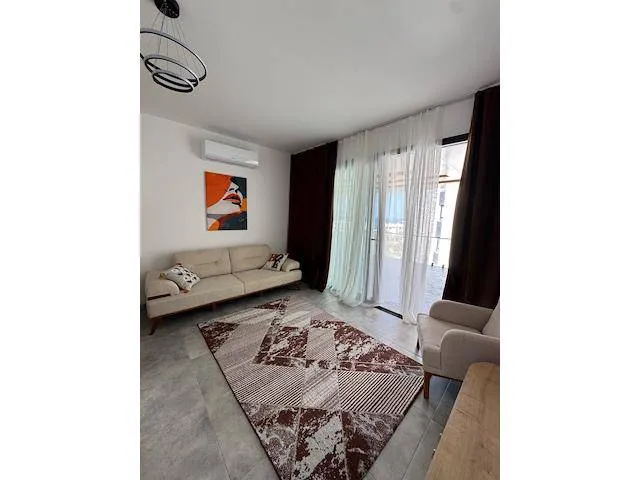
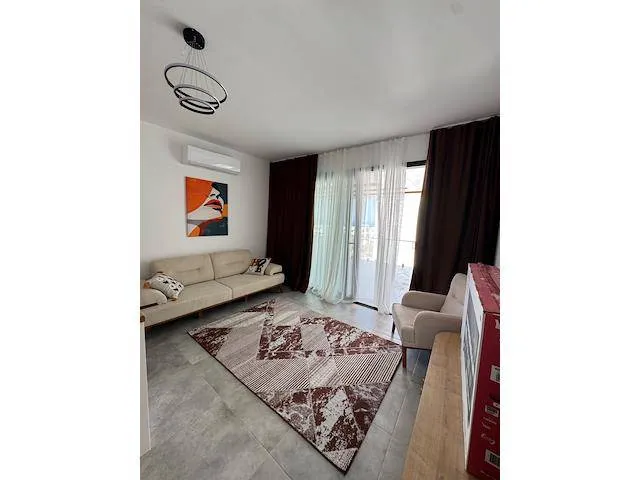
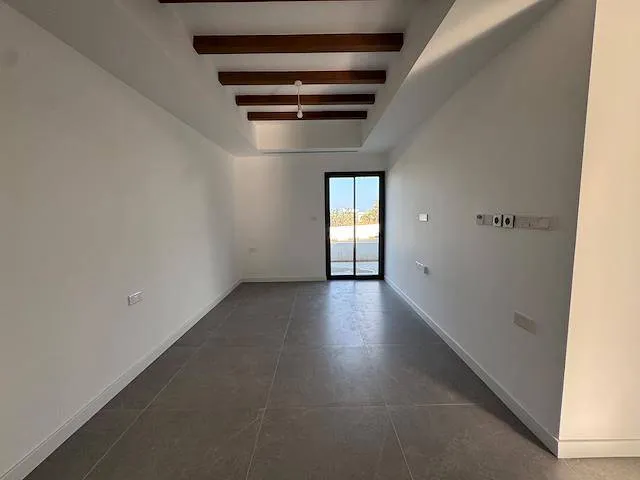
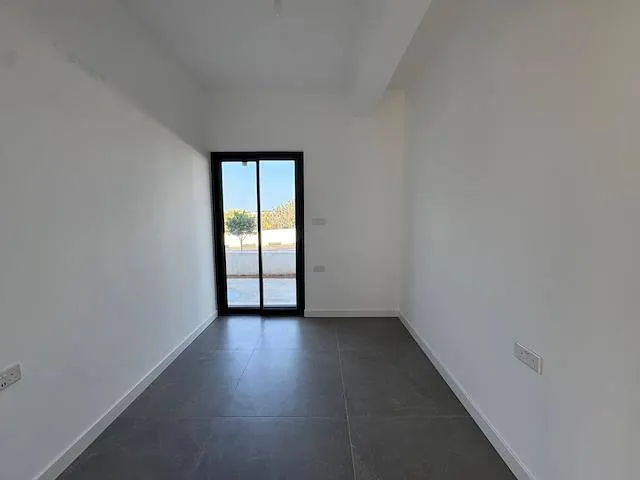
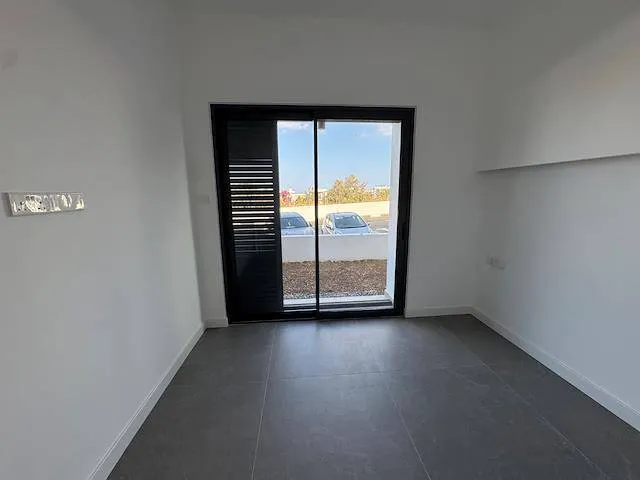
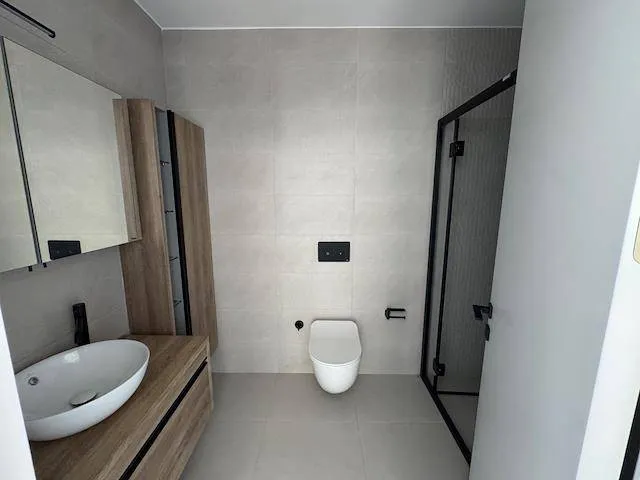
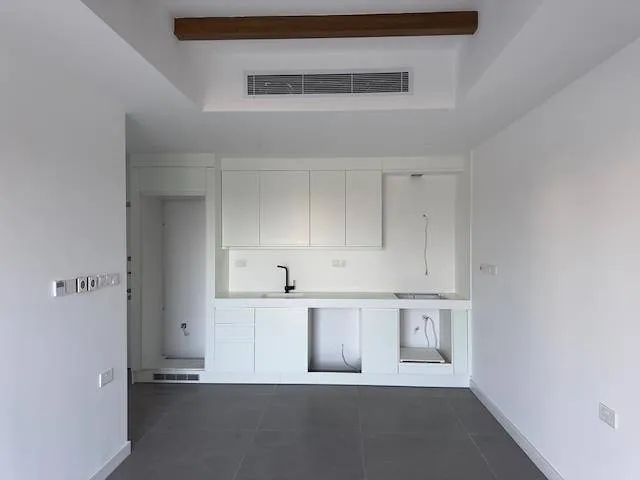
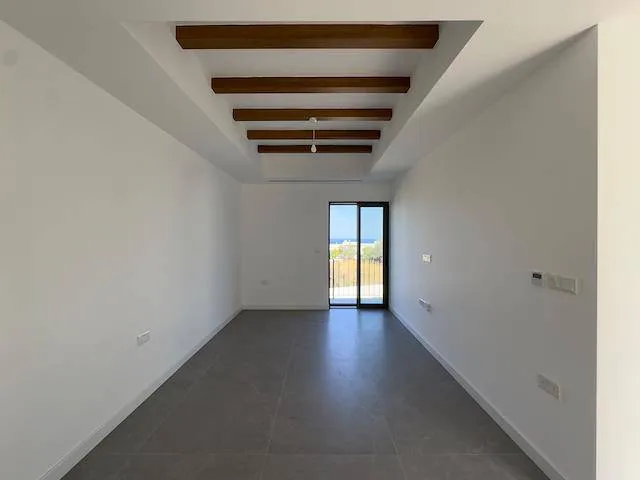
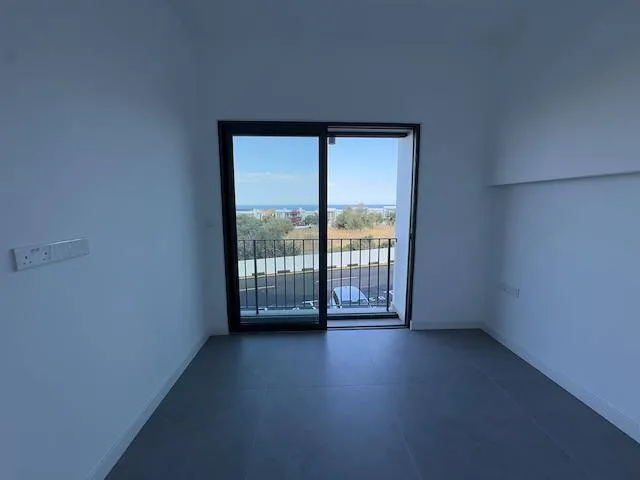
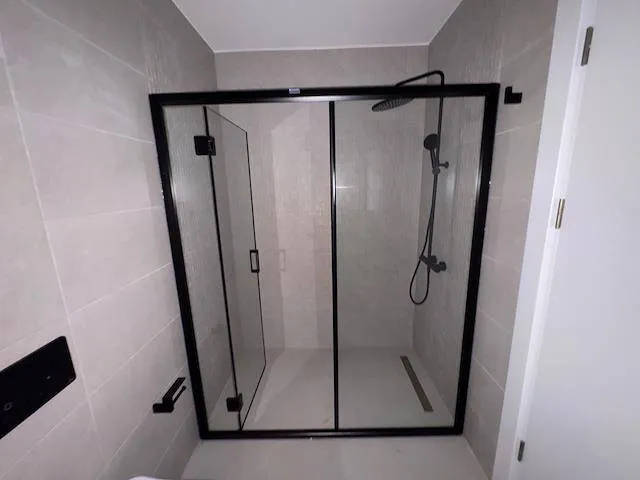
After a strict triage, some movers discover their SHIP pile fits in a small groupage share, or in suitcases. Do not read that as a failed move. Read it as freedom. North Cyprus has a genuinely deep market of move-in-ready homes, many of them sold furnished or offered with furniture by arrangement, and arriving light means you can choose a home for its light, its view and its neighbourhood instead of for whether your old wardrobes will fit its walls.
So finish the triage with one concrete exercise: write down the three objects you would truly pay to ship, then browse ready-to-move-in listings and picture each home containing only those three things and sunlight. It is a clarifying test. If you want help, our team can tell you which of our current ready homes come furnished, and what practical support with the arrival weeks looks like; ask us that question directly and you will get a direct answer.