

Why this hour matters more than any other
Snagging is the formal inspection where you list every defect in a new build so the developer fixes it before you make the final payment and take the keys.
Everything about the visit is decided by that sequence. Before the money moves, a snag is an obligation. After it moves, a snag is a request, and you are now competing for attention with whoever is currently paying that builder. Do not accept a handover on the promise that the list will be dealt with next week.
Take two hours, not twenty minutes. Go in daylight. Bring someone who is not emotionally invested in loving the place.
What to carry
- A phone with plenty of storage, for photographs of everything you list
- A phone charger, to test every socket
- A small spirit level, or the level app on your phone
- A marble or a coin, to find a floor that falls the wrong way
- A torch, for under sinks, inside cupboards and into the loft hatch
- Paper tape to mark defects on the spot, and a pen
- The specification you were sold, so you can check what was promised against what is there
That last item is the one people forget. Half of all disputes are not about faults at all. They are about a different tap, a different tile, a different oven from the one in the contract.
Your leverage is the final payment. Once it has gone, a snag becomes a favour you are asking for.
Every room, the same four moves
Before the room by room list, get into a rhythm. In each room: switch every switch, open every opening, run every outlet, and look where nobody looks, meaning above door height and below knee height.
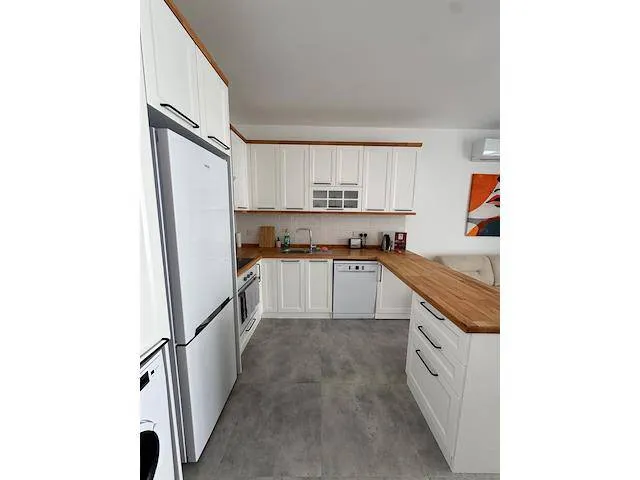
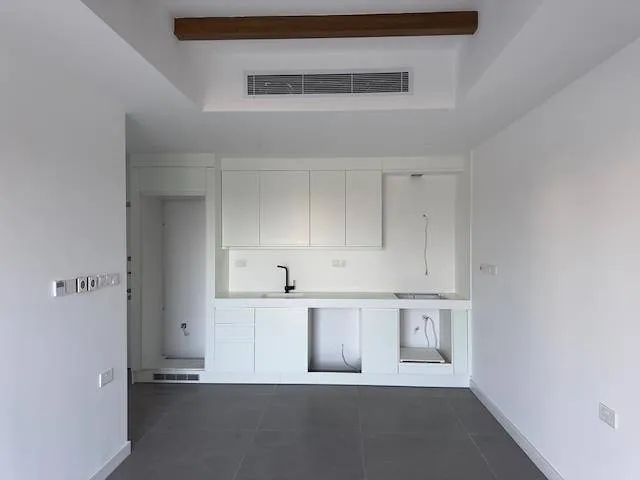
Kitchen. Run the taps hot and cold together and watch under the sink for drips while they run. Open and close every cupboard and drawer fully; a door that catches now will not improve. Check the extractor actually pulls. Confirm the appliances are the models specified. Look at the worktop joins and the seal behind the sink.
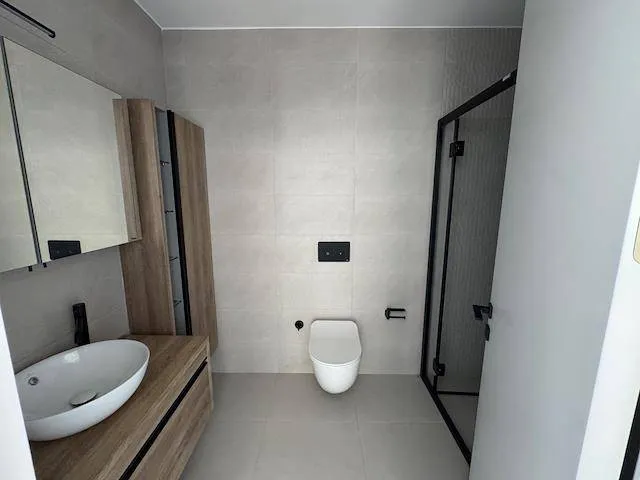
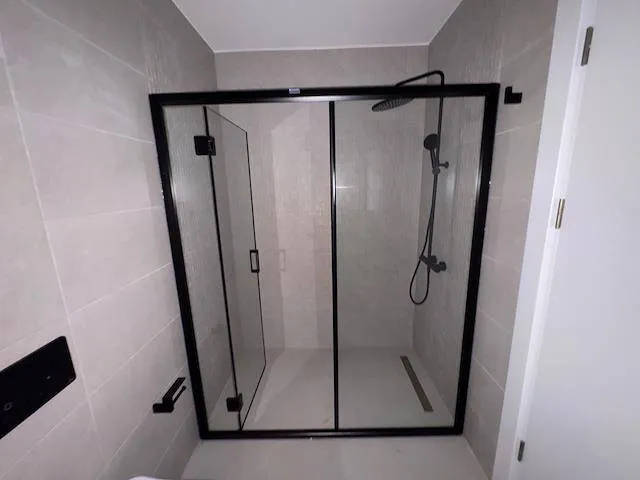
Bathrooms. Fill the basin and the bath, then drain them and watch how fast they clear. Run the shower for five full minutes and look at where the water goes on the floor: it should reach the drain from every corner. Check the toilet fills and stops. Look for cracked or hollow sounding tiles, and press the silicone lines for gaps.
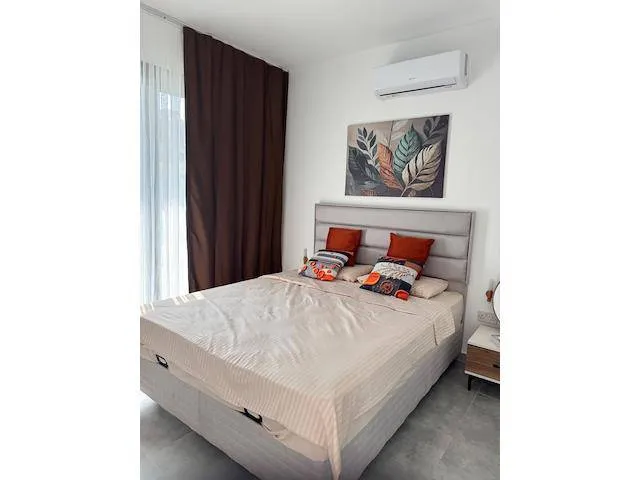
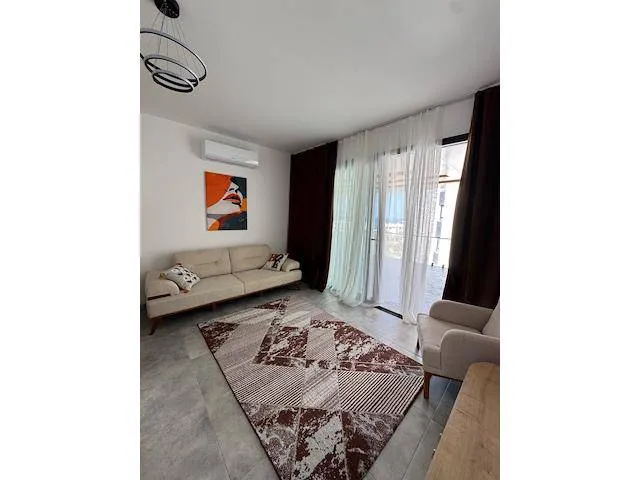
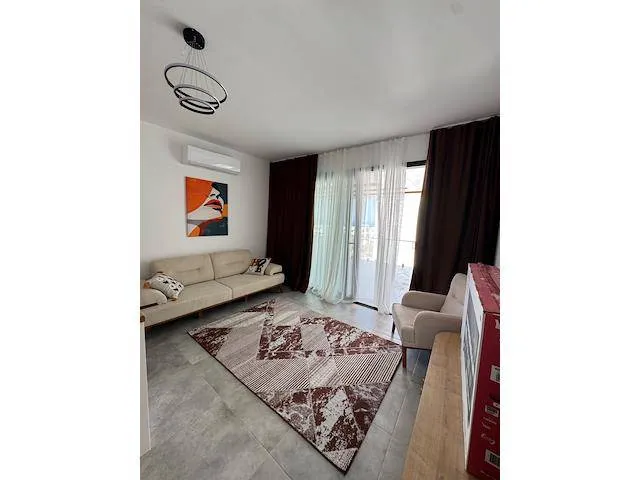
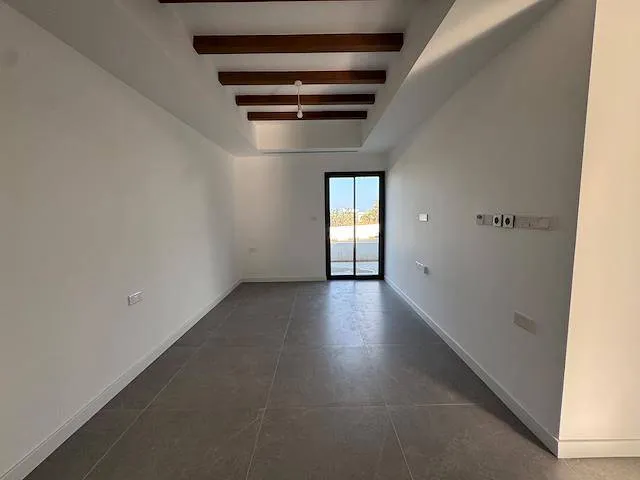
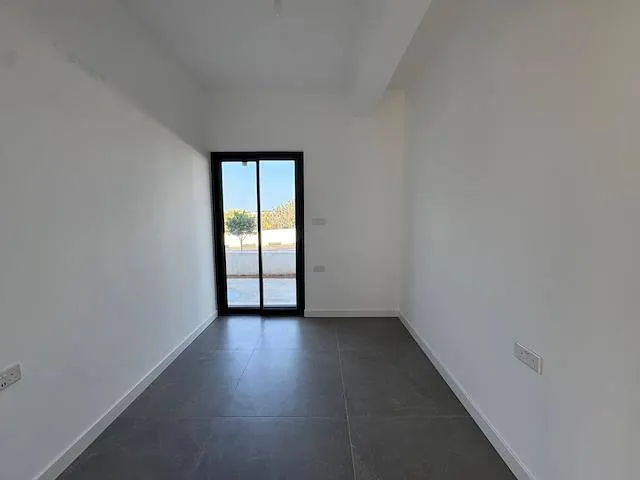
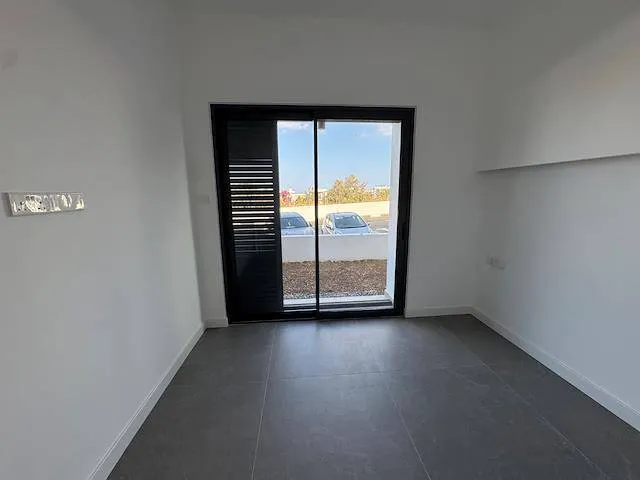
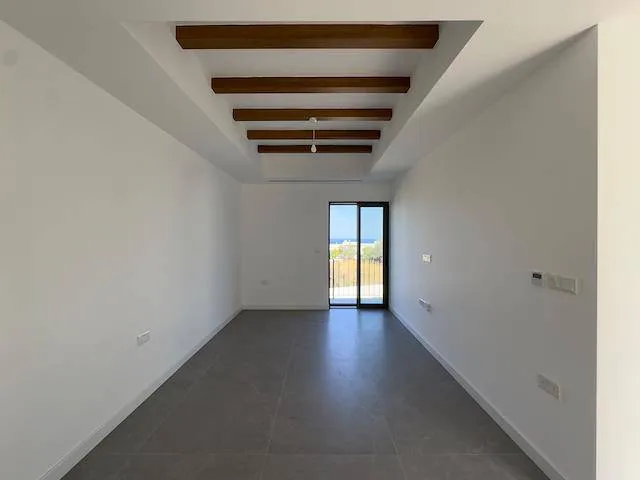
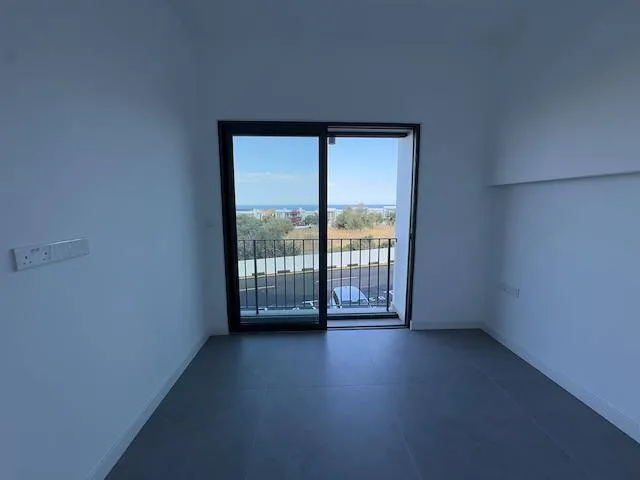
Bedrooms and living space. Open and close every window and door, including the balcony doors, and check they lock. Look along the walls at a low angle for bulges and filler marks. Test every socket with the charger. Check the air conditioning cools in each room and that the outdoor unit drain is piped away rather than dripping onto the terrace.
Floors and ceilings throughout. Roll the coin. Look for lippage where one tile stands proud of the next. Look up at the corners for early damp staining, which is common where a balcony above meets a wall.
Outside, and the parts you cannot see
Most expensive defects are outside the apartment.
- Balcony and terrace falls: water must run to the drain, not to the door threshold
- Drainage outlets clear of building debris, which is the usual cause of a flooded terrace in the first storm
- External sealant around every window frame
- The water tank and the solar panel on the roof, if you have one, and how you reach them
- The meter cupboard: your meter clearly numbered and readable
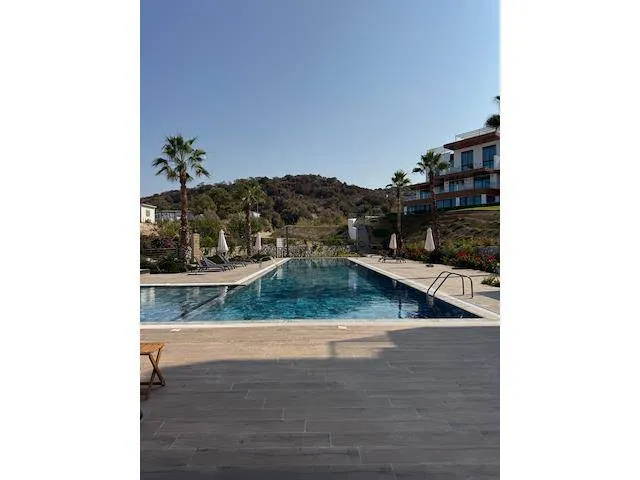
- Communal areas, lifts, lighting and the pool, since these are what your service charge maintains
- Parking space located and actually accessible with a car in it
How to write it so it gets fixed
A list of complaints gets argued with. A list of locations gets fixed.
Write one line per defect, each with the room, the precise position, what is wrong and a photograph reference. "Master bedroom, window wall, third socket from the door, no power" cannot be misunderstood. "Electrics not great" can.
Then do these four things.
- Number the list and keep the numbering forever, so the re inspection can be walked line by line
- Send it in writing to the developer and to your lawyer on the same day
- Agree a date for the re inspection before you leave the building
- Do not sign anything that says you accept the property in its current condition until the list is resolved or formally attached to what you sign
Snags are normal. Every new build has them, and a good developer expects the list and works through it without drama. The ones to worry about are the builders who are surprised that you brought one.
On any property we list, we will tell you what the snagging position is before you get to that stage, and we will come to the inspection. If a developer resists a proper list, that tells us something about them that we would rather learn on your inspection than after your final payment.