The asset on every roof
Talk to owners about running a home in North Cyprus and the conversation reaches the electricity bill within minutes. Summers are long and seriously hot, winters are short but damp enough to want heating, and almost all of it, cooling, heating, hot water, runs on electricity. The island's answer sits in plain sight: sunshine on more than three hundred days a year, falling on every roof. The households that treat that sunshine as equipment, not scenery, live noticeably cheaper than the ones that do not.
This article walks through the energy life of a home here: the solar water heater that comes as standard, photovoltaics, the air conditioner that does double duty, the bill itself, and what to check on a listing before you buy.
The solar water heater nobody mentions in the brochure
Look at any roofline from Alsancak to Iskele and you will see the same silhouette: a flat solar collector and a water tank above it. This is the island's standard hot water system, simple, pumpless in most versions, and it means that for most of the year your showers and dishes are heated by nothing but the sun. Only in the depths of winter, or after a run of grey days, does the electric immersion element in the tank need switching on.
It is unglamorous and it works. When viewing a resale, look at the age of the tank and ask when it was last serviced; when buying a new build, confirm the system is included, because on this island it should be.
For most of the year your hot water is heated by nothing but the sun; the real question is how much of the rest of the bill you let the roof take over.
Photovoltaics: villas first, apartments later
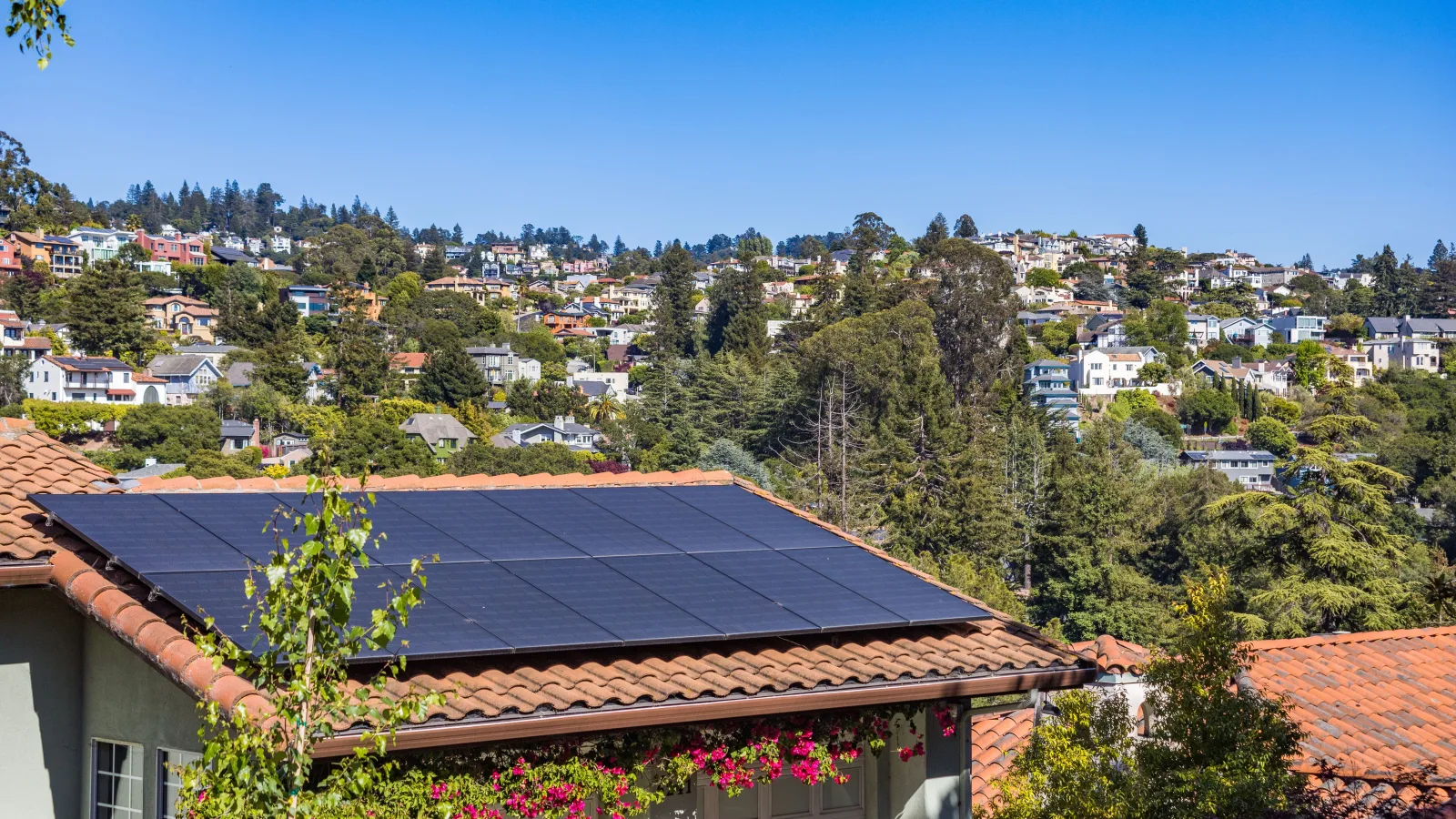
Photovoltaic panels turn the same roof into a generator for the whole house, and interest among foreign owners has grown quickly. A household installation is a defined project: panels, an inverter, cabling and the paperwork for connecting to the grid, handled by local installers who do little else. Arrangements for setting surplus power against your consumption exist and keep evolving, so ask the installer and the electricity board for the current scheme rather than relying on a forum post.
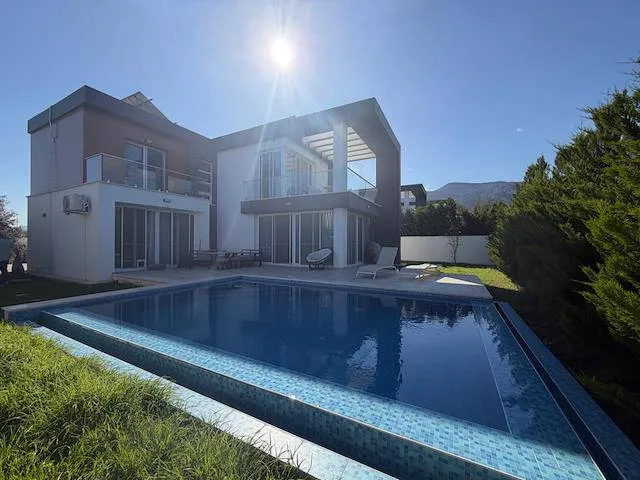
Villa owners adopt solar fastest for a structural reason: the roof is theirs. In an apartment building the roof is shared, and panels need the consent of the site management or the other owners, which some sites organise well and others never quite get around to. If photovoltaics matter to you, that single fact should steer the property search.
The air conditioner is also the heating
The wall units in every room are not just for August. Run in reverse, a modern air conditioner is an efficient heat pump, and for most homes here it is the heating system, taking the chill off a January evening in minutes. Newer inverter models cost noticeably less to run than the tired units of a decade ago, which is why the age of the installed units belongs on your viewing checklist.
Habits do the rest. Cool or heat the room you are in, not the corridor. Use shutters and shade on summer afternoons. Set the thermostat with restraint instead of pushing it to the extremes. None of this is sacrifice; it is the difference between a bill you glance at and a bill you photograph for the family group chat.
The bill, the tariff and the occasional blink
Electricity is metered and billed by the public utility, with tariffs set in bands and revised from time to time; anyone who quotes you an exact price per unit from memory is quoting the past. Budget honestly for high summer, when the air conditioning carries the house, and let solar hot water and good habits pull the rest of the year down. Ask the seller to show recent bills; they are the most truthful energy document a property has.
Power cuts happen occasionally, a little more often at the height of summer. The local answers are proportionate: a small UPS keeps the router and a lamp alive, many villas add an inverter with batteries, and some sites keep a shared generator. Ask which of these a property already has; the answer tells you how the site really lives.
The unglamorous factor: insulation and glass
No panel on the roof compensates for a house that leaks heat in January and soaks it up in July. Insulation standards vary widely here between construction eras, and window quality varies with them. Double glazing, shaded west facing windows and a roof with insulation under the tiles do quiet, permanent work on every bill that follows. On a viewing, put your hand on an inside wall in the afternoon, look at the window frames and ask what is under the roof. Ten minutes of unglamorous questions are worth more than any brochure page about lifestyle.
Reading a listing with energy eyes
Energy rarely appears in listing photos, so read for it deliberately. Check who owns the roof and who may use it, whether a solar water heater and photovoltaics are installed, how old the air conditioning units are and what the glazing is. In broad strokes, the three property types compare like this:
| Older resale | New build | Solar equipped villa | |
|---|---|---|---|
| Hot water | Solar tank, often ageing | Solar included as standard | Solar, generously sized |
| Heating and cooling | Older units, dearer to run | New inverter units | New units, partly fed by the roof |
| Typical bill profile | Highest of the three | Moderate | Lowest, summer peaks softened |
| Backup for cuts | Rarely fitted | Varies by site | Often inverter and batteries |
| Upgrade potential | Large, an argument in the negotiation | Roof usually ready | Already done |
None of this should frighten anyone. Energy here is a solvable subject with a generous sun behind it, and a property chosen with open eyes runs pleasantly cheap by northern European standards of comfort. If you would like us to look at a specific listing with exactly these questions, send it over; it is the kind of homework we enjoy.