
The three weeks nobody was watching
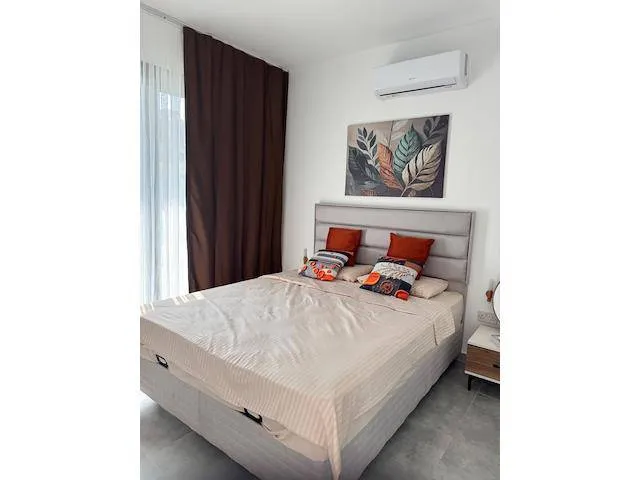
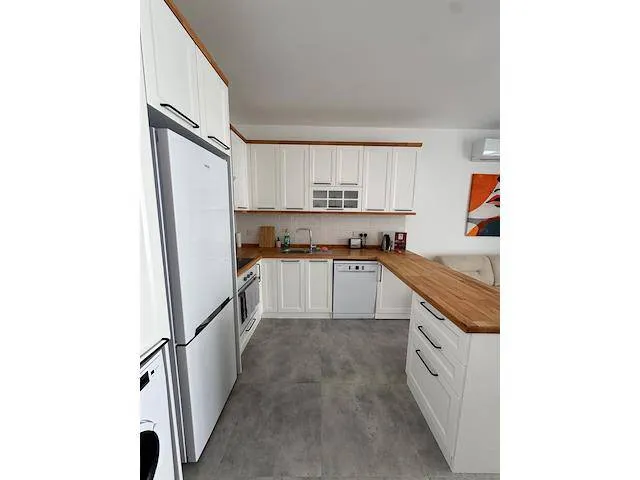
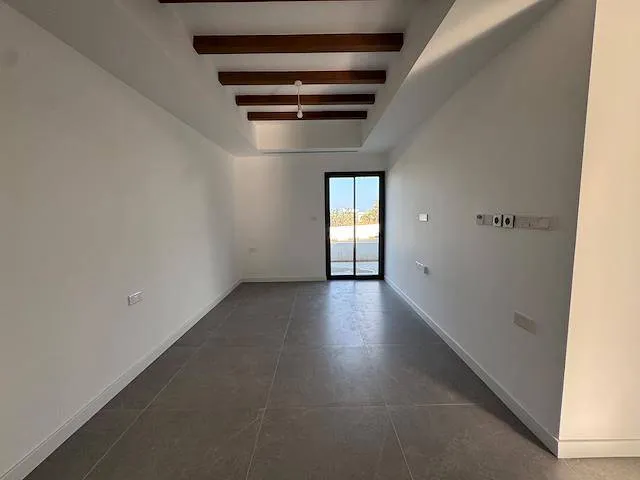
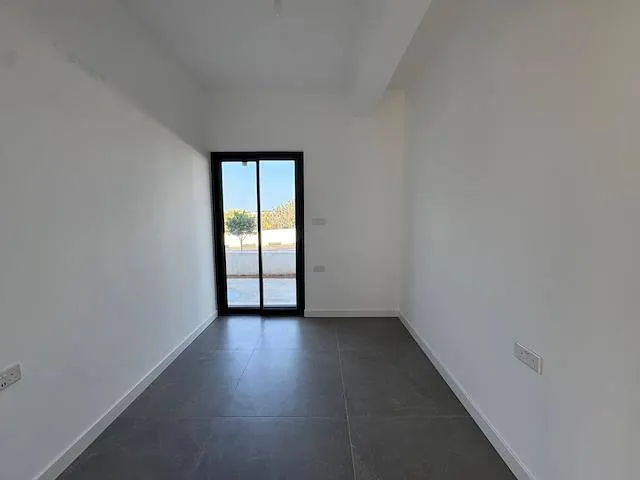
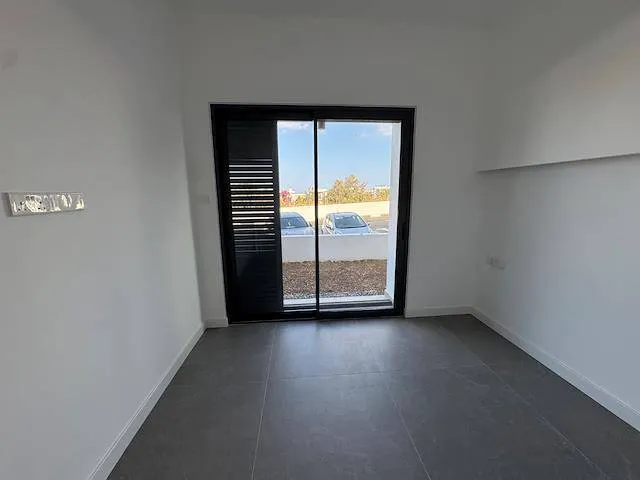
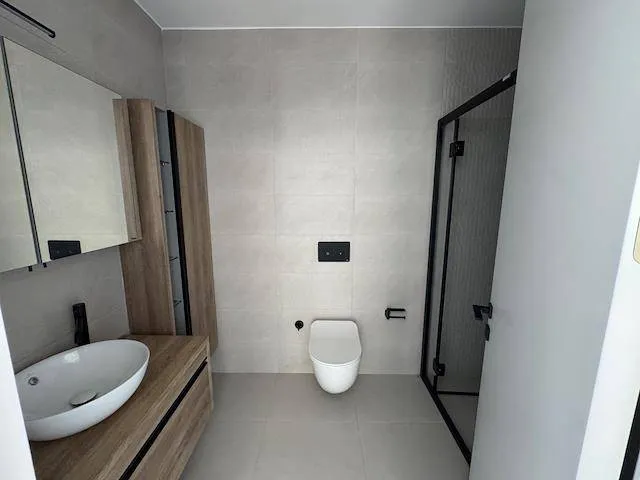
The claims we hear about here almost never involve drama. There is rarely a fire or a break in. What there is, over and over, is a small failure in an empty apartment that nobody noticed.
A flexible hose under a sink perishes in the heat. A washing machine inlet weeps. A roof tank overflow sticks. Any of these produces a slow leak that would be a mopped floor if someone were home, and a ruined floor, a ruined ceiling below and a claim against you from the neighbour if the property is empty for a month.
That is the risk profile of a holiday home, and it is why the insurance conversation is different from the one you would have about your main residence at home.
What you are actually insuring
Owners often think of this as one policy. It is usually two or three separate things, and it is worth knowing which of them you have.
| Cover | Protects | Often overlooked because |
|---|---|---|
| Buildings | The structure itself, and usually fixtures such as kitchens and bathrooms | On a managed complex, some structural cover may sit with the site, and owners assume it covers more than it does |
| Contents | Furniture, appliances, electronics, and what a guest damages | The sum is set at purchase and then never updated after five years of buying things |
| Liability to others | Damage your property causes to a neighbour, and injury to a visitor | It costs relatively little and is the one owners regret not having |
| Loss of rent | Income lost while the property is uninhabitable after an insured event | Only relevant if you let, and frequently not included as standard |
Start by asking the site management, in writing, exactly what the communal policy covers and where its responsibility stops. Many owners discover their building is insured for far less than they assumed, or that the cover ends at their front door.
Find the unoccupancy clause before you find the leak. It is usually one paragraph, and it decides whether you have insurance or a receipt.
The clause that decides everything
Somewhere in the wording there is a section about unoccupied property. Find it before you sign, not after an incident.
Typical conditions look like this. Cover may be reduced or suspended after the property has been empty for a stated number of consecutive days, often somewhere between thirty and sixty. During any such period, the policy may require that the water is turned off at the mains, that the property is inspected at a stated interval, that an alarm is set, or all three.
These conditions are not unusual and they are not unreasonable. What causes the trouble is that most owners never read them, and then discover after a leak that the policy required a fortnightly inspection they were not making.
Ask the insurer these four questions directly, and keep the answers.
- After how many consecutive days empty does my cover change?
- What exactly must be done during that period, and who has to do it?
- Does letting the property to guests change my cover, and do I have to declare it?
- What proof of inspection would you want to see at claim stage?
That last question is the useful one. It tells you what to keep, and a dated photograph taken on each visit is usually enough.
Practical prevention that costs almost nothing
The cheapest insurance is not a policy. It is a routine.
- Turn the water off at the mains when you leave. This single habit prevents the majority of empty property claims.
- Replace flexible hoses on a schedule. They are inexpensive, they perish in heat, and they are behind a large share of leaks.
- Have someone open the property monthly. Ten minutes, run the taps, look at the ceilings, photograph anything odd.
- Service the air conditioning annually. Condensate drains block, and a blocked drain in an empty flat is a wet wall.
- Keep an inventory with photographs. Ten minutes with a phone now saves an argument later about what was in the property.
- Check the roof tank and the balcony drains before summer. Both fail quietly.
Reviewing it once a year
Set a recurring reminder, ideally the month before renewal, and check three things.
Is the rebuild figure still sensible? Buildings cover should reflect what it would cost to rebuild, not what you paid or what the property would sell for. Construction costs move.
Has the contents sum kept up? Five years of furnishing adds up quietly.
Has the use changed? If you started letting the property, or a family member now stays for long periods, the insurer needs to know. An undeclared change of use is the other common reason a claim goes badly.
None of this is exciting, which is precisely why it gets skipped. It is also about an hour of work a year to protect the largest thing most people own abroad.
When we hand over a property we tell buyers what the site policy covers, what it does not, and which local brokers other owners on that development actually use. If you already own here and have never read your unoccupancy clause, that is the one thing worth doing this week.