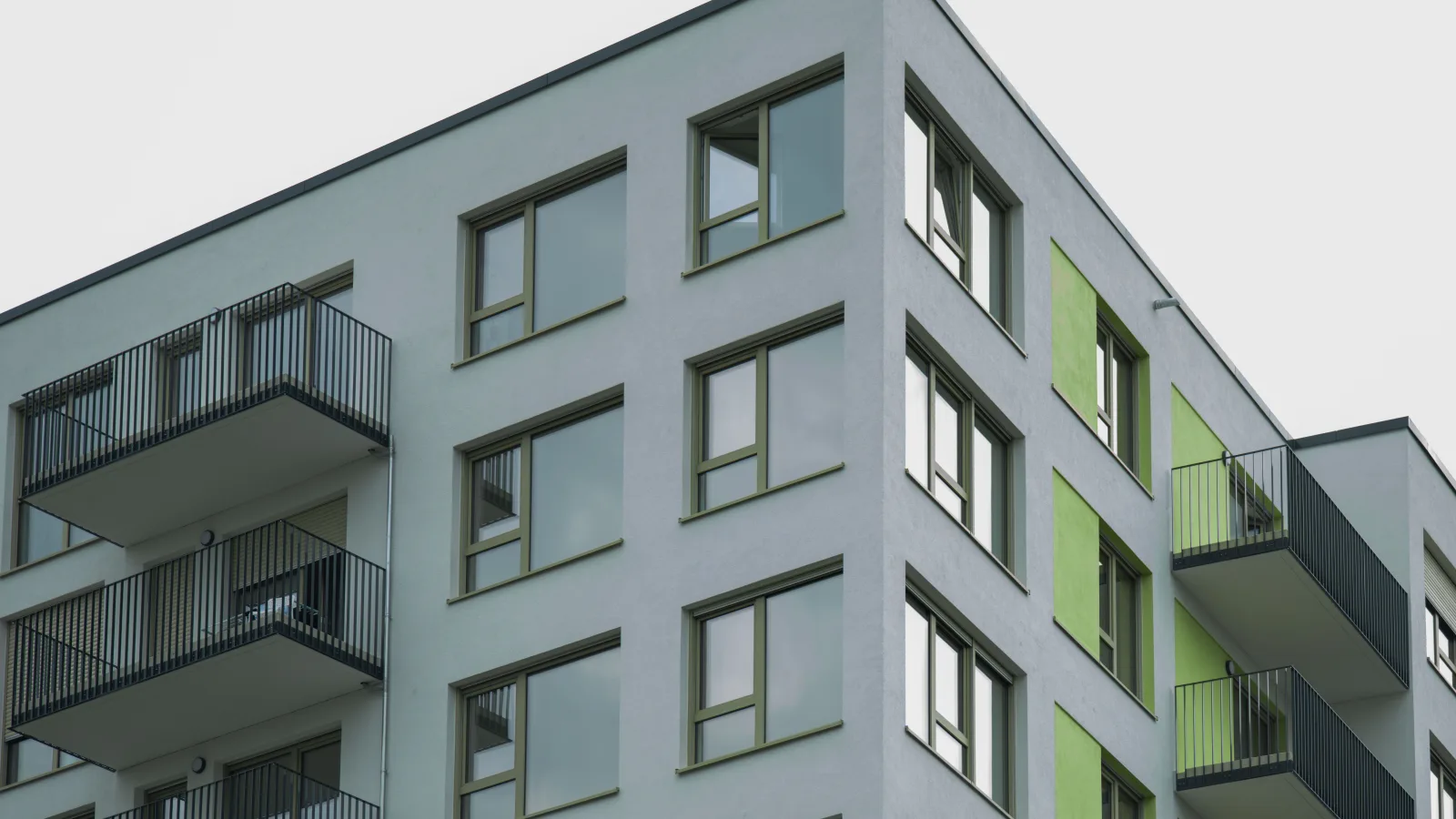
Seventy percent sold, says the poster
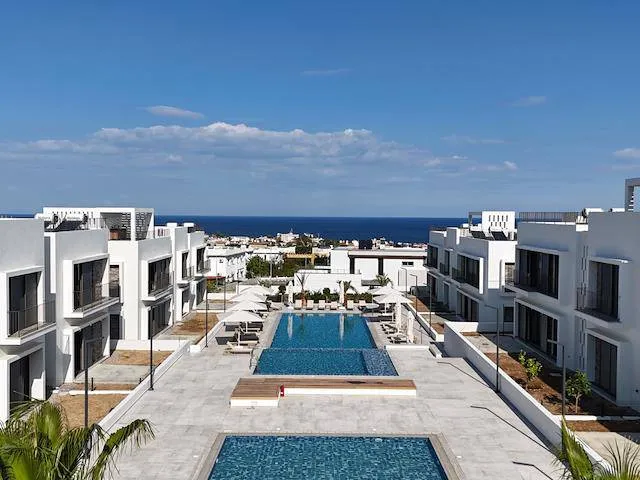
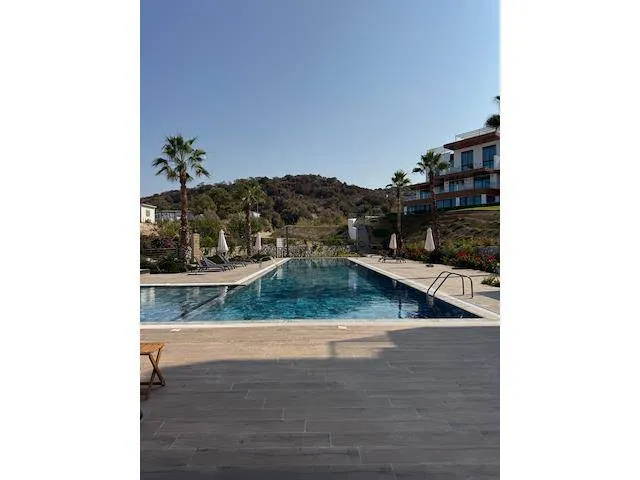
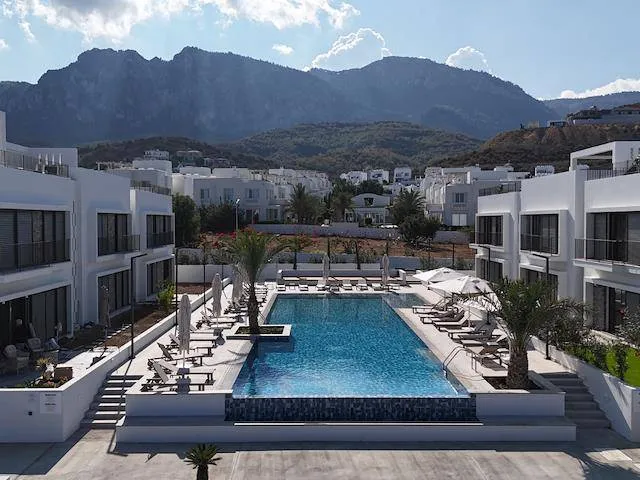
You are standing in a finished complex on a bright morning. The pool is clean, the gardens are new, the sales office is friendly, and the banner at the gate says most units are gone. Yet walking to the show flat you passed four floors of bare balconies: no chairs, no plants, no washing, no curtains. The question that should follow you home is simple. Is this a community that is still filling up, or a project that has stopped moving and learned to look busy?
You cannot answer that from the brochure, and you should not answer it from the sales conversation. You can answer most of it yourself, on foot, by counting things nobody can stage for your visit.
What to count before you believe anyone
Come back without an appointment, ideally in the evening, and walk the site slowly. The table below is the inventory we run for our own listing checks. None of these signals is proof on its own. Together they are hard to fake.
| Signal | What it suggests | What it cannot tell you |
|---|---|---|
| Lit windows at half past eight in the evening | Real residents, not just owners on paper | Holiday lets can glow in July, come in the low season too |
| Names and post in the letterboxes | People who receive their lives here | A few names may be the developer's own staff |
| Curtains, plants and washing on balconies | Units that are furnished and lived in | Furnished show units exist, count floors, not corners |
| Cars parked overnight, not at noon | Residents rather than viewing traffic | Nothing, this one is hard to stage |
| A pool maintenance log with recent dates | Someone is paying for upkeep and someone is checking it | Whether the money behind it is fees or the developer's patience |
| Minutes or notices on the residents' board | A functioning community with meetings and decisions | How contested those meetings are |
| Staffed office at the posted hours | Management that exists outside sales visits | Who employs the staff, ask directly |
| Gardens that have grown into their beds | Time has passed and care has continued | New planting is not a fault, it is just young |
One visit in the evening tells you more than three in daylight. A February visit tells you more than an August one. If you cannot travel twice, we walk the site for you at night and report what we counted, because we would rather do that than answer for a listing later.
Sales percentages are a claim. Lit windows on a Tuesday night in February are a fact.
The money question empty units raise
Every shared cost in a complex is divided among the people who pay it. In a half-sold site, the immediate question is who carries the share of the units that have no owner yet. The healthy answer, and the one you want in writing before you reserve, is that the developer pays service fees for every unsold unit on the same basis as an owner. Ask to see the service budget, ask what the fee actually funds, and ask what happens to the budget if sales stay where they are for two more years.
Listen carefully to how amenities are described. A gym that opens when the second phase completes is a plan, not a facility. If the pool, the gym or the security gate matters to your decision, the opening condition belongs in your contract with a date attached, not in a conversation by the show flat door.
Who runs the place meanwhile
Until enough units sell, the developer usually controls site management, either directly or through a company it appoints. That is not sinister, somebody has to run the place, but it shapes daily life. Rules are enforced softly while units are being sold, because a strict site is harder to market. Fees are sometimes kept artificially gentle for the same reason, which feels pleasant until the real cost arrives with the handover of management.
So ask three questions and note the answers. At what point does control of management pass to the owners. What happens to the fee level when it does. And who owns the service infrastructure, the pool plant, the water tanks, the generator, because equipment that belongs to the developer rather than the site has a way of becoming a negotiation later.
The resale shadow, and the other side of it
Here is the part sales conversations skip. As long as the developer holds unsold stock, anyone reselling inside the complex competes with the developer's own price list, payment plans and fresh warranty. That shadow fades as the site fills, but if you may need to sell within a few years, it belongs in your thinking now.
The honest other side: a half-sold complex is also where the genuine bargains live. Developers holding stock negotiate, on price, on furniture packages, on payment schedules. You have a choice of the best remaining units rather than the leftovers of a sold-out site. And a complex that fills over the next three years around your early purchase tends to feel better every season, not worse. The question is never whether half sold is good or bad. It is whether this specific site is filling or stalled, which is exactly what your evening walk answered.
How to buy well here
If the counting went well and the answers held up, buying in a half-sold complex can be the best value on the coast. Put four things in writing before you commit:
- The developer pays full service fees on all unsold units, stated in the contract or the management agreement
- Every promised amenity carries a completion condition with a date, not a phase number
- The management handover point is defined, together with how the budget is set afterwards
- Any furniture package, rental promise or discount is written into the same contract you sign, not a side letter
Then ask us what we counted at the sites we list. We visit every complex before a listing goes live, and occupancy is one of the things we will tell you straight, because it is the one fact about a half-sold site that no brochure will volunteer.