

Why so much here is sold before it exists
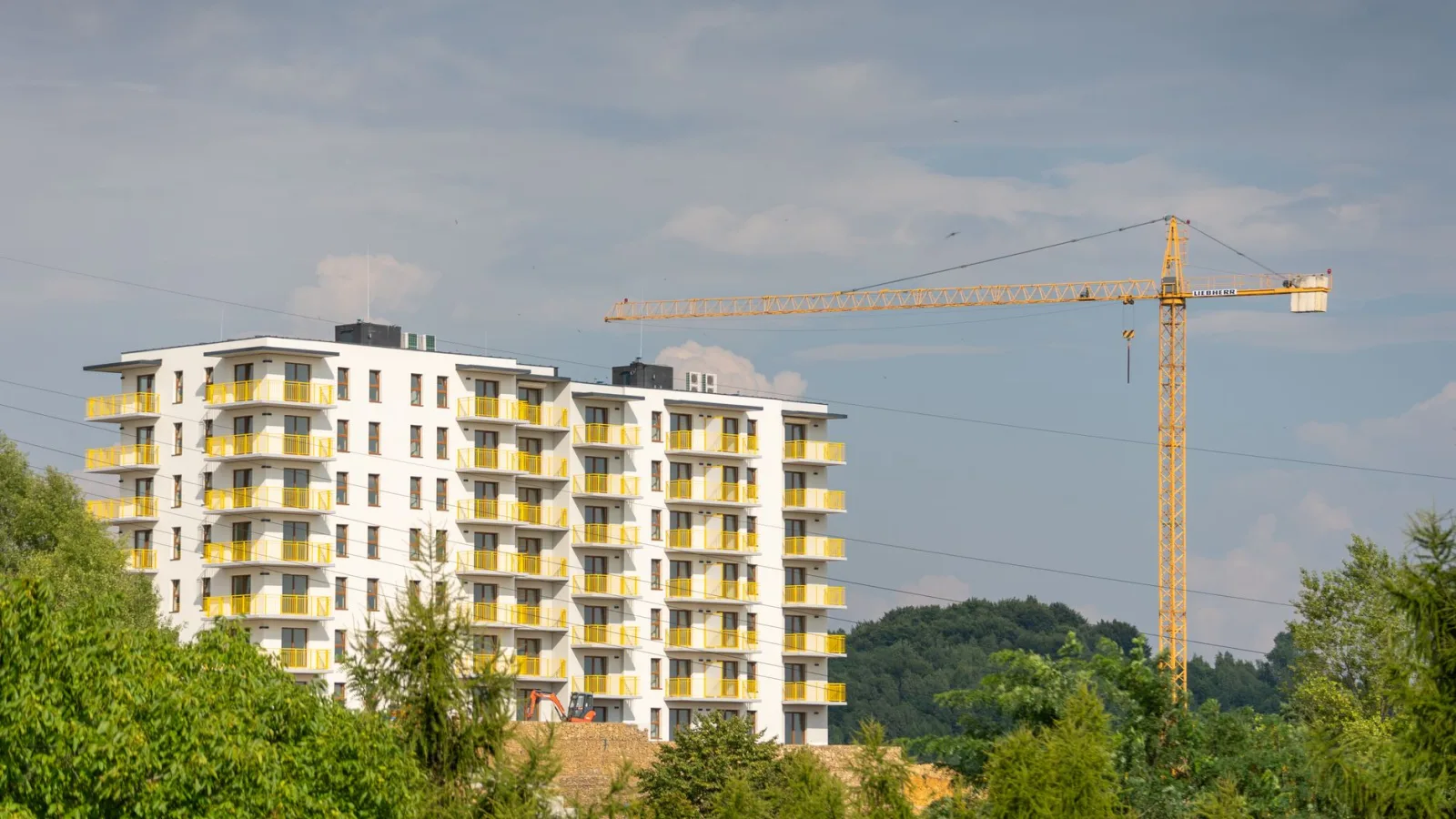
Walk any stretch of the north or east coast and you will see the same thing: cranes, show units and boards advertising completion dates two years out. This is not a quirk of the local market. Development here is largely funded by buyer instalments rather than by bank lending, so the buyer becomes part of the finance.
That arrangement is why prices at launch are lower than on completion, and it is also why the contract matters more than it would elsewhere. You are not just buying a home. For a period of eighteen months or so, you are extending credit to a construction company, in a market where your main security is the document you signed.
Done properly, off plan is a perfectly sound way to buy here, and thousands of people have done it without drama. The difference between the good outcome and the bad one is almost entirely contractual.
What a sensible payment schedule looks like
There is no single legally mandated schedule, so what you are offered is a negotiating position rather than a rule. Most developers will discuss it, particularly on a unit that has been on their list for a while.
| Stage | Typical share | What to insist on |
|---|---|---|
| Reservation | A small fixed sum | Written refund terms and a stated period before contract |
| Contract signing | Around a quarter to a third | Paid only after your lawyer completes the title search |
| Construction stages | The bulk, split into instalments | Each instalment tied to a verified build stage, not a calendar date |
| Completion and keys | A meaningful final slice | Held back until snagging is agreed, not paid on promise of handover |
| Title transfer | Fees and taxes as they fall due | Confirmed amounts in writing before you commit |
The single most important line in that table is the third. If instalments fall due on fixed dates regardless of progress, the developer is paid for time. If they fall due when the roof is on and signed off, the developer is paid for building. Those two contracts behave completely differently when a project slows down.
A payment schedule tied to dates rewards a developer for waiting. A schedule tied to construction stages rewards them for building.
The final payment is your only real leverage
Buyers routinely give this away and then wonder why the snagging list takes nine months. Once the developer holds every penny, your defective shower door is competing for attention with the buyers who have not yet paid.
Keep a genuine amount back until an agreed inspection is signed off, and write into the contract what that inspection covers. Not a symbolic sum. Enough that clearing your list is the cheaper option for them.
Delays: normal, and what to do about them
Some slippage is standard here. Weather, materials arriving by sea and utility connections all move slowly, and a project a few months behind its brochure date is not a scandal. A project a year behind with no explanation and no consequence is a different matter.
Your contract should distinguish between the two. Look for a defined handover date rather than a season or a quarter. Look for a grace period, stated in months, that both sides accept as normal. Look for what happens after that grace period expires, expressed as money: a daily or monthly sum, or a right to walk away with your funds returned.
A developer confident in their programme will discuss this. One who resists any consequence for delay is telling you how they expect the project to go, and it is worth listening.
Clauses worth arguing over
- Registration of the contract. Your lawyer should register it at the Land Registry within the statutory period. An unregistered contract is a much weaker position if anything goes wrong.
- Specification annexe. A written schedule of materials, brands and finishes, attached to the contract. Without it, granite becomes a granite look, and you have no argument.
- Substitution wording. Developers often reserve the right to substitute materials of equivalent quality. Fine, provided equivalent is defined and you get notice.
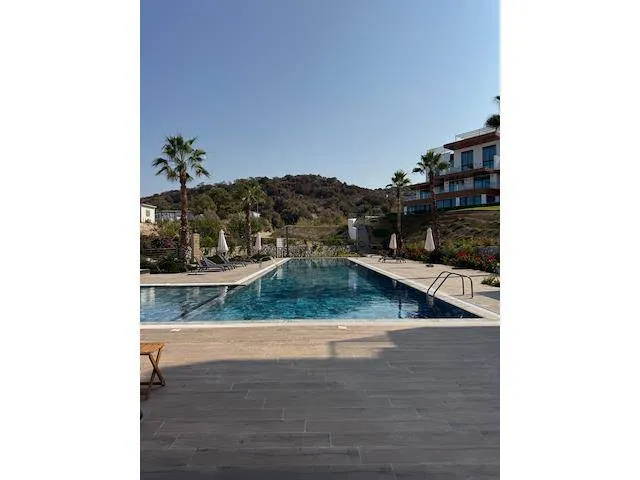
- Common areas and completion. Establish whether the pool, landscaping and parking must be finished for handover to count. Otherwise you can be asked to complete on a home surrounded by a building site.
- Assignment. Whether you can sell your contract before completion, and on what terms. Circumstances change over two years.
- What is included in the price. Kitchen, wardrobes, air conditioning, white goods. In this market these are often extras, and the difference is substantial.
Checking the developer, not just the drawings
Renders are commissioned; finished buildings are evidence. Ask which projects the company has completed, then go and look at one that is three or four years old. New build looks good everywhere. Four year old build tells you about the concrete, the drainage and whether the management company is doing its job.
Then find a resident. Owners in a finished scheme by the same developer will tell you in five minutes what a sales office will not: whether handover slipped, how snagging was handled, whether the promised gym exists.
Ask directly whether the land carries a mortgage or other charge, and have your lawyer verify the answer rather than trusting it. And be wary of a developer whose entire portfolio is currently under construction with nothing yet delivered.
Is off plan right for you
It suits you if your move is a year or more away, if the staged payments fit your finances better than one lump sum, and if you would rather have a larger or better positioned home than an immediate one.
It suits you less if you need keys within months, if a delay would leave you without somewhere to live, or if the uncertainty would sit badly with you for two years. There is no shame in buying a resale, seeing exactly what you are getting and moving in. Plenty of our buyers do precisely that.
If you are weighing an off plan unit right now, send us the payment schedule and the specification before you sign. We will tell you which parts are normal for this market and which parts we would push back on, whether or not the property is one of ours.