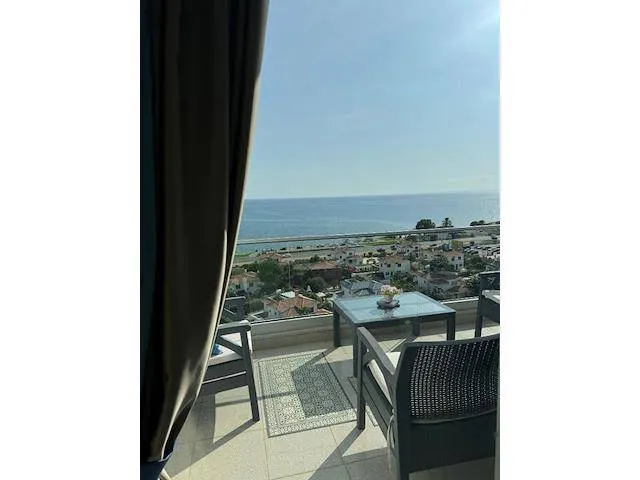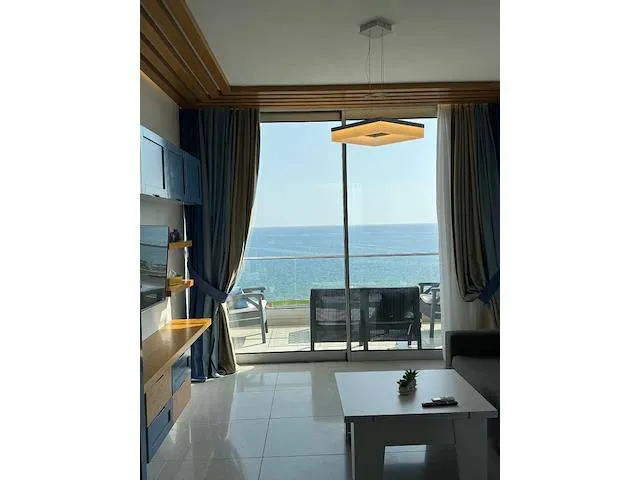
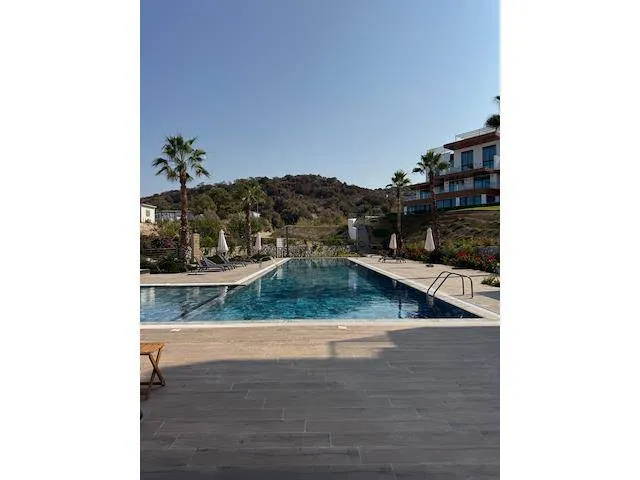


Give your next holiday a second job
Nobody falls for a place because of its infrastructure report. You fell for a warm evening, a pool that held the last light, a waiter who knew your order by day three. That memory is real and worth keeping. It is just not evidence about February, or about a tenant, or about the morning you need a doctor rather than a sunbed.
So do not cancel the dream, and do not book a solemn inspection trip either. Book the holiday you were going to book anyway, then give it a quiet second job. Below are seven small missions, none longer than a morning, each with a pass signal and a fail signal. Run them without telling anyone you are on duty. And run them fairly: a spot that fails a year-round test can still pass a holiday-home test with distinction. The job of this article is fit, not fear.
Mission one: the Tuesday morning test
One weekday, leave the resort at eight in the morning and run a genuinely boring errand. Buy plasters at a pharmacy, ask one question in a bank, do a small shop in a supermarket that is not the resort minimarket. Time the whole loop from your door and back. You are not measuring charm. You are measuring whether ordinary life happens within reach, because if you ever live here, most mornings will look exactly like this one.
Pass signal: you are back before a late breakfast, you queued behind residents rather than guests, and the errand felt unremarkable. Fail signal: everything in walking distance exists for holidaymakers, and the real pharmacy, bank and supermarket each need a drive you would resent making twice a week.
A place that is perfect for two weeks in July has made you no promises about February.
Mission two: the out-of-season question
Ask three people who live there all year, perhaps the pharmacist from mission one, a taxi driver, the person at the supermarket till, one plain question: what is it like here in January? Then stop talking. People rarely lie about their own winter, but they reveal it sideways, in the list of what closes. Other guides will tell you to research an area online. We will tell you something more useful: the sentence to listen for is where they themselves go in winter, because if the people who serve the resort spend January somewhere else, the resort has just told you its winter population.
Pass signal: they describe a quieter routine that still works, a weekly market, a couple of restaurants that never close, neighbours they see more of in winter, not less. Fail signal: the answer is mostly a list of closures, or an honest smile and the name of the town their evenings move to.
Mission three: the noise patrol
Walk your dream street twice, once at seven in the morning and once at eleven at night. The early walk exposes construction and deliveries; the late walk exposes the bar you never noticed at lunchtime and the road that turns out to be a through route. On a growing coastline, cranes are not a scandal, they are how the next phase arrives, but you deserve to know whether one starts work at seven beside your future bedroom.
Pass signal: the morning sounds are birds, bread deliveries and at most one site working at a civil distance, and by midnight the street belongs to the cats. Fail signal: at seven you count works on three sides, and at eleven you can hum along to the beach club from the balcony you were about to buy.
Mission four: the rental reality check
Ask the site manager, a resident owner or the agent walking you around for a photo of the building taken on a winter evening. Most people have one on their phone without knowing it, from some February visit. Count the lit windows. We will not turn that count into an occupancy figure and neither should you, but light is honest: it shows whether the complex has a life between November and March, or a professionally maintained sleep.
Pass signal: lit windows scattered across floors and stairwells, which suggests neighbours, a working site office and someone to water the plants. Fail signal: a nearly dark facade. That is not a verdict against the building. It tells you it is a seasonal product, ideal if a quiet, managed winter is exactly what you want, wrong if you pictured borrowing a ladder from a neighbour in January.
Mission five: the distance audit
Give up one morning to drive three routes in real traffic and time them without rounding down: to the nearest hospital, to the airport you would actually use, Ercan for most routines and Larnaca for some connections, and to the nearest town that lives all year. Holiday distances are measured in scenery. Resident distances are measured in fatigue, night driving and how a journey feels when someone in the car is unwell.
Pass signal: each of the three timings is one you could accept tired, at night, in winter rain. Fail signal: you hear yourself saying you would simply plan around it. Nobody plans around a hospital.
Mission six: the resale walk
On an aimless afternoon, walk the streets around your favourite spot and collect what is for sale: boards, window notices, listings the local agents show you. Ask, casually, how long things have been on the market and why the owners are selling. The answers are usually mundane, family, money, a plan that changed, and mundane is good. What you are really checking is whether property here moves, and whether you would one day be selling something scarce or something identical to forty neighbours.
Pass signal: normal churn, varied reasons, and evidence that things do actually sell. Fail signal: rows of near-identical units competing with each other, and boards faded by more than one summer of sun. Even that is not proof of a bad area. It may simply mean the smart buy here is the unit type everyone else did not buy.
Mission seven: the honest debrief
On the last evening, order the same drink as on the first and write one of three sentences in your notes: buy here; buy near here; or love it as a holiday place and buy elsewhere. All three are wins, because all three beat the fourth outcome, which is buying on the memory of July and meeting February as a stranger. Long Beach in Iskele is the clearest example we know. For a holiday-home buyer who wants a managed complex, summer energy and a lock-up-and-leave routine, it passes these missions comfortably, because they measure fit and that is the life it is built for. A year-round mover running the same missions might land a few kilometres away, or in a different area entirely, and both buyers would be right.
Then bring the notes to us. Tell our team which missions your favourite spot passed and which it failed, and we will show you listings in the version of the area that fits your February as well as your July. That conversation takes half an hour and tends to save people the most expensive kind of surprise, the kind that arrives out of season.