

Three different jobs sold under one name
Ask three companies for a management quote and you will get three documents describing different services. Before you compare prices, separate what you are actually buying.
Caretaking is the minimum: someone holds keys, visits periodically, runs the taps, checks for leaks and damp, waters what needs watering and tells you when something breaks. It is what an absent owner needs whether or not they ever let the property.
Letting management adds the commercial side: listings, pricing, bookings, guest communication, check in, changeover cleaning and laundry. This is a service business with a marketing function attached, and quality varies enormously.
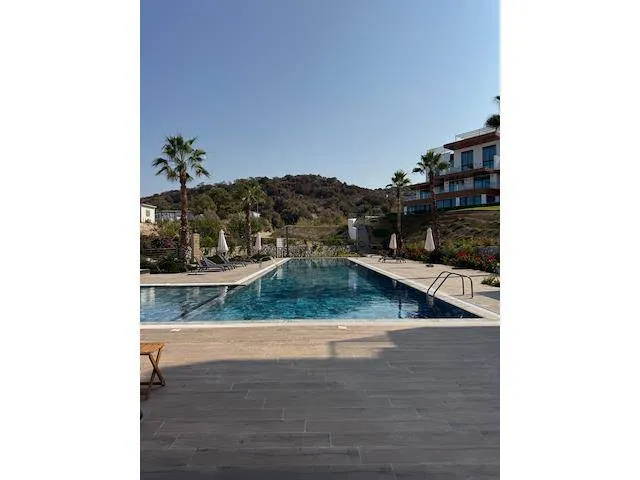
Site or complex management is different again and usually not optional. It is the service charge you pay to the company running the pool, gardens, lifts, lighting and security for the whole development, and it exists whether you use your home or not.
Most owners need the first, many want the second, and nearly everyone in a complex pays the third.
What it actually costs
Fee structures are fairly consistent even though the numbers move. Confirm current figures before you commit, and treat any percentage as negotiable on a good property.
| Service | Usual model | What to check |
|---|---|---|
| Complex service charge | Fixed monthly or annual sum per unit | Whether it rises with occupancy, and what happens to unpaid neighbours' shares |
| Caretaking | Modest monthly retainer | Number of visits, whether a written report is included |
| Letting management | Percentage of rental income | Whether the percentage is of gross or net, and what it excludes |
| Changeover cleaning and laundry | Per changeover, billed to you or the guest | Who pays, and whether linen replacement is extra |
| Maintenance and repairs | Cost plus a handling margin | The threshold above which they must ask you first |
| Utilities and bill handling | Small admin fee or bundled | Whether bills are paid on time when you are not there to notice |
The line that catches people is the second column of the letting row. A percentage of gross income and a percentage of net income are very different numbers once cleaning, platform commission and consumables are deducted. Ask for a worked example on a realistic month rather than a headline rate.
An empty Mediterranean home does not stay still. It gathers dust, salt, pool chemistry problems and a slow drip under the sink that nobody hears for four months.
Why an empty home needs attention here
European owners underestimate this consistently. A home left closed for four months in this climate is not simply unused, it deteriorates in specific and predictable ways.
Drain traps dry out and let smells back into the property. Pools go green quickly without chemistry and filtration, and recovering one costs far more than maintaining it. Salt air corrodes exterior fittings, hinges, railings and air conditioning units, particularly within sight of the sea. Sun cracks terrace furniture and bleaches anything behind unshaded glass. Dust arrives from everywhere and settles into everything.
And then there is the small leak. A dripping connector under a sink is a ten minute repair when someone notices in week one, and a serious insurance conversation when nobody enters the property until October.
Letting: the honest version
Holiday letting works here, particularly on the east coast and in the resort complexes, and particularly in the summer months. It is also more seasonal, more competitive and more effort than the brochures suggest.
Be realistic about the shape of the year. Peak weeks let well. Shoulder season is patchy and price sensitive. Winter is quiet in the resort areas and steadier around Kyrenia, where long term rentals to residents and students behave differently from holiday lets.
Decide early which market you want, because it changes the property and the furniture. Short holiday lets earn more per night, need more management, and put more wear on the home. Long term letting earns less headline income, costs far less to run, and means somebody is in the building noticing problems. For an owner who visits twice a year and does not want a business, long term is very often the better answer, even though it looks less impressive on a spreadsheet.
Whatever anyone tells you about occupancy, treat projected returns as projections. Ask what a specific comparable unit in the same complex actually achieved last year, and ask for the net figure after all costs.
Questions that sort the good from the expensive
- How often will someone physically enter my property, and do I get a written report with photographs?
- Who holds the keys, how many sets exist, and what is the procedure if a set goes missing?
- What is the spending limit before you have to ask me, and how are repairs quoted?
- Do you use in house staff or subcontractors, and who is liable if something is damaged?
- Is your fee taken from gross or net rental income, and can I see a worked example?
- How do you handle a booking dispute, a guest complaint or damage caused by a guest?
- Are you insured, and what does my own policy need to say about periods when the home is empty or let?
- Can I speak to two owners you currently manage for, including one who is not in this complex?
That last question is the useful one. A company happy to hand you two owner contacts without hesitating is telling you something a brochure cannot.
Choosing a property with management in mind
If you know from the start that the home will be empty for part of the year, it should shape what you buy, not just who you hire afterwards.
Managed complexes are simpler: the pool, gardens and security are somebody else's problem, and there is usually an on site presence noticing things. A standalone villa with a private pool and a garden gives you space and privacy, and gives your management company considerably more to do at a considerably higher monthly cost. Neither is wrong, but the villa dream and the low maintenance dream rarely fit in the same property.
Tell us how you actually intend to use the home, honestly, including how many weeks a year you will realistically be here. We will point you at the properties that suit that pattern, and tell you which complexes have management that owners speak well of. That is a much better conversation than discovering the running costs after you own it.