
Why the arithmetic here is different
German buyers arrive with an instinct built at home: renovation is expensive because labour is expensive, and materials are the cheap part. Here the equation tilts the other way. Skilled trades are considerably more affordable than in Germany, which is why a project that would be unthinkable at home becomes possible on an ordinary budget.
Materials are the variable. Basic building materials are reasonable. Anything imported, anything specified, anything with a brand your architect insisted on can be surprisingly expensive and surprisingly slow to arrive. The kitchen you chose from a European catalogue is not a kitchen you get in three weeks.
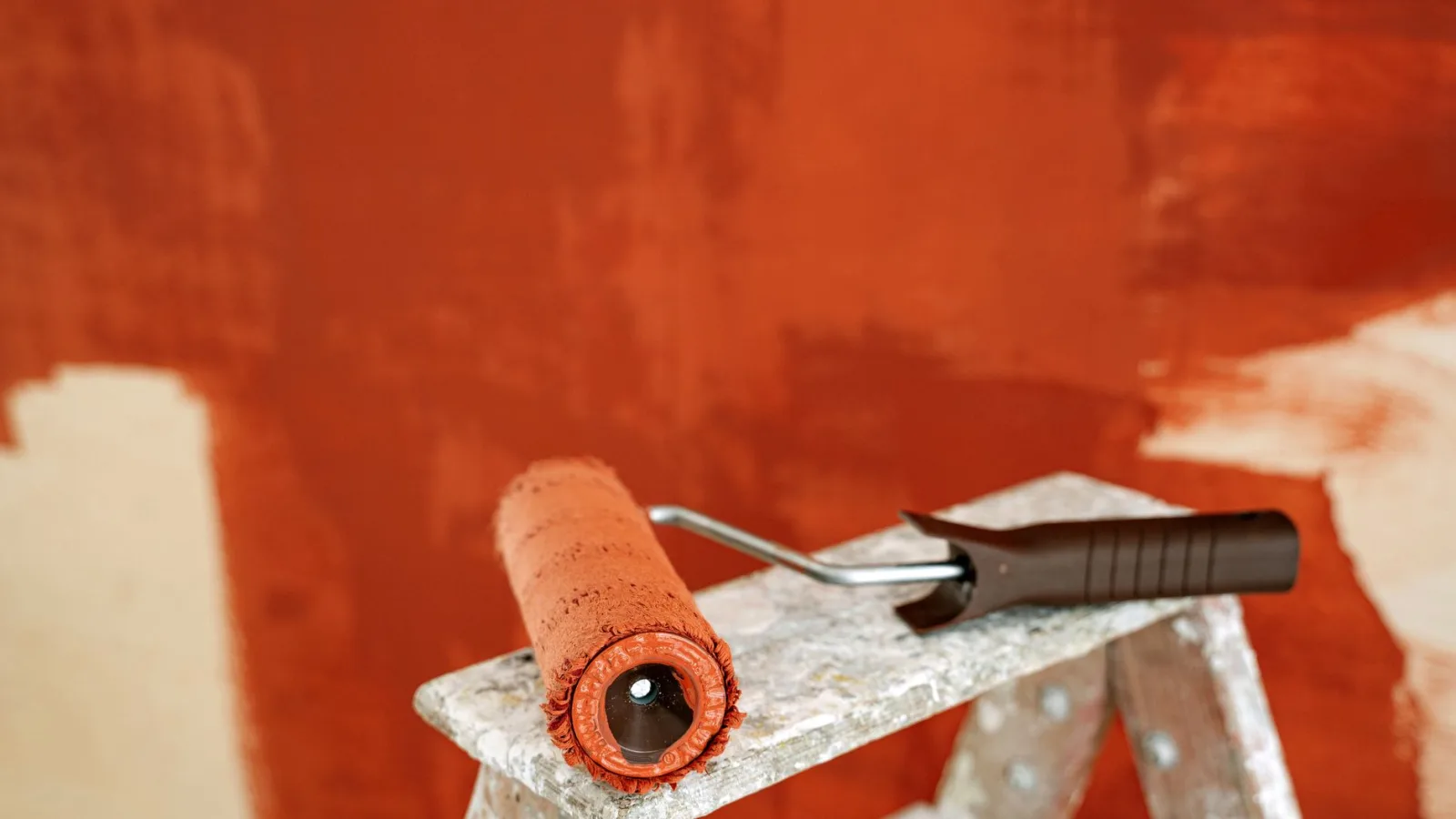
The result is a distinctive pattern. Work that is mostly labour, such as replastering, tiling, painting and general building, is where your money goes furthest. Work that is mostly product, such as kitchens, glazing, sanitary ware and technical equipment, is where budgets quietly double.
Cheap, fair and expensive
| Job | How it tends to go |
|---|---|
| Painting, plastering, tiling | Excellent value. Skilled, quick and the biggest visual change per euro spent |
| Bathrooms | Reasonable if you buy locally available fittings, expensive the moment you specify imports |
| Kitchens | Local joinery can be very good value. Imported units are the classic budget breaker |
| Windows and glazing | Costly, and usually the single best thing you can do to a cold, noisy, old property |
| Electrics and plumbing | Affordable labour, but old properties hide surprises. Budget a contingency and expect to use it |
| Roof and damp | Never guess. Get it inspected before you buy, because this is where a cheap house becomes an expensive one |
| Pool installation | Achievable and genuinely popular, but it is a project of its own with permissions and running costs |
| Structural changes | Slow, permission dependent and the thing most likely to derail a timeline |
| Air conditioning | Straightforward and worth doing properly, because you will use it half the year |
Give yourself a contingency of a meaningful percentage rather than a token one. Older buildings here, particularly village houses, are honest about very little until the first wall comes down.
The renovation that goes wrong is almost never the one that ran over budget. It is the one that could not legally happen at all.
The permission question comes first
This is the section people skip and it is the one that ends projects.
Before you buy anything with renovation in mind, establish what may legally be done to it. Ask your lawyer to confirm what the title permits, whether the existing building matches what was approved, whether previous owners added anything without permission, and whether the structure sits on land where your plans are allowed at all. An unapproved extension built by a previous owner does not simply disappear. It becomes yours, along with whatever the authorities decide to do about it.
Cosmetic work inside is usually uncomplicated. Anything that touches the footprint, the structure, the roofline or the services generally needs approval, and older village properties can carry additional conservation considerations depending on where they sit. Get this checked before the offer, not after. It is the difference between a renovation project and an expensive standing argument.
Finding trades, and managing them
Good trades here are found by recommendation, not by search engine. Ask other foreign owners, ask your agent, ask the site manager of a complex you like the look of, and ask to see finished work in person rather than photographs on a phone.
A few habits make the difference between a pleasant project and a miserable one:
- Get written quotations that itemise labour and materials separately, so you can see where the money actually is
- Agree a payment schedule tied to completed stages, never a large payment up front
- Decide who buys the materials. If the contractor buys, ask to see the invoices
- Be present, or appoint someone who is. Remote renovation from Germany is possible and it costs more, takes longer and produces more surprises
- Write down what you agreed after every conversation and send it in a message. Not because anyone is dishonest, but because memories differ
- Expect summer to slow everything down. August is not a productive building month here
The single best investment on a larger project is someone local who is on your side and visits the site: an architect, a project manager or a management company. It costs a percentage and it saves considerably more than it costs.
Five checks before you make the offer
- Roof and damp. Get them looked at by someone who is not selling you the house. These decide whether the project is a refresh or a rebuild
- Water and electricity supply. Confirm what is connected, what capacity exists and what a new or upgraded connection would cost and take
- Legal status of every existing structure. Including the terrace someone closed in and the room that appeared on the roof
- Access for works. A narrow village lane that a delivery lorry cannot enter changes the cost of every material on the site
- Your own honest appetite. A renovation abroad, in a second language, is a project and a hobby. Some people love it. Some discover in month four that they wanted a finished home
That last point is not a joke. We have watched buyers thrive on a renovation and we have watched buyers spend a year regretting one, and the difference was almost never money. It was whether they actually enjoyed the process.
When it is worth it, and when to buy something finished
Renovation makes sense when you want something the new build market simply does not produce: a village house with thick walls and a courtyard, a large old apartment in a position that could not be built today, character that no developer is currently making. It also makes sense when the price gap between tired and turnkey is wider than the honest cost of the work, which happens more often here than in Germany because so many buyers want move in ready and will pay for it.
It stops making sense when you are buying a problem you did not price, when the permissions are uncertain, or when you will be four thousand kilometres away for most of the works.
We look at both sides with clients regularly. Send us the property you are considering and we will tell you honestly what we think the work involves, what we would check before you offer, and what an equivalent finished property in the same area is currently asking. Sometimes that conversation confirms the renovation. Sometimes it saves a very long year.