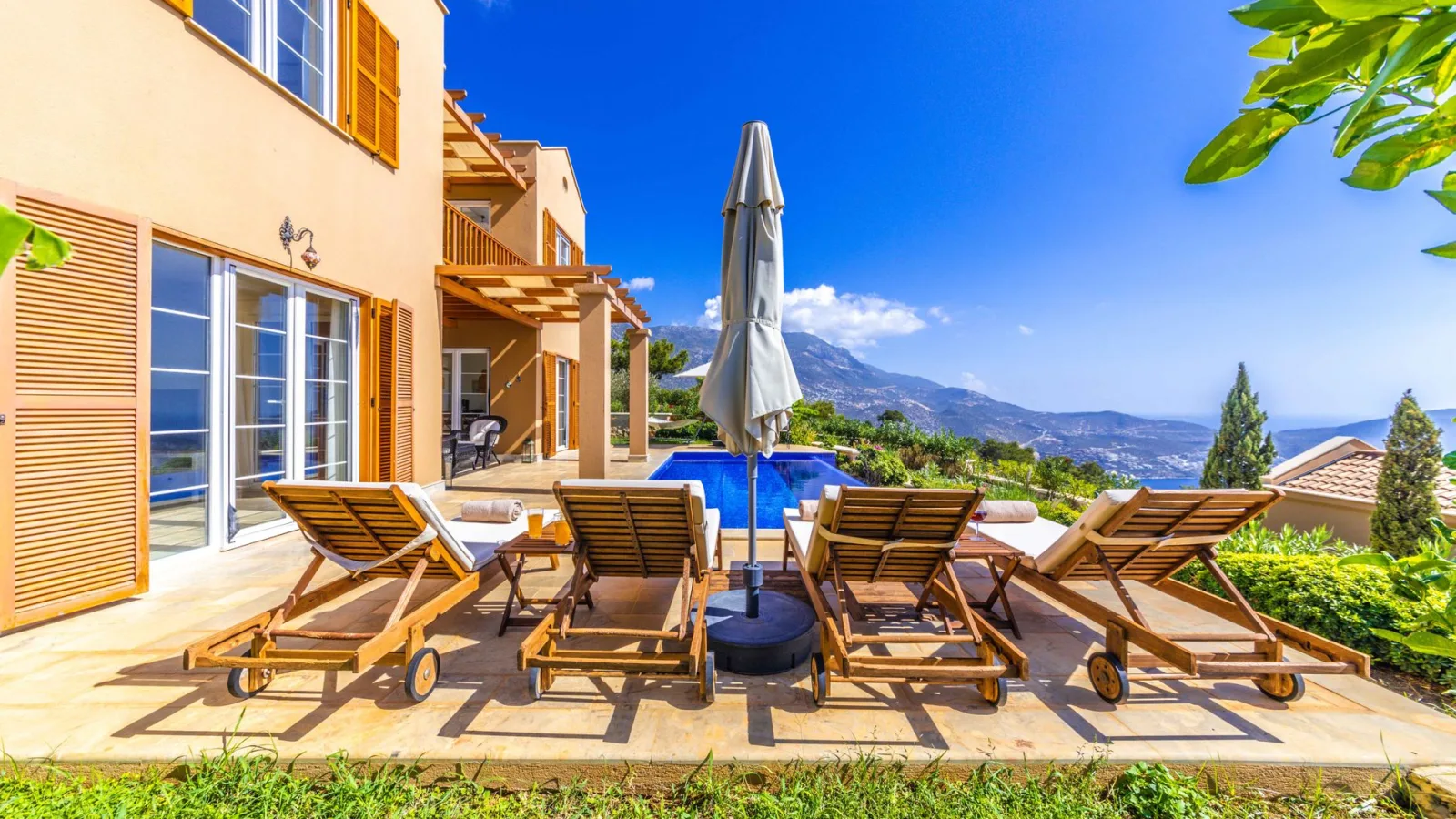
The purchase price is the smaller decision
Buyers spend months comparing two properties at similar prices and almost no time comparing what those two properties will cost to keep. Over ten years the running cost gap between a two bedroom apartment in a managed complex and a detached villa with a private pool can comfortably exceed the price difference that took so long to negotiate.
None of this is an argument against villas. Plenty of owners look at the numbers, shrug and buy the villa anyway, because a garden and privacy are worth paying for and they know it. The point is to make that choice knowingly, with the annual figure in front of you, rather than to discover it in your second summer.
Line by line
The ranges below are planning brackets, not quotations. Actual figures depend on the size of the property, the standard of the complex, how much time you spend here and how you use the building. Treat the shape of the table as the useful part, and get the specific numbers for any property you are seriously considering.
| Cost | Apartment in a complex | Detached villa |
|---|---|---|
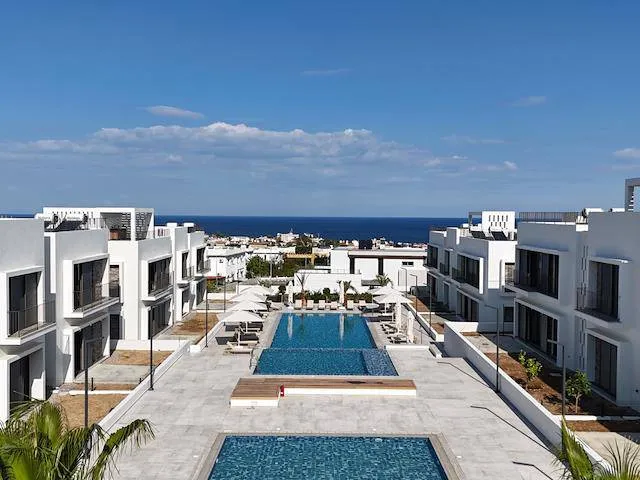
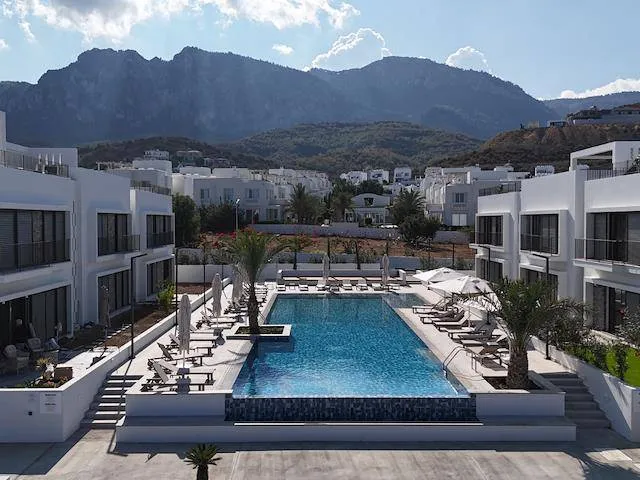
| Communal fee | Regular and predictable. Covers pool, gardens, lighting, security and site cleaning | Often none, or a small road and street lighting contribution on a private estate |
| Electricity | Lower. Shared walls, smaller volume, less to cool and heat | Higher, often much higher. More space, more exposure, more glass |
| Water | Modest and often shared | Higher, and the garden decides how much higher |
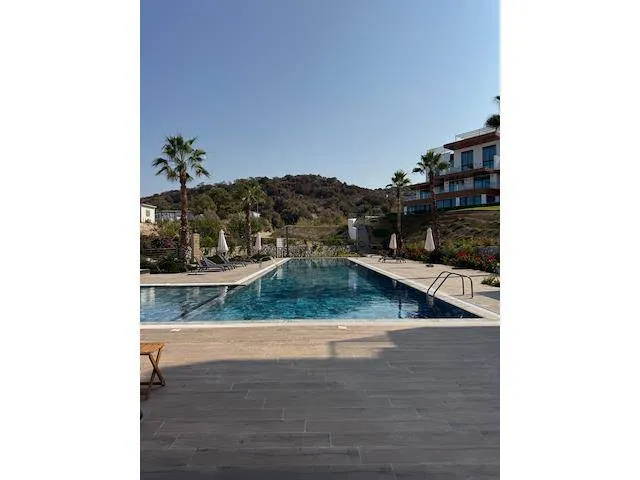
| Pool | Included in the communal fee. Someone else's problem | Yours. Chemicals, pump electricity, servicing, and repairs when the pump fails |
| Garden | Included, if there is one | A recurring cost or a recurring Saturday, and in summer it needs water |
| Building maintenance | Shared across owners through the fee | All yours: roof, render, paintwork, gates, boundary walls |
| Insurance | Lower, and the structure may be partly covered by the site | Higher, covering the whole structure and the outbuildings |
| Security when empty | Effectively included. Neighbours and a gate | Needs a plan: alarm, camera, key holder or a caretaker |
| Cost of leaving it empty | Low. Close the door and go | Meaningful. A garden and a pool do not pause for six months |
A villa is not an expensive apartment. It is a different job, with a garden, a pump and a gate that all belong to you now.
The pool question, honestly
A private pool is the single largest swing factor in this comparison, and it is the one buyers underestimate most consistently.
It costs money in four separate ways. Chemicals and treatment through the season. Electricity for the pump, which runs for hours every day in summer and is a genuine line on the bill. Regular servicing, whether you pay someone or spend the time yourself. And equipment, because pumps, filters and heaters fail eventually and they do not fail cheaply.
Ask any villa owner and they will tell you the same thing: they love it, and it is more work than they expected. Both halves of that sentence are true. If you are here full time with children, a private pool may be the best money you spend. If you visit for eight weeks a year, a well maintained communal pool that someone else cleans in February is a much better deal than a private one you have to commission every spring.
What a communal fee really buys
Owners often see the communal fee as a nuisance. Look at it as an outsourcing contract instead, because that is what it is. It buys pool maintenance, garden work, lighting, cleaning, often security and always the fact that someone is on site when you are not.
What matters is not whether the fee is low but whether it is honest. A suspiciously cheap fee usually means one of three things: the site is subsidised by a developer who will hand it over eventually, work is being deferred, or a shortfall is waiting to arrive as a special assessment. Ask for the last two years of accounts, ask what the fee was three years ago, and walk around looking at the things a fee is supposed to cover. Faded paint, tired pool tiles, dead planting and broken lights say more than any budget document.
Ask also what happens if neighbours do not pay, because in a small complex a few non payers change everyone else's reality quickly.
Match the shape to your year
The cleanest way to decide is to stop comparing property types and start describing your calendar honestly.
Under eight weeks a year here. Buy the apartment. Lock and leave suits a managed complex, communal facilities are maintained without you, and your absence costs you almost nothing. A villa in this pattern means paying to maintain an empty garden.
Several months, or seasonal living. Either works, and this is where the decision becomes genuinely personal. A ground floor apartment with a decent terrace often gets you most of the villa feeling for a fraction of the villa's running cost.
Full time, family, animals, working from home. The villa case becomes strong. Space, privacy, a garden that gets used every day and a pool you actually swim in rather than admire. The running cost is real and it buys something real.
Letting it out when you are away. Run both sets of numbers with management fees included before choosing, because the villa earns more per week and costs more per week to run and to prepare between guests.
If you tell us how many weeks a year you expect to be here and whether the property will be let, we will put the annual running cost next to the asking price on anything we send you. It is a short conversation that changes what people buy more often than any feature list does.