
The phrase does a lot of heavy lifting
Sea view is not a defined term. It appears on listings for homes with an uninterrupted horizon from every room, and on listings where you can see water from one corner of the terrace if you stand up and lean slightly.
Both are technically honest. Only one of them is worth a premium. Since the difference between them can run to tens of thousands of euros on otherwise identical apartments, it is worth learning to tell them apart from the photographs, before you spend a day driving to the wrong ones.
Five kinds of sea view, priced very differently
- Front line. Nothing between you and the water but your own terrace. Commands the highest premium, holds value best and is the only category where the view is genuinely permanent.
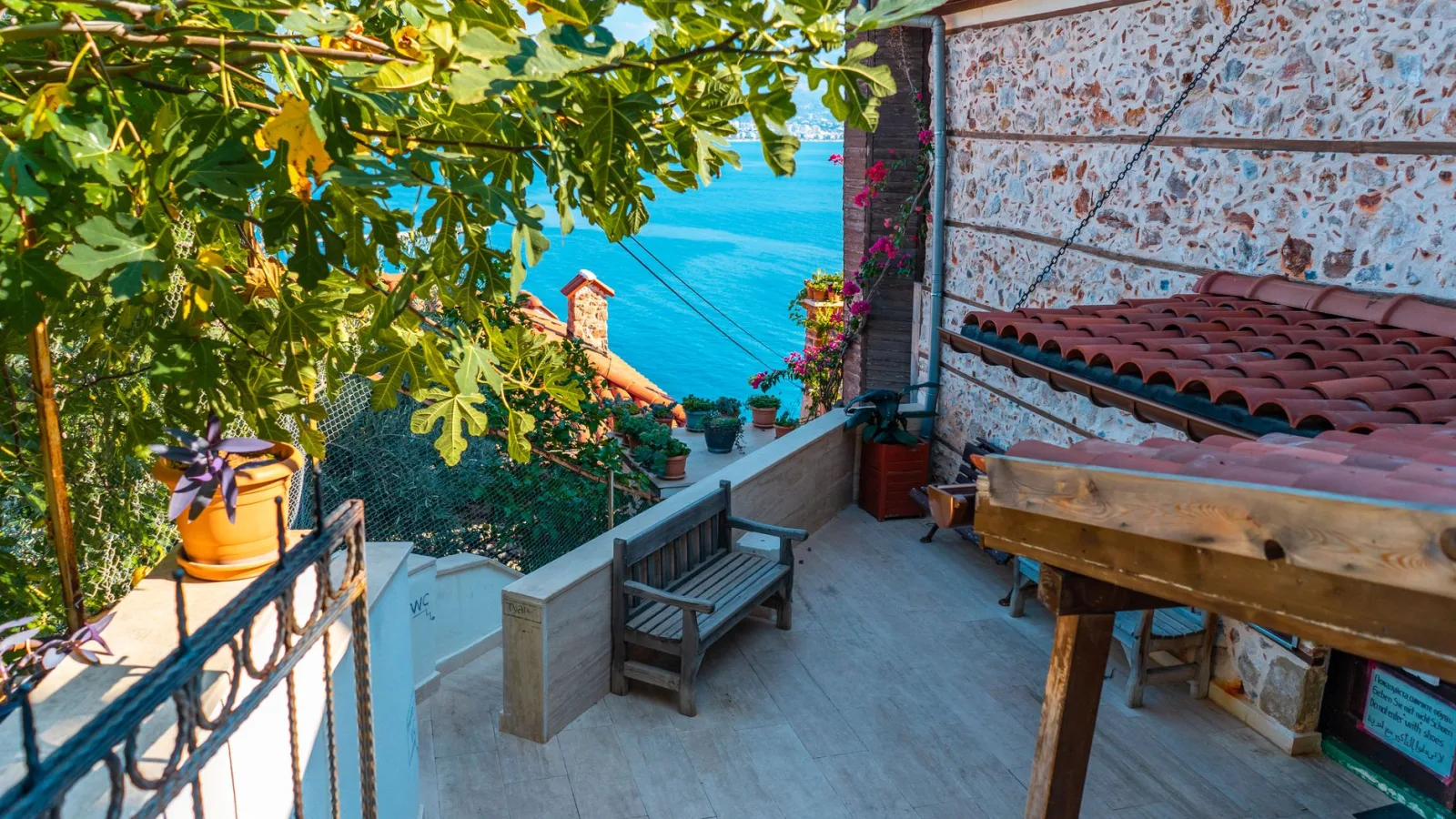
- Elevated panoramic. Set back on a hillside, looking over rooftops to a wide horizon. Often the most beautiful of the lot, usually cheaper than front line, and dependent on what gets built below.
- Partial or side view. Visible from part of the home, typically the terrace or one bedroom. A modest and reasonable premium.
- Glimpse. A slice of blue between two buildings. Pleasant. Should cost almost nothing extra, and frequently does not.
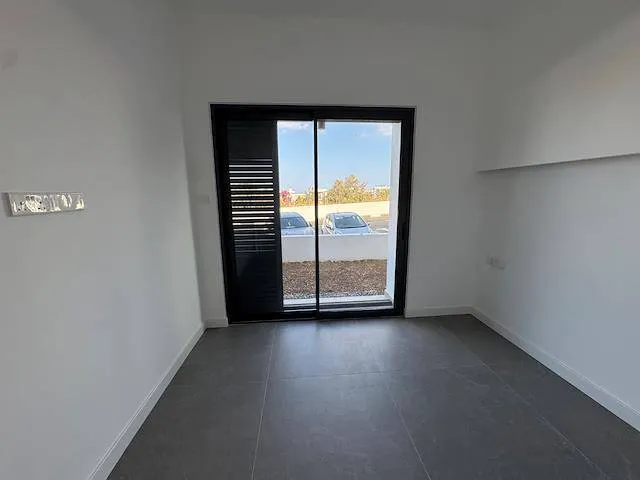
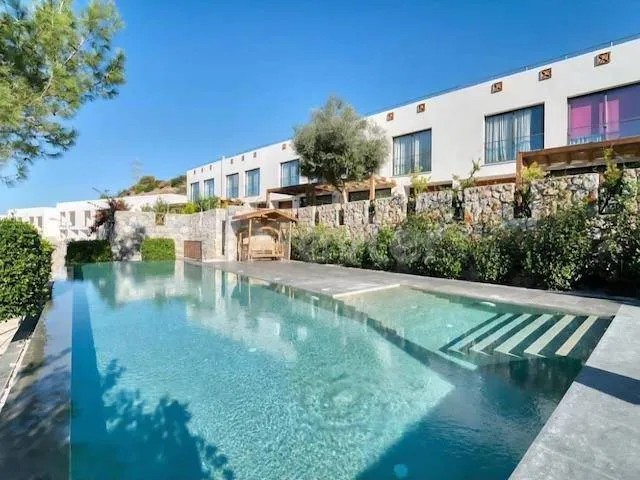
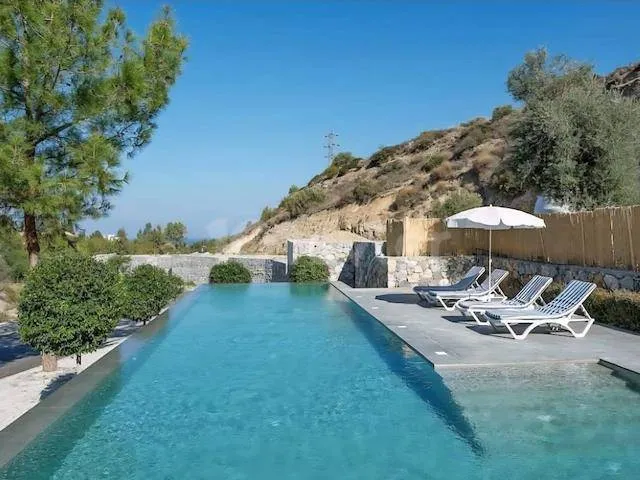
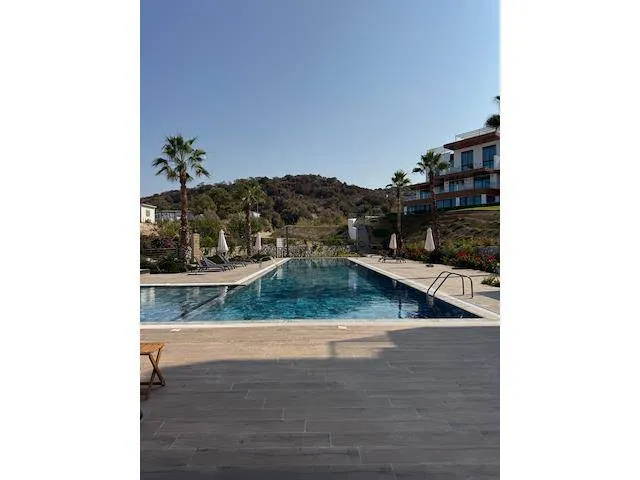
- Sea view from the complex. The pool deck has the view; your apartment faces the car park. Read these listings carefully, because the photographs are usually taken from the pool deck.
The question is never whether you can see the sea. It is whether you will still see it in three years.
What the premium actually buys
Paying more for a real sea view is not sentimental, provided you know what you are buying.
You are buying resale demand. Sea view properties sell faster and to a wider pool of buyers, including buyers from outside the region who are shopping by photograph. In a slower market that difference matters more than the price gap did when you bought.
You are buying rental performance, if you intend to let. A genuine view is the single strongest thing in a holiday listing after the beach distance, and it supports both the nightly rate and the occupancy.
And you are buying the thing you came for. If you are moving to the Mediterranean and can afford the difference, the terrace you will use every evening for twenty years is not the place to economise.
What you are not buying is a guarantee. Views are not registered rights here, and no premium protects you from what happens on the plot in front. Which brings us to the part buyers skip.
What destroys a view, and how to check
Every unhappy sea view story starts the same way: an empty plot between the property and the water that everybody assumed would stay empty.
| Check | How to do it |
|---|---|
| Who owns the land in front | Ask your lawyer to search the plots between you and the sea, not just the one you are buying |
| What can legally be built there | Ask about zoning and permitted height for those plots, in writing |
| Whether anything is already approved | Approved but unbuilt schemes are the most common unpleasant surprise |
| Height of your own floor | A ground floor view over a low wall disappears the moment the neighbour plants a hedge |
| The view from where you will sit | Sit down on the terrace. Many views exist only when standing |
| The angle in winter | Low winter sun on the water is glorious and can also be blinding from certain aspects |
The first two lines are the whole game. A lawyer checking the plots in front costs very little and is the only reliable way to know whether you are buying a view or renting one from a landowner who has not built yet.
Things nobody mentions on the listing
Sea facing homes come with a maintenance profile. Salt air is hard on window frames, hinges, balcony railings, outdoor furniture and air conditioning units, particularly on the front line. Budget for repainting and replacing exterior fittings more often than you would inland.
Glass is the other one. The floor to ceiling glazing that makes the view work also lets in a great deal of heat, so check for shading, overhangs or good blinds. A west facing sea view is spectacular at sunset and punishing at five in the afternoon in July.
And wind. An exposed front line terrace on the north coast can be wonderful in August and unusable on a blustery February evening. If you plan to be here year round, visit the terrace in winter before you decide it is the room you will live in.
How to decide
Be honest about how you will use the home. For a holiday base and a letting property, a real view is often worth stretching for, because it does commercial work all year. For a permanent home where you will spend most of your time inland facing, a partial view and a bigger garden may serve you better.
One practical middle path is worth knowing: an elevated position slightly back from the coast frequently gives a wider panorama than the front line itself, at a lower price, with less salt exposure. Plenty of the best views in Esentepe and above Kyrenia are exactly that.
If a sea view is on your list, tell us which of the five categories you actually want. We will filter to properties that match, and we will tell you what sits on the land in front before you fall for the photographs.